What types of motors are used in DF series Anti-corrosion fan, and how do they affect performance?
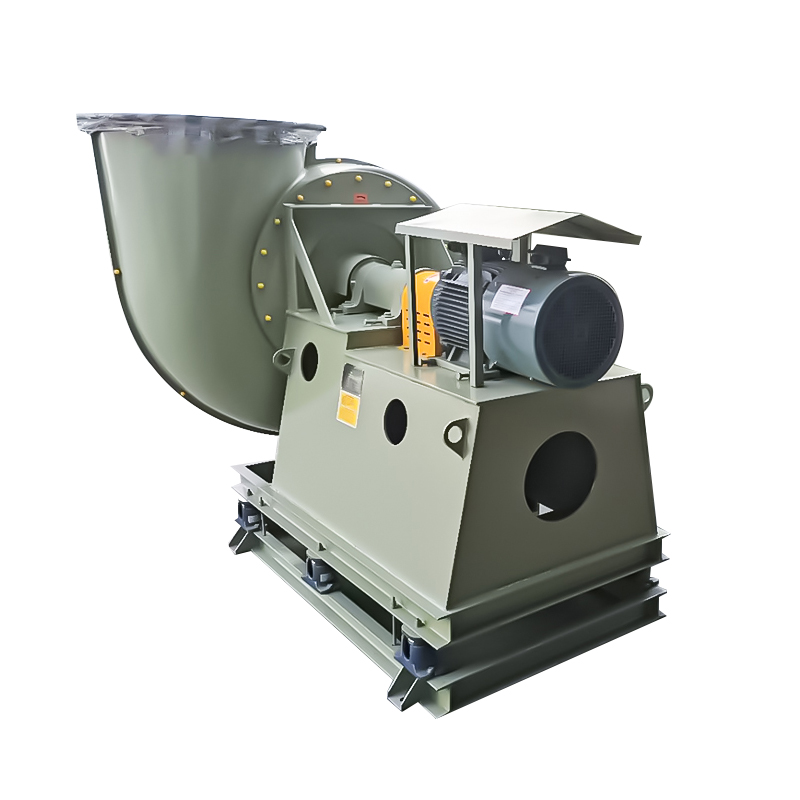
The DF series Anti-corrosion fan is a critical component in industrial ventilation and waste gas treatment systems, providing reliable airflow under harsh chemical environments. Its performance and durability are largely determined by the type of motor installed. Choosing the appropriate motor ensures energy efficiency, long service life, and optimal corrosion resistance, which are essential in industries such as chemical processing, waste gas management, and industrial coatings.
Types of Motors Used in DF Series Anti-corrosion Fan
The DF series Anti-corrosion fan typically utilizes three main types of motors:
AC Induction Motors
AC induction motors are widely employed due to their robustness and relatively simple construction. They operate on alternating current and are suitable for continuous-duty applications.
- Performance characteristics: AC induction motors provide stable torque and maintain consistent airflow, even under fluctuating environmental conditions.
- Corrosion resistance considerations: These motors are often coated with anti-corrosion materials such as epoxy resin or stainless steel housing to withstand acidic or alkaline atmospheres.
- Industrial suitability: AC motors are ideal for long-term, continuous operation in factories, wastewater treatment plants, and chemical production facilities.
DC Brushless Motors
DC brushless motors (BLDC) are increasingly popular for high-efficiency DF series Anti-corrosion fan systems. Unlike traditional brushed DC motors, BLDC motors do not have brushes that wear out, reducing maintenance needs.
- Performance characteristics: BLDC motors provide precise speed control, higher efficiency, and quieter operation. They also have a faster response time to system control adjustments.
- Corrosion resistance considerations: The compact design allows for effective sealing and coating, preventing corrosion from aggressive gases or moisture.
- Industrial suitability: DC brushless motors are suitable for applications requiring variable speed operation, such as laboratory ventilation, VOC gas extraction systems, and chemical processing exhaust systems.
Explosion-proof Motors
In environments with flammable gases or volatile organic compounds, explosion-proof motors are essential for DF series Anti-corrosion fan safety. These motors are designed to prevent sparks and contain any internal ignition sources.
- Performance characteristics: While maintaining high torque and stability, explosion-proof motors comply with stringent safety standards.
- Corrosion resistance considerations: Constructed with anti-corrosion materials and enclosed in reinforced casings, these motors can withstand both chemical exposure and hazardous conditions.
- Industrial suitability: Explosion-proof motors are primarily used in chemical plants, coating facilities, and waste gas treatment systems handling flammable or toxic gases.
How Motor Types Affect DF Series Anti-corrosion Fan Performance
The choice of motor significantly influences the overall performance of DF series Anti-corrosion fan, including airflow efficiency, energy consumption, and operational reliability.
Energy Efficiency and Operational Costs
Different motors exhibit varying energy efficiency. BLDC motors often outperform AC induction motors in energy savings due to lower power consumption and minimal heat generation. In continuous operations, energy-efficient motors reduce long-term operational costs.
Noise and Vibration
Motor selection impacts acoustic performance. AC induction motors tend to generate moderate noise and vibration, which can be mitigated with proper installation. BLDC motors operate with minimal noise, making them suitable for environments requiring low acoustic interference.
Corrosion Resistance
Industrial fans are exposed to corrosive gases, moisture, and chemical splashes. Motors designed for the DF series Anti-corrosion fan are either coated with anti-corrosion paint, enclosed in stainless steel housing, or equipped with seals to prevent ingress of contaminants. The motor type determines how effectively the fan maintains performance under long-term corrosive exposure.
Speed Control and System Flexibility
Motor type affects the fan's adaptability to different ventilation needs. BLDC motors provide precise speed control through electronic drives, allowing fans to adjust airflow according to system demand. In contrast, AC induction motors generally operate at fixed speeds unless paired with variable frequency drives (VFDs).
Motor Material and Structural Considerations
The DF series Anti-corrosion fan requires motors built to withstand chemical and environmental challenges. Materials and structural design are as important as motor type.
Housing Materials
- Stainless steel: Provides excellent resistance to chemical corrosion and mechanical impact.
- Aluminum alloys: Lightweight and corrosion-resistant, suitable for moderate chemical exposure.
- Epoxy-coated steel: Enhances durability and prevents rust formation.
Rotor and Bearing Materials
High-performance motors for DF series Anti-corrosion fan often use corrosion-resistant bearings and rotors. These components reduce friction, minimize wear, and ensure continuous operation under chemically aggressive conditions.
Installation and Maintenance Considerations
Proper installation and maintenance significantly impact motor performance and fan longevity.
- Installation alignment: Accurate alignment reduces vibration, noise, and mechanical stress.
- Lubrication and sealing: Regular lubrication with corrosion-resistant lubricants and sealing of motor components prevent premature wear.
- Inspection schedules: Routine inspection of electrical connections, coatings, and motor windings ensures consistent performance.
Table: Comparison of Motor Types for DF Series Anti-corrosion Fan
| Motor Type |
Efficiency |
Noise Level |
Corrosion Resistance |
Maintenance Needs |
Application Scenarios |
| AC Induction Motor |
Medium |
Medium |
Medium |
Low |
Continuous industrial ventilation |
| DC Brushless Motor |
High |
Low |
High |
Very Low |
Variable-speed applications, labs |
| Explosion-proof Motor |
Medium |
Medium |
Very High |
Medium |
Flammable or hazardous gas handling |
Case Study: Application in VOC Gas Treatment Systems
Hangzhou Lvran Environmental Protection Group Co., Ltd. specializes in waste gas treatment, where DF series Anti-corrosion fan plays a crucial role. Using BLDC or explosion-proof motors, these fans efficiently handle VOCs (volatile organic compounds), maintaining consistent airflow while resisting corrosion from chemical exposure. The motor selection ensures compliance with safety standards while minimizing energy consumption.
The company's experience with DF series Anti-corrosion fan in industrial settings demonstrates the importance of motor choice in enhancing system reliability, extending service life, and ensuring safe operation in chemically aggressive environments.
Key Considerations When Selecting Motors for DF Series Anti-corrosion Fan
- Environmental compatibility: Ensure the motor can tolerate temperature, humidity, and chemical exposure in the operating environment.
- Operational requirements: Identify whether fixed or variable speed operation is necessary for the system.
- Energy consumption: Evaluate long-term cost savings with energy-efficient motor types.
- Safety requirements: Explosion-proof or sealed motors may be mandatory in hazardous areas.
- Maintenance capabilities: Consider ease of maintenance, access, and expected service intervals.
Conclusion
The performance of DF series Anti-corrosion fan is strongly influenced by the type of motor employed. AC induction motors offer robustness and simplicity, DC brushless motors provide energy efficiency and precise control, and explosion-proof motors ensure safety in hazardous environments. Selecting the appropriate motor requires balancing operational efficiency, corrosion resistance, safety, and maintenance needs.
Companies like Hangzhou Lvran Environmental Protection Group Co., Ltd. leverage advanced motor technologies to optimize DF series Anti-corrosion fan performance in industrial waste gas treatment, VOC extraction, and chemical processing applications. By understanding motor types and their impact on fan performance, industrial operators can achieve efficient, safe, and reliable ventilation solutions.
FAQs
Q1: Can DF series Anti-corrosion fan operate continuously without motor overheating?
A: Yes, provided the motor type is suitable for continuous-duty operation, and regular maintenance is performed to ensure proper cooling and lubrication.
Q2: Are DF series Anti-corrosion fan motors resistant to acid and alkaline gases?
A: Yes, motors are typically coated or enclosed with corrosion-resistant materials to withstand harsh chemical environments.
Q3: How does motor selection affect energy consumption in DF series Anti-corrosion fan?
A: Motors like BLDC offer higher energy efficiency, reducing power consumption compared to traditional AC induction motors.
Q4: What maintenance is required for explosion-proof motors in DF series Anti-corrosion fan?
A: Routine inspection of seals, electrical connections, and bearings is recommended to maintain performance and ensure compliance with safety standards.
Q5: Can DF series Anti-corrosion fan motors be upgraded for higher airflow or industrial expansion?
A: Yes, selecting a higher-capacity motor or a variable-speed motor can optimize performance for larger industrial systems.


 English
 русский
 عربى
عربى 中文简体
中文简体


 16
Mar,2026
16
Mar,2026

