English
 русский
 عربى
عربى 中文简体
中文简体How to Calculate the Service Life of Activated Carbon Adsorption Equipment for Industrial VOCs?
HOME / NEWS / Industry News / How to Calculate the Service Life of Activated Carbon Adsorption Equipment for Industrial VOCs?

Content
A Chemical Scrubber is a critical air pollution control solution used to remove acid gases and hazardous emissions from industrial exhaust streams. In modern manufacturing environments, emission control systems must not only achieve high removal efficiency but also comply with increasingly stringent environmental regulations while maintaining long-term operational stability.
According to the latest updates released between 2024 and 2025 by international standard organizations, industrial air emission control systems are required to achieve higher removal efficiencies for acid gases such as hydrogen chloride (HCl), sulfur dioxide (SO₂), and hydrogen fluoride (HF), particularly in enclosed and continuous-process facilities. These updates place chemical scrubbing technologies at the center of regulatory compliance strategies.
Source: ISO 21904-1: Air Quality — Emission Control Systems

A Chemical Scrubber is an engineered system that removes gaseous pollutants through controlled chemical reactions between contaminated exhaust gas and a reactive scrubbing solution. Unlike mechanical filtration, chemical scrubbing neutralizes pollutants at a molecular level.
This makes chemical scrubbers particularly effective for soluble and reactive pollutants that cannot be captured by particulate filters alone.
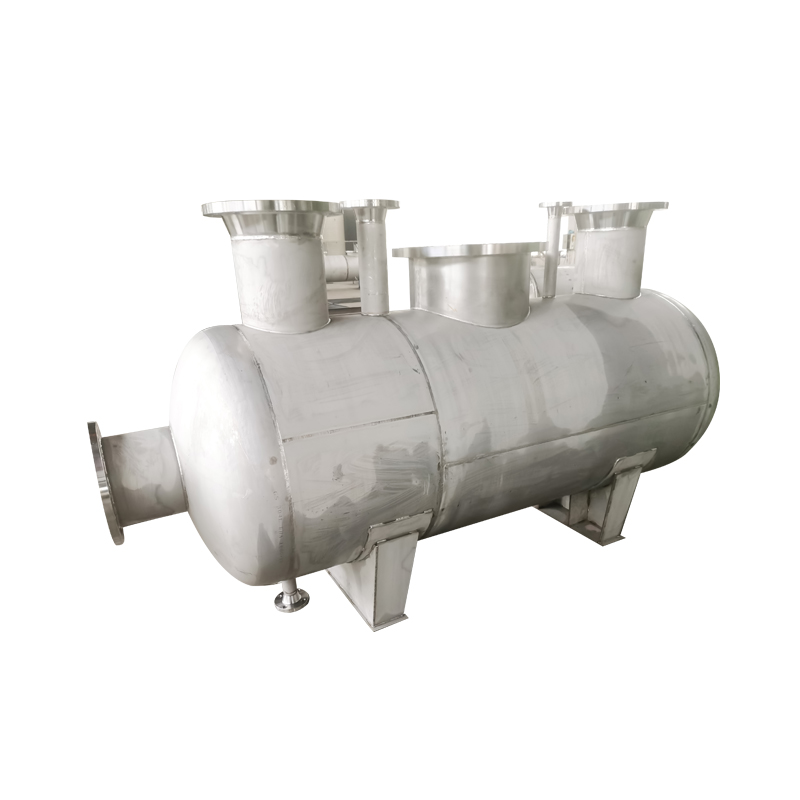
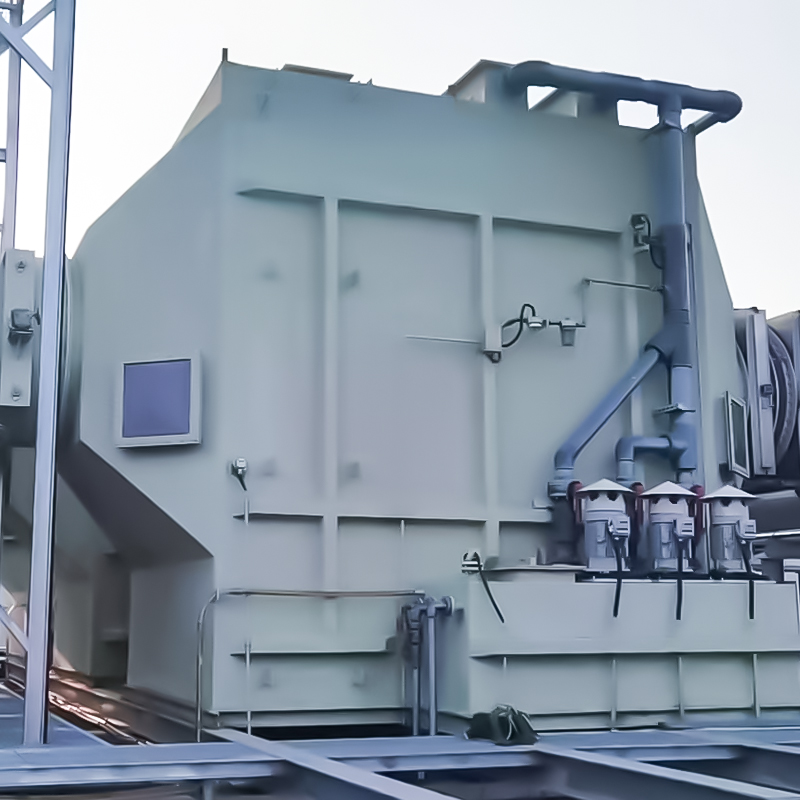
A chemical scrubber system for industrial exhaust is typically designed as an integrated solution rather than a standalone unit. It includes gas pre-conditioning, reaction zones, mist elimination, and wastewater handling components.
Acid gas removal is achieved through acid–base neutralization reactions. When exhaust gas contacts the scrubbing liquid, soluble acid gases dissolve and react with alkaline reagents to form stable salts.
A chemical scrubber for acid gas removal must be tailored to the specific gas composition. Different acid gases require different reaction conditions and reagent concentrations.
For example, hydrogen chloride reacts rapidly with alkaline solutions, while sulfur dioxide removal efficiency depends more heavily on gas-liquid contact time.
| Acid Gas | Reaction Speed | Design Sensitivity |
| HCl | Fast | Liquid alkalinity |
| SO₂ | Moderate | Contact time |
| HF | Fast | Material compatibility |
The wet chemical scrubber working principle relies on intimate contact between contaminated gas and a liquid scrubbing medium. This contact enables both physical absorption and chemical reaction.
Wet and dry scrubbers differ significantly in operation and application scope. Wet systems offer higher removal efficiency for acid gases, while dry systems prioritize lower wastewater generation.
| Aspect | Wet Chemical Scrubber | Dry Chemical Scrubber |
| Removal Efficiency | High | Moderate |
| Water Usage | Required | Minimal |
| System Complexity | Higher | Lower |
Chemical scrubber emission control regulations are driven by regional and international environmental frameworks that limit acid gas discharge into the atmosphere.
Recent regulatory updates emphasize continuous monitoring, performance verification, and documented maintenance procedures to ensure consistent compliance.
Source: U.S. EPA – Stationary Source Air Pollution Control
Engineering compliance requires reverse-designing the scrubber system from emission limits, ensuring sufficient reaction time, redundancy, and safety margins.
Understanding chemical scrubber maintenance requirements is essential for sustained emission control performance and predictable operating costs.
| Maintenance Area | Primary Focus | Risk if Neglected |
| Scrubbing Liquid | pH and concentration | Reduced efficiency |
| Packing & Nozzles | Scaling and blockage | Pressure drop increase |
| Mist Eliminators | Carryover prevention | Secondary emissions |
While chemical scrubbers require upfront engineering investment, their long-term reliability and regulatory compliance often result in lower lifecycle costs compared to non-reactive control technologies.
Yes, when properly designed, a single system can neutralize multiple acid gases with appropriate reagent control.
It is specifically engineered for continuous, high-volume industrial exhaust applications.
Removal efficiencies typically exceed 95% when correctly designed and maintained.
Because acid gases are highly soluble and reactive in liquid media.
Daily operational checks and periodic technical inspections are recommended.
Request for a call today