English
 русский
 عربى
عربى 中文简体
中文简体Comprehensive Guide to Activated Carbon Adsorption Tower for Water and Wastewater Treatment
HOME / NEWS / Industry News / Comprehensive Guide to Activated Carbon Adsorption Tower for Water and Wastewater Treatment

Content
In modern water and wastewater treatment, the Activated Carbon Adsorption Tower plays a critical role in removing organic contaminants, color, odor, taste, and residual chemicals. Hangzhou Lvran Environmental Protection Group Co., Ltd. is a leading China Activated Carbon Adsorption Tower/Equipment Manufacturer and custom solution provider. The Group integrates R&D, technical services, design, production, engineering installation, and after-sales support. Leveraging over 30 utility model patents, numerous invention patents, and extensive software copyrights, Lvran ensures high-quality, innovative, and reliable carbon adsorption systems for industrial and municipal applications. This guide will provide in-depth insights into activated carbon tower design, operation, maintenance, cost considerations, and the benefits of partnering with a leading high-tech enterprise.

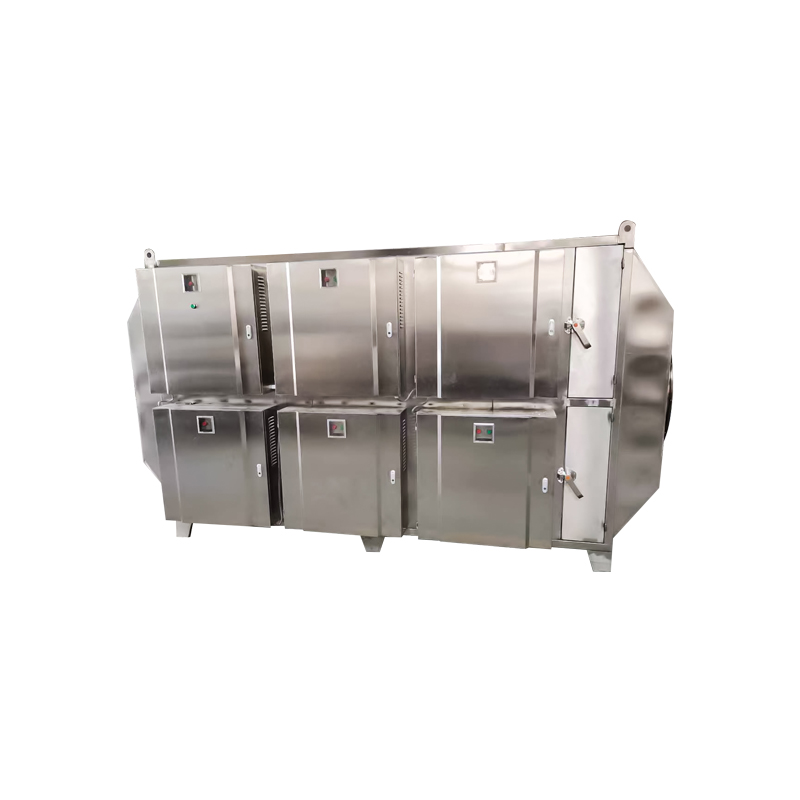
Activated Carbon Adsorption Equipment
Hangzhou Lvran Environmental Protection Group stands out as a national high-tech enterprise and a regional R&D hub with robust technical collaboration with universities and institutions. Key advantages include:
By leveraging these capabilities, Lvran delivers high-efficiency towers designed to meet specific water and wastewater treatment challenges, ensuring compliance, reliability, and sustainability.
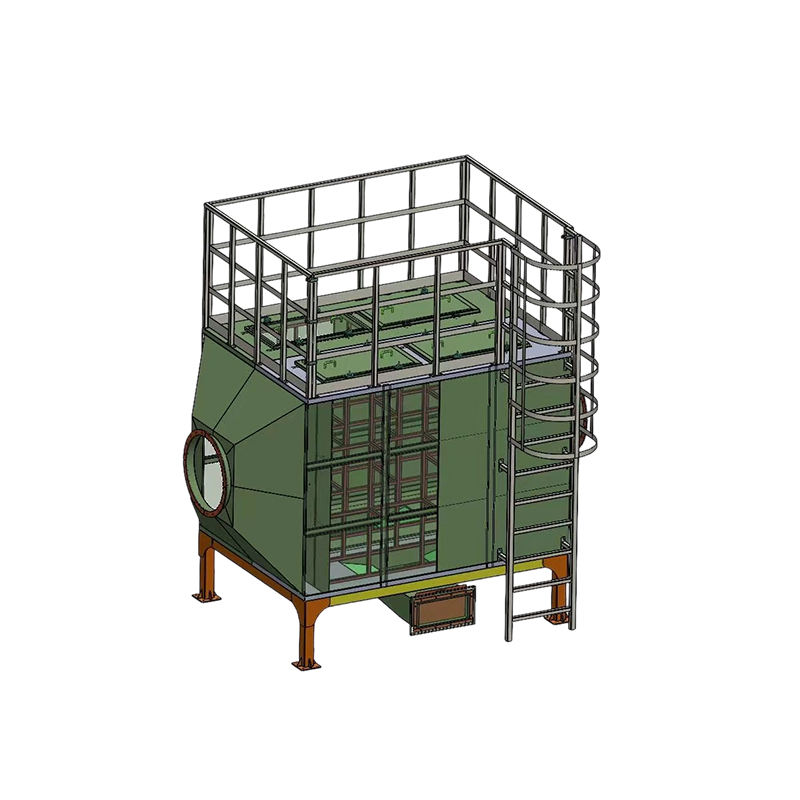
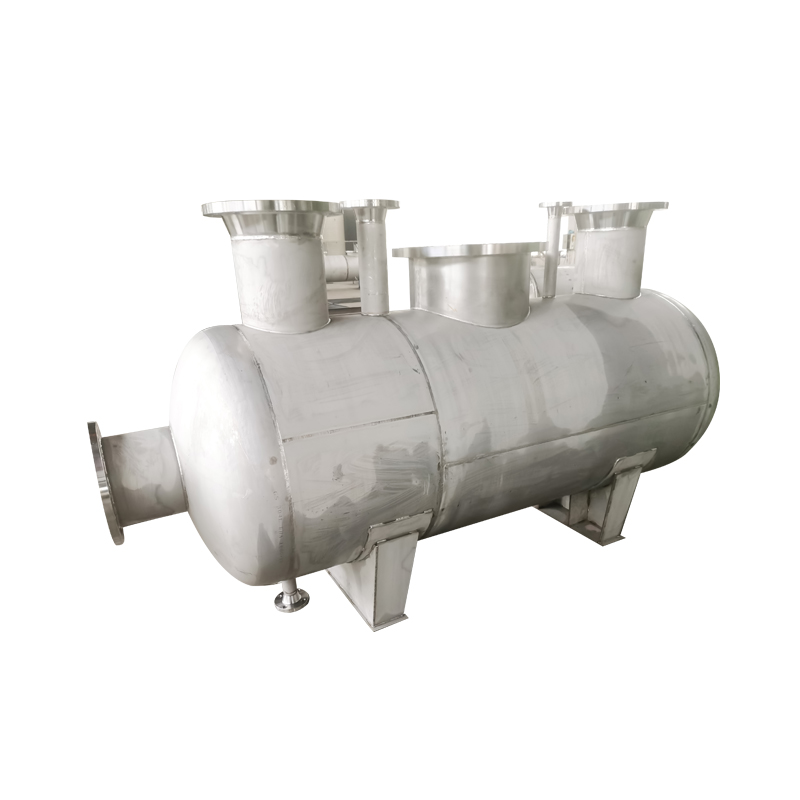
An activated carbon adsorption tower is a vertical or horizontal vessel packed with activated carbon (granular or powdered). Water or wastewater passes through the carbon bed, where organic pollutants, residual solvents, dyes, phenols, and odors are adsorbed. Lvran's systems are designed for optimal flow distribution, preventing channeling and maximizing contact with carbon media. Advanced designs can include multi-layer beds, upflow/downflow options, and integration with pre-filtration or polishing systems.
Understanding how does activated carbon adsorption tower work involves grasping adsorption kinetics. Pollutants diffuse into carbon pores and adhere to surfaces via van der Waals forces. Lvran designs consider EBCT (Empty Bed Contact Time), bed depth, particle size, and hydraulic parameters to ensure breakthrough is minimized and service life is maximized.
Designing a high-efficiency activated carbon adsorption tower requires careful consideration of influent characteristics, flow rate, bed depth, particle size, and EBCT. Lvran provides custom solutions tailored to each industrial or municipal application, ensuring optimal adsorption and minimal maintenance.
Lvran provides multiple design options depending on process needs. Comparison of GAC vs PAC systems, upflow vs downflow, and single-layer vs multi-layer beds enables optimal selection for efficiency, lifespan, and cost.
| Parameter | GAC Tower | PAC Tower | Notes |
| EBCT | 15–20 min | 10–15 min | GAC allows longer operational stability |
| Bed Depth | 1.5–2.5 m | 0.8–1.2 m | GAC requires deeper beds for same capacity |
| Flow Rate | 5–15 m³/m²·h | 3–10 m³/m²·h | Dependent on contaminant load |
| Replacement Frequency | 3–12 months | Monthly | PAC for emergency or batch dosing |
| Application | Continuous industrial treatment | Short-term or emergency treatment | Flexibility vs efficiency tradeoff |
Lvran's activated carbon adsorption tower for industrial wastewater treatment effectively removes VOCs, phenols, dyes, residual solvents, and chlorine by-products. Industrial clients benefit from reduced COD, TOC, color, and odor. The system is often deployed as a polishing unit after biological treatment, coagulation, or membrane filtration.
Lvran has successfully implemented projects in textile, chemical, and municipal wastewater facilities, achieving 85–98% reduction in COD and organics. Customized towers include multi-layer GAC beds, integrated pre-filtration, and automated monitoring for long-term stability.
Regular monitoring ensures optimal performance. Lvran provides end-to-end service from carbon replacement to monitoring and post-installation support.
Optimizing operation improves efficiency, reduces energy consumption, and extends carbon life.
Cost depends on tower size, materials, carbon volume, pumps, instrumentation, pre-treatment systems, labor, and regulatory compliance.
| Category | Estimated Proportion |
| Tower Fabrication & Materials | 30–40% |
| Activated Carbon Media | 20–30% |
| Pumps & Instrumentation | 15–25% |
| Pre-treatment Equipment | 5–10% |
| Installation & Labor | 10–15% |
| Spent Carbon Disposal | Recurring |
VOCs, phenols, dyes, chlorine by-products, taste/odor-causing organics. Not effective for soluble salts or microbes.
Typically 3–12 months depending on load; monitored via COD, TOC, or odor/color indicators.
Yes, layered designs optimize continuous treatment and emergency batch dosing.
Tower volume = Flow × EBCT; adjust bed depth and cross-sectional area for hydraulic constraints.
Custom design, patented VOC treatment technology, ISO-certified quality, engineering and installation support, R&D-backed innovation.
Textile, chemical, pharmaceutical, food & beverage, municipal water treatment.
Request for a call today