Understanding Direct Combustion Equipment in Waste Gas Treatment
Direct combustion equipment plays a crucial role in industrial waste gas treatment, particularly in handling odor and organic pollutants. As industries face increasingly strict environmental regulations, choosing efficient and reliable combustion solutions has become essential for maintaining compliance and protecting the environment.
What is Direct Combustion Equipment?
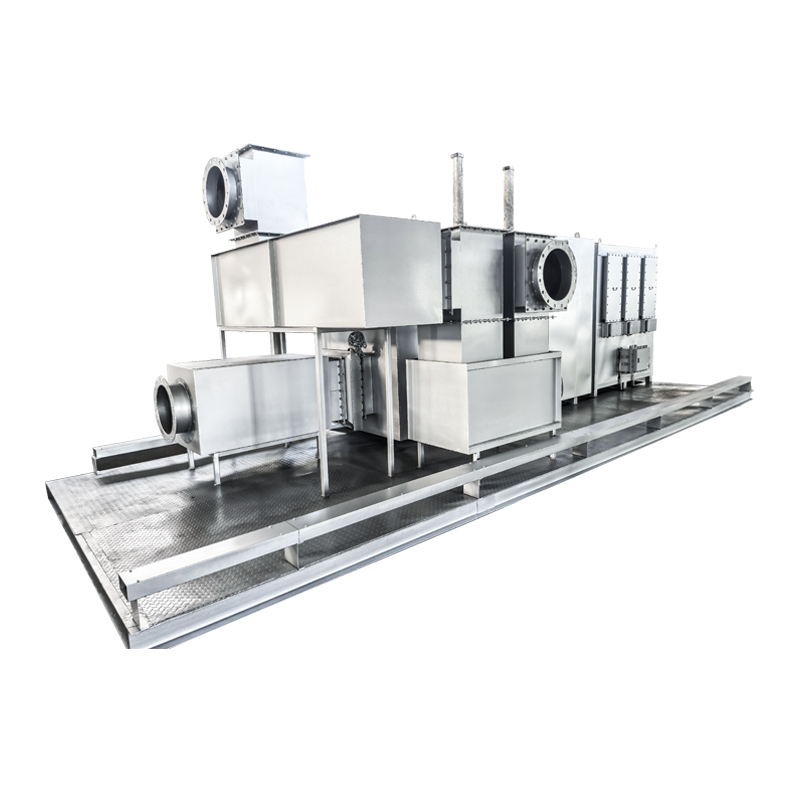
Direct combustion equipment is a type of thermal oxidation system designed to treat waste gases by burning pollutants at high temperatures. Unlike indirect methods, direct combustion processes the exhaust gas directly in the combustion chamber, ensuring complete oxidation of organic compounds and reduction of harmful emissions.
Key Advantages of Direct Combustion
- High Efficiency: Direct combustion ensures rapid and complete oxidation of volatile organic compounds (VOCs) and other pollutants.
- Compact Design: These systems often have a smaller footprint compared to indirect combustion or catalytic systems, making them suitable for limited-space installations.
- Wide Application Range: Applicable to various industries, including chemical, pharmaceutical, food processing, and paint manufacturing.
- Cost-Effective: Lower operational costs due to simplified system design and minimal auxiliary equipment.
Applications in Industrial Waste Gas Treatment
Industries generating odor and organic waste gases, such as solvents, paints, or food-processing byproducts, benefit significantly from direct combustion equipment. By maintaining precise temperature control and optimal residence time, these systems ensure the efficient elimination of harmful gases while reducing environmental impact.
Choosing the Right Equipment
When selecting direct combustion equipment, it is essential to consider:
- The type and concentration of pollutants
- Required gas flow rate and treatment capacity
- Temperature range and energy efficiency
- Compliance with local environmental regulations
Understanding Catalytic Combustion Equipment
Catalytic combustion equipment is an advanced solution for treating volatile organic compounds (VOCs) and other industrial waste gases. Hangzhou Lvran Environmental Protection Group Co., Ltd. specializes in designing, manufacturing, and installing high-efficiency catalytic combustion systems that help industries meet environmental standards while ensuring energy efficiency.
Key Features of Our Catalytic Combustion Equipment
| Feature |
Benefit |
| High VOC Removal Efficiency |
Ensures over 95% reduction of harmful organic gases, helping industries comply with environmental regulations. |
| Low Operating Temperature |
Reduces energy consumption and operational costs compared to traditional thermal combustion systems. |
| Durable Catalysts |
Long-lasting catalyst materials with strong resistance to corrosion and high temperatures. |
| Modular Design |
Flexible installation for different industrial scales, easy maintenance, and future expansion. |
Why Choose Hangzhou Lvran Environmental Protection Group
We are more than just an equipment manufacturer. Our company integrates R&D, design, production, installation, and after-sales service. With numerous patents and collaborations with top universities, we ensure that every catalytic combustion system meets international standards:
- ISO9001 Quality Management
- ISO14001 Environmental Management
- ISO45001 Occupational Health & Safety
- Over 30 utility model patents and multiple invention patents
Applications of Catalytic Combustion Equipment
Our systems are widely used in:
- Chemical and pharmaceutical industries
- Printing and coating factories
- Food processing and packaging plants
- Waste gas treatment in municipal projects
Frequently Asked Questions (FAQ)
| Question |
Answer |
| What is the typical VOC removal rate? |
Our catalytic combustion equipment can achieve VOC removal rates above 95%, depending on the type of gas and operating conditions. |
| What industries can use this equipment? |
It is suitable for chemical, pharmaceutical, printing, coating, food processing, and municipal waste gas treatment. |
| How energy-efficient is catalytic combustion? |
Compared to traditional thermal oxidizers, catalytic systems operate at lower temperatures, reducing energy consumption by up to 30%. |
| What maintenance is required? |
Periodic inspection of catalysts and system components is recommended, typically once every 6–12 months depending on usage. |
Contact Us
Discover how our catalytic combustion equipment can help your business reduce emissions and improve environmental compliance. Visit our product page for more details: Catalytic Combustion Equipment.


 English
 русский
 عربى
عربى 中文简体
中文简体


 16
Mar,2026
16
Mar,2026

