


 English
 русский
 عربى
عربى 中文简体
中文简体Waste gas containing special pollutants
HOME / PRODUCT / Waste gas treatment equipment types and industry cases / Waste gas containing special pollutants

- Such as fluorine-containing waste gas (fluoride), chlorine-containing waste gas (chlorine, hydrogen chloride), heavy metal-containing waste gas (volatile compounds of lead, mercury, and chromium), etc.
- Source: Specific industrial production, such as electrolytic aluminum, chemical synthesis, metal surface treatment, etc.
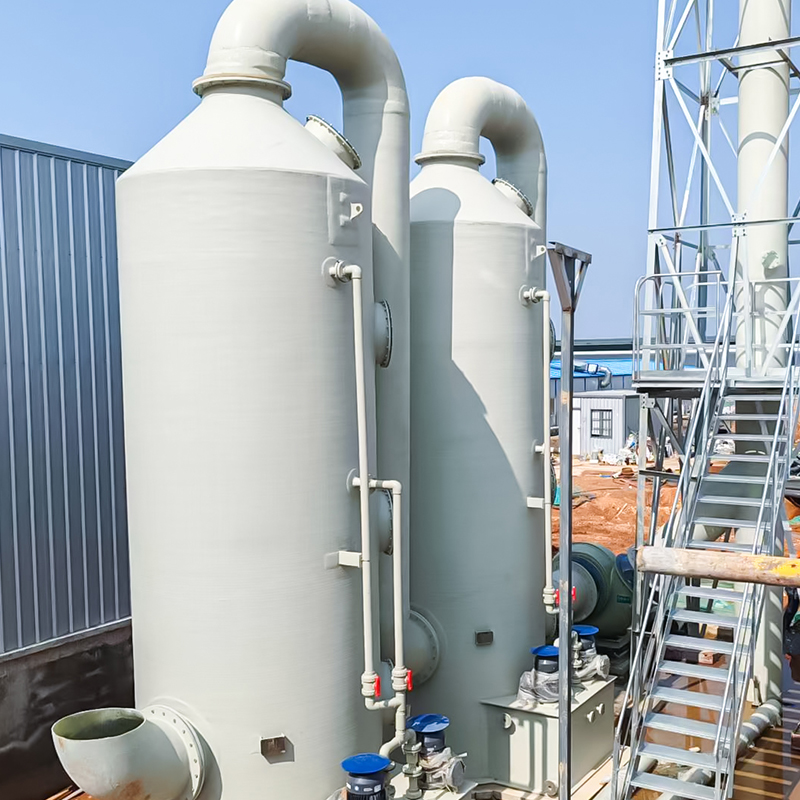
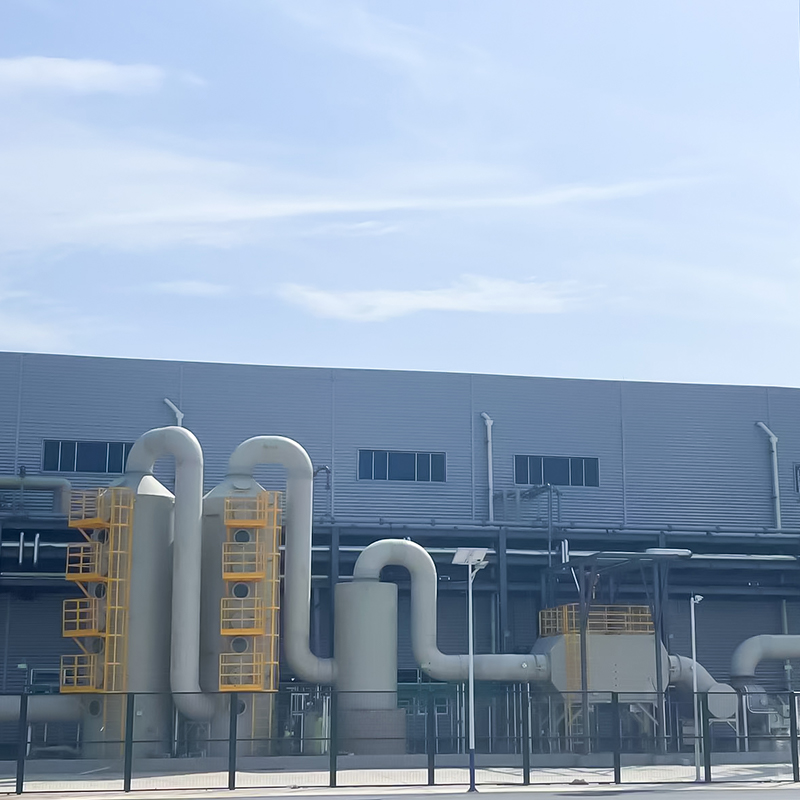
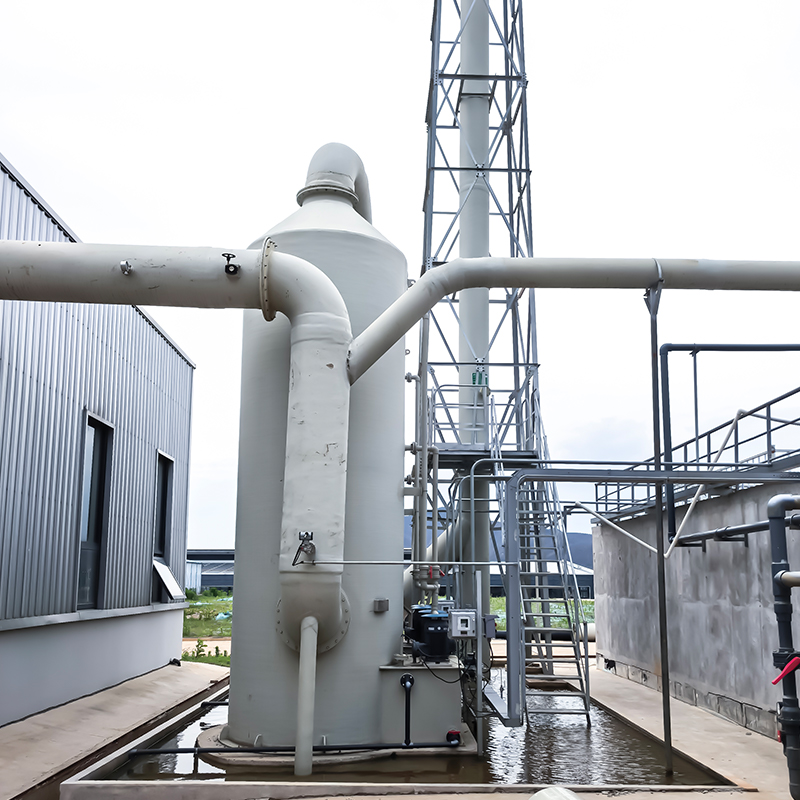
For specific industrial waste gases containing fluorine, chlorine, and heavy metals, treatment equipment must be selected based on their chemical properties (such as acidity, toxicity, and reactivity). Common equipment is listed below:
I. Fluorine-Containing Waste Gas (Fluoride) Treatment Equipment
- Main components: Hydrogen fluoride (HF), silicon tetrafluoride (SiF₄), etc.
- Applicable equipment:
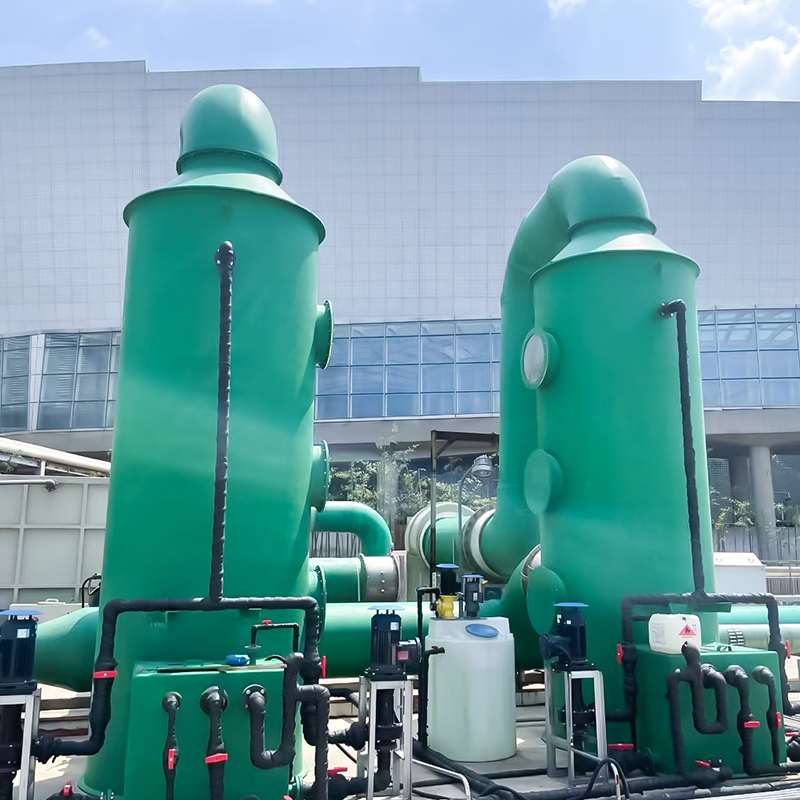
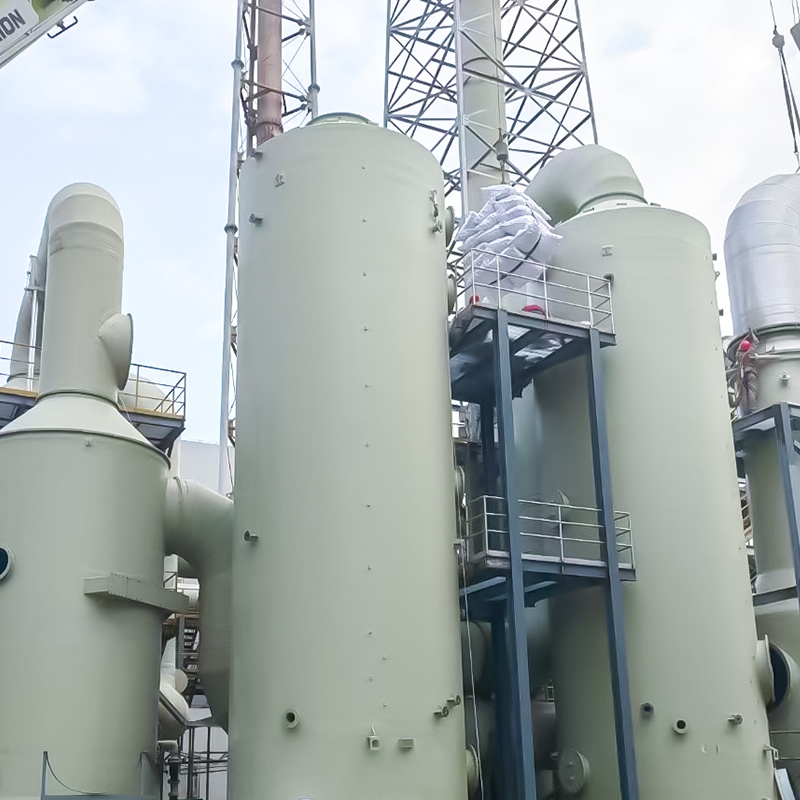
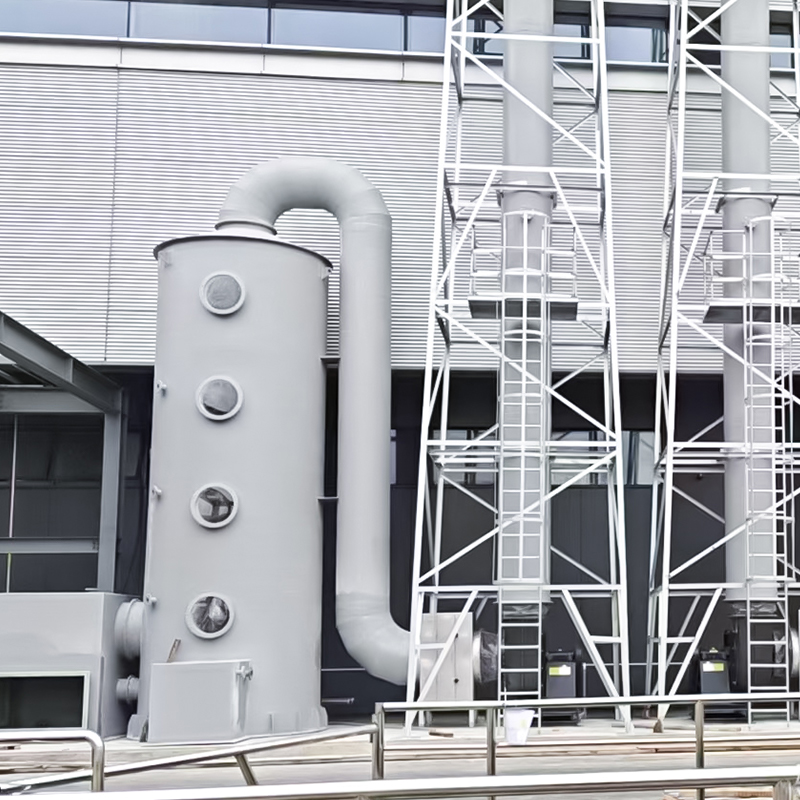
- Alkali Scrubber: This sprays an alkali solution such as sodium hydroxide (NaOH) or sodium carbonate (Na₂CO₃) to neutralize the fluoride (e.g., HF + NaOH → NaF + H₂O), producing soluble fluoride salts that are discharged with the wastewater. Suitable for industries such as electrolytic aluminum and glass manufacturing, this system offers high purification efficiency (over 95%).
- Adsorption Tower (Activated Alumina/Molecular Sieve): Utilizing the adsorbent's strong adsorption capacity for fluoride, this system is suitable for treating low-concentration fluorine-containing waste gases. Regular regeneration or replacement of the adsorbent is required.
2. Chlorine-Containing Waste Gas (Chlorine, Hydrogen Chloride) Treatment Equipment
- Main Components: Chlorine (Cl₂), Hydrogen Chloride (HCl), etc.
- Applicable Equipment:
- Water Absorption Tower (Treatment of Hydrogen Chloride): HCl is readily soluble in water and can be directly removed through water spray absorption. This is suitable for high-concentration HCl waste gas (e.g., chemical synthesis, metal pickling). After absorption, the resulting dilute hydrochloric acid can be recycled.
- Alkali Scrubber (Treatment of Chlorine): Cl₂ reacts with alkaline solutions (e.g., NaOH) to produce harmless substances such as sodium hypochlorite (NaClO) and sodium chloride (NaCl) (e.g., Cl₂ + 2NaOH → NaCl + NaClO + H₂O). This is suitable for chlorine treatment in the chemical and pharmaceutical industries.
- Adsorption Tower (Activated Carbon/Impregnated Activated Carbon): This tower has a certain adsorption effect on low-concentration chlorine. Impregnated activated carbon (e.g., impregnated with sodium carbonate) can enhance adsorption capacity. This tower is often used for emergency treatment or auxiliary purification.
3. Treatment Equipment for Waste Gas Containing Heavy Metals (Volatile Compounds of Lead, Mercury, and Chromium)
- Main Components: Lead Fume (PbO), Mercury Vapor (Hg), Chromic Acid Mist (CrO₃), etc.
- Applicable Equipment:
- Wet Scrubbing Equipment (e.g., Spray Tower, Foam Tower):
- For chromic acid mist: Absorb with dilute sulfuric acid or sodium sulfite solution to produce soluble chromium salts.
- For lead fume: Absorb with dilute nitric acid or acetic acid solution to produce a lead salt solution.
- Subsequent wastewater treatment is essential to avoid secondary contamination by heavy metals.
- Adsorption Equipment:
- For mercury vapor: Activated carbon (impregnated with sulfur or potassium iodide) is commonly used for adsorption. Mercury vapor reacts with sulfur to form mercuric sulfide (HgS), which is then fixed.
- For lead fume: Adsorbents such as quartz sand and activated alumina can be used, suitable for low-concentration waste gas. - High-temperature oxidation/reduction equipment: Some heavy metal compounds can be treated through high-temperature oxidation (for example, oxidizing low-valent chromium compounds to high-valent states makes them more easily absorbed) or reduction (for example, reducing mercury vapor to elemental mercury at high temperatures and then condensing and recovering it). This is often used as a pretreatment step.
- Electrostatic precipitator/bag filter: For particulate heavy metals (such as lead dust and chromate particles), high-efficiency dust removal equipment can be used. The filter bags should be made of corrosion-resistant materials (such as Fluorometalate filter media).
In practical applications, this type of exhaust gas often requires a combination of "pretreatment + primary treatment + deep purification" (e.g., scrubber + adsorption tower). Furthermore, the treatment of byproducts (such as heavy metal-containing wastewater and spent adsorbent) must be strictly controlled to avoid secondary pollution.
 |
 |
 |
 |
 |
 |
 |
information to be updated
Service unit customers
National Engineering Cases
Hangzhou Lvran Environmental Protection Group Co., Ltd. is a comprehensive waste gas treatment system engineering service provider and equipment manufacturer, integrating R&D, technical services, design, production, engineering installation, and after-sales service.
The Group is a national high-tech enterprise, a Zhejiang Province science and technology enterprise, a regional R&D center, and an AAA-rated credit unit. It holds over 30 utility model patents, numerous invention patents, and software copyrights. The Group has long-standing technical R&D collaborations with domestic universities and institutions, including the "Environmental Innovation R&D Center" established with Anhui University of Science and Technology and the "Plasma Energy and Environmental New Technology R&D Center" jointly developed with Zhejiang Sci-Tech University. The Group has established its own R&D and production base for in-depth technical collaboration. The Group possesses core VOC gas treatment technology, holds a Level 2 general contracting qualification for municipal public works construction, a safety production license, a Class B special design qualification for environmental pollution control in Zhejiang Province, unclassified labor service qualifications, and specialized contracting for special projects. The Group is certified to ISO9001 for international quality, ISO14001 for environmental management, and ISO45001 for occupational health and safety.
The following honors represent our brilliance. We win customers with high-quality products and win high praise from the market and all walks of life with good services.


 16
Mar,2026
16
Mar,2026
10
Mar,2026
03
Mar,2026
23
Feb,2026
16
Feb,2026
Request for a call today


