English
 русский
 عربى
عربى 中文简体
中文简体How Advanced Airflow Design in Dust Collector Equipment Reduces Total Factory Energy Costs?
HOME / NEWS / Industry News / How Advanced Airflow Design in Dust Collector Equipment Reduces Total Factory Energy Costs?

Content
In the contemporary industrial landscape, dust collector equipment has transitioned from a basic compliance requirement to a focal point of factory energy management. For engineers and facility directors, the primary challenge lies in balancing high-volume filtration with the escalating costs of industrial electricity. Our company, with over two decades of precision engineering and manufacturing heritage, addresses this through advanced fluid dynamics. By optimizing internal airflow paths and reducing static pressure loss, we enable enterprises to achieve environmental goals while significantly lowering their Operational Expenditure (OPEX).

High-temperature environments present unique challenges for filtration due to gas density fluctuations and thermal expansion. An industrial pulse jet dust collector equipment for high-temperature furnace exhaust must maintain a precise air-to-cloth ratio to prevent premature filter blinding. Advanced designs utilizing low-drag Venturi nozzles can achieve superior cleaning pulses with lower compressed air pressure. While a conventional nozzle design requires a higher pressure to overcome internal resistance, a streamlined aerodynamic nozzle reduces the energy required for each pulse, extending the life of the solenoid valves and the filter media itself.
| Technical Parameter | Standard Nozzle Design | Low-Resistance Aerodynamic Nozzle |
| Cleaning Pulse Pressure | 0.5 - 0.7 MPa | 0.3 - 0.4 MPa |
| Compressed Air Consumption | High | Reduced by 15-20% |
| Filter Bag Lifespan | Moderate | Extended via reduced mechanical stress |
The implementation of energy-efficient dust collector equipment with VFD-controlled fan systems represents the largest single leap in energy reduction for industrial air systems. According to the latest report by the International Energy Agency (IEA) regarding industrial motor systems in 2025, optimizing motor speed through Variable Frequency Drives (VFD) in ventilation and filtration can reduce energy consumption by up to 30% depending on the load profile. By utilizing differential pressure sensors, the VFD adjusts the fan speed in real-time to match the actual resistance of the filters, ensuring the system only consumes the exact amount of power required to maintain the design face velocity.
Source: IEA - Energy Efficiency 2025: Analysis and Outlooks
In highly regulated sectors, the airflow design must serve both energy efficiency and extreme safety. In pharmaceutical settings, HEPA-grade cyclone dust collector equipment for pharmaceutical cleanroom applications uses centrifugal force to pre-separate larger particulates before they reach the final HEPA filters. This staged approach significantly reduces the pressure drop across the fine filter stage, meaning the fan does not have to work as hard to pull air through a loaded filter. In comparison, a direct-to-filter system faces a much steeper pressure increase over time, leading to higher electricity draw and more frequent filter replacements.
For facilities dealing with volatile materials, installing explosion-proof cartridge dust collector equipment for combustible metal dust safety is mandatory. Modern engineering ensures that explosion venting and flame diversion components do not create "dead zones" in the airflow, which could lead to dust accumulation and secondary explosion risks. According to recent technical guidelines from the National Fire Protection Association (NFPA), maintaining a minimum transport velocity is critical to safety; however, our specialized internal ducting ensures this velocity is achieved with the lowest possible frictional loss.
Source: NFPA 652: Fundamentals of Combustible Dust
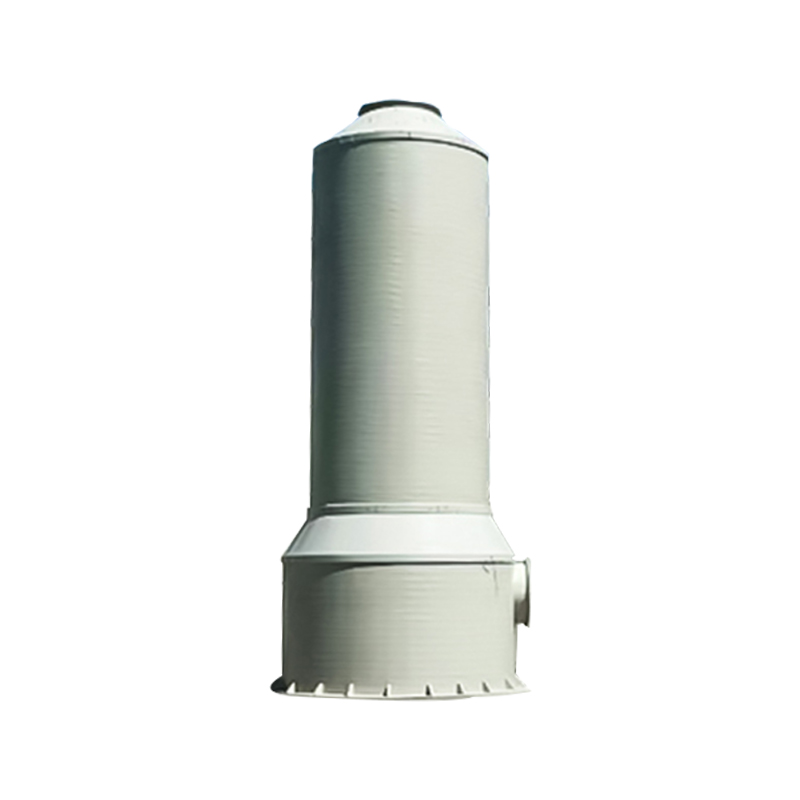
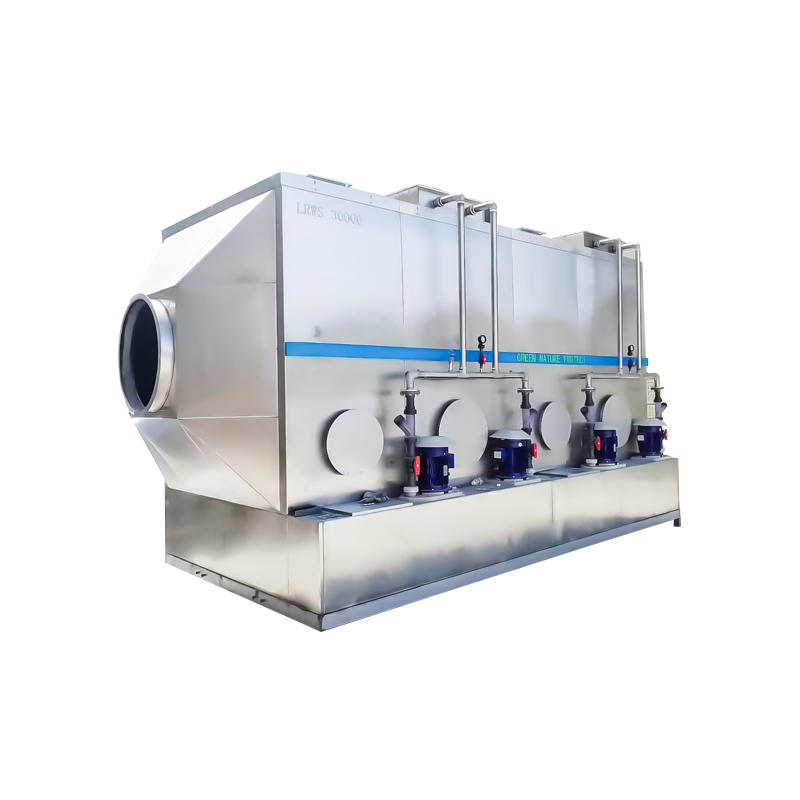
When dealing with volatile chemical processes, the material of construction is as important as the geometry. Stainless steel wet scrubber dust collector equipment for corrosive chemical fumes utilizes a liquid-gas interface to neutralize pollutants. The internal packing media and mist eliminators are engineered to provide maximum surface area for neutralization while minimizing the drag on the exhaust stream. While a plastic-lined carbon steel unit might be cheaper initially, stainless steel maintains a smoother surface finish over time, preventing the build-up of corrosive scale that increases airflow resistance and energy consumption.
| Efficiency Factor | Standard Direct-Filtration | Pre-Separation Cyclone + HEPA |
| System Pressure Drop | Steep increase | Linear / Managed increase |
| Maintenance Frequency | High (Filter-heavy) | Low (Cyclonic self-cleaning) |
| Energy ROI | Standard | High (Lower fan load) |
Ultimately, the performance of dust collector equipment is a function of how efficiently it moves air. By reducing turbulence, managing thermal expansion in furnace exhausts, and utilizing smart VFD controls, manufacturers can transform an environmental necessity into a cost-saving asset. Our commitment to high-precision manufacturing ensures that every component—from the pulse valve to the scrubber tower—contributes to a leaner, safer, and more sustainable industrial operation.
Request for a call today