The Centrifugal Fan: The Heart of Industrial Dust and Fume Extraction Systems
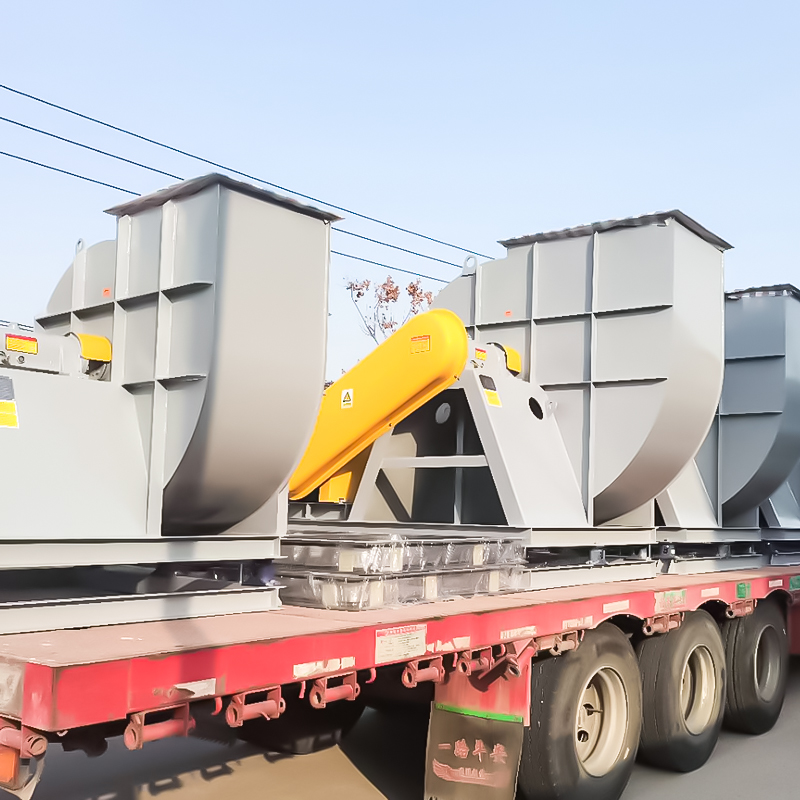
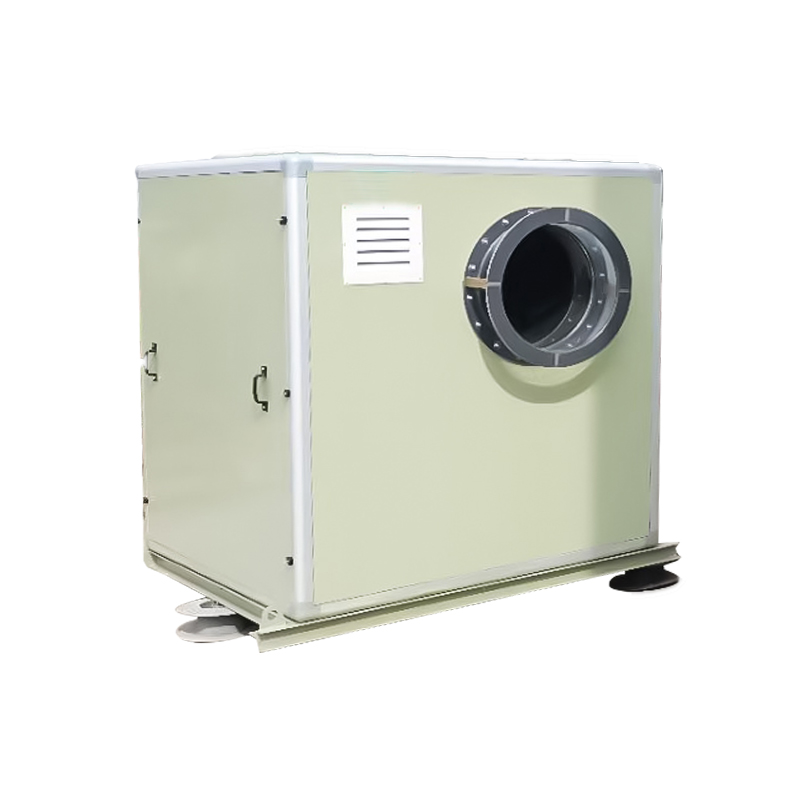
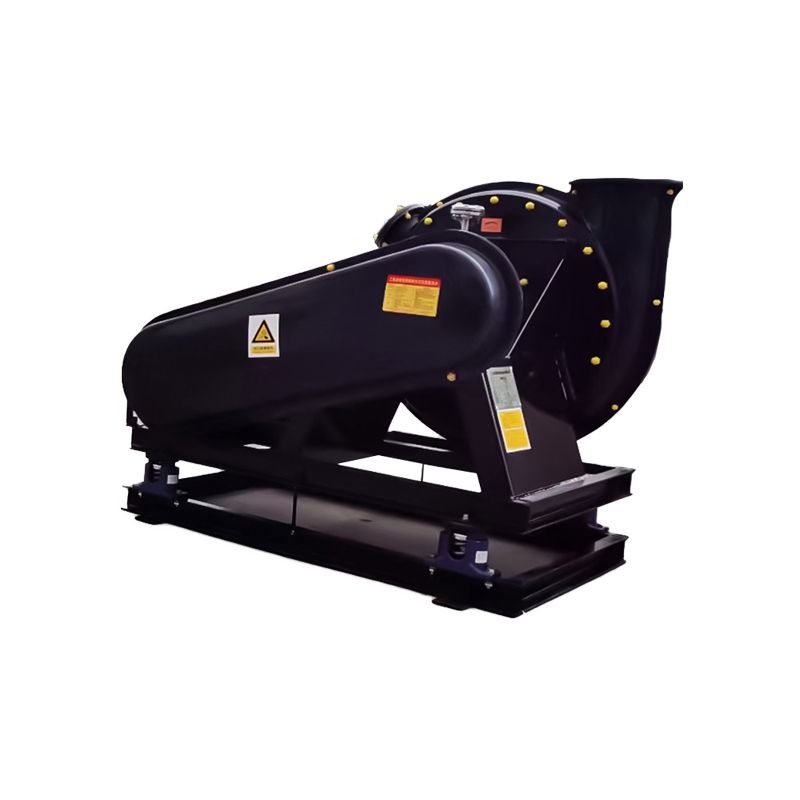
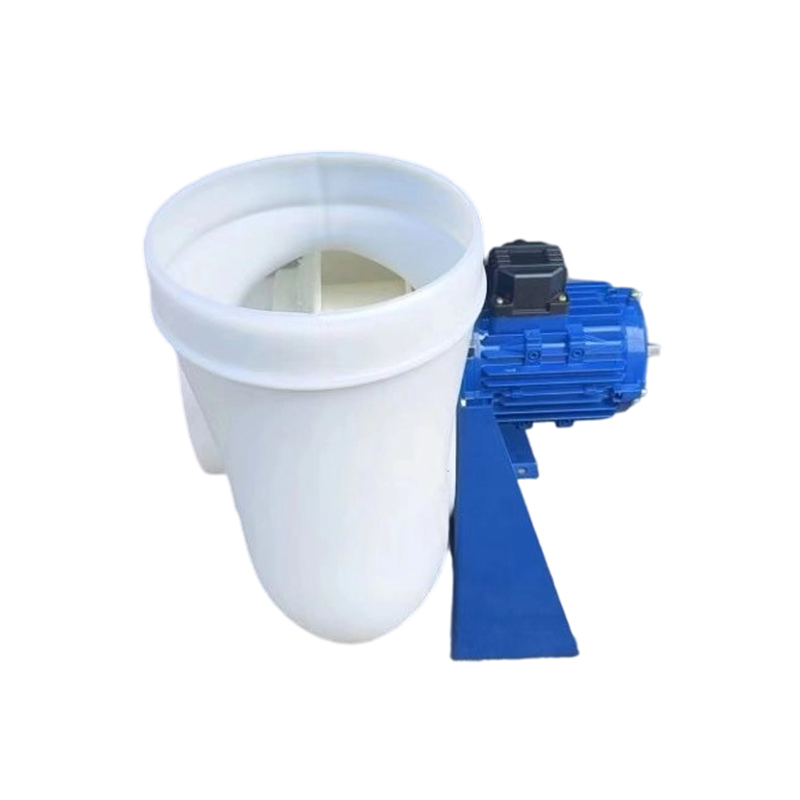
In any effective industrial air pollution control system, reliable airflow is the non-negotiable foundation. The component responsible for generating this vital flow is the Centrifugal Dust Extractor Fan. Often referred to as a Centrifugal Blower for Dust Collector, this workhorse of ventilation engineering is far more than a simple fan; it is a precisely engineered machine that converts rotational energy into the static pressure and volumetric flow rate needed to capture, convey, and treat contaminated air. For system integrators and equipment manufacturers like Hangzhou Lvran Environmental Protection Group Co., Ltd., selecting and optimizing this core component is critical to the performance, energy efficiency, and longevity of the entire dust collection or waste gas treatment train. A properly matched fan ensures the system operates at its design point, effectively capturing pollutants at the source while minimizing operational costs. Conversely, an undersized or mismatched fan can lead to system failure, energy waste, and non-compliance with environmental regulations.
| Core Product |
Centrifugal Fan / Blower |
| Common Names in Industry |
Centrifugal Dust Extractor Fan, Centrifugal Blower for Dust Collector |
| Core Function |
Provides motive force and airflow direction for ventilation, dust extraction, and pneumatic conveying systems |
| Working Principle |
Impeller rotation imparts kinetic energy to gas, which is converted to pressure energy in the volute, creating a continuous flow |
| Key Components |
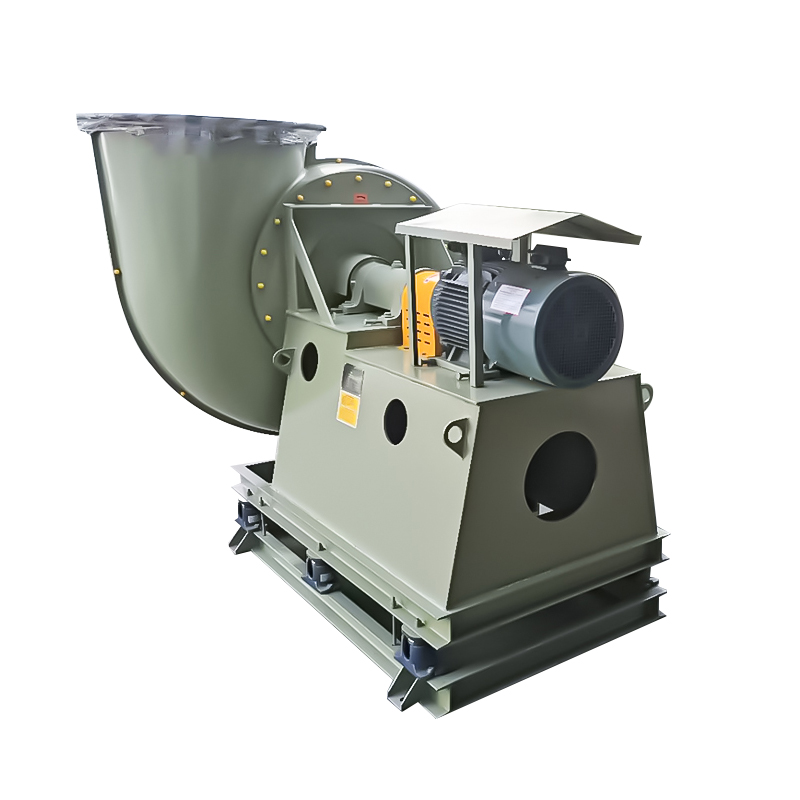
Impeller, Volute (Housing), Inlet & Outlet Cones, Shaft, Bearings, Drive Assembly (Motor, Belts/Coupling) |
| Performance Parameters |
Flow Rate (m³/h), Pressure (Pa), Power (kW), Efficiency (%), Speed (rpm), Noise (dB(A)) |
| Material Selection |
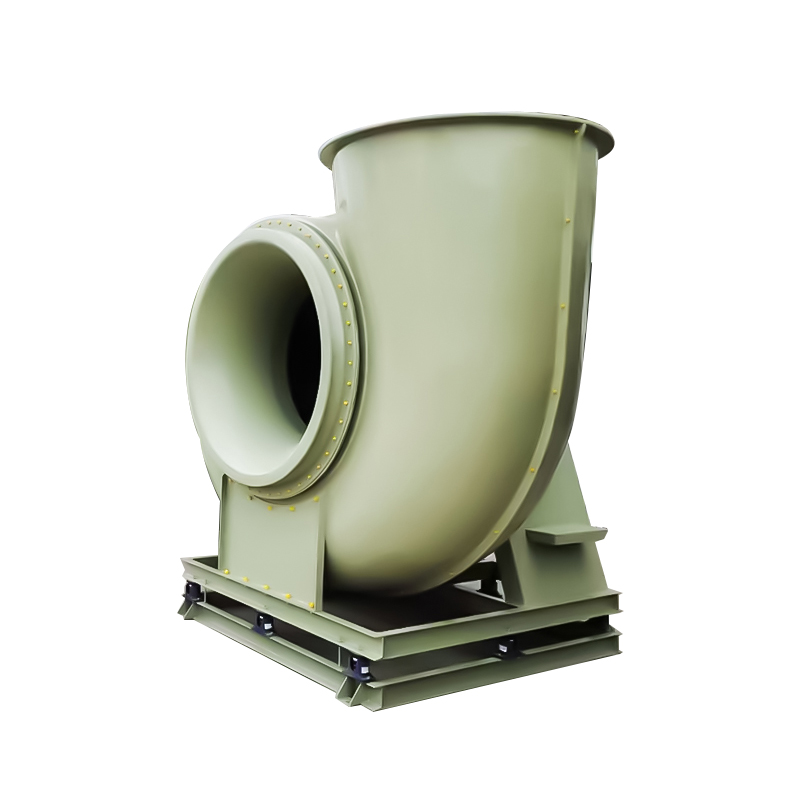
Carbon Steel, Stainless Steel (304/316), Fiberglass Reinforced Plastic (FRP), Steel with Wear/Corrosion Lining |
| Drive Methods |
Direct Drive, Belt Drive, Coupling Drive |
| Primary System Applications |
Bag/ Cartridge Dust Collectors, Welding Fume Extractors, Pneumatic Conveying, Furnace Ventilation, Plant General Ventilation |
The System's Heart: Principles of Operation and Performance Matching
A centrifugal fan operates on the principle of centrifugal force. An electric motor drives an impeller—a rotating disc with blades—at high speed. As the impeller spins, it draws air axially into its eye and flings it radially outward due to centrifugal acceleration. This action dramatically increases the air's velocity (kinetic energy). The high-velocity air is then discharged into a surrounding scroll-shaped housing called a volute. The volute's gradually expanding cross-sectional area is designed to efficiently convert this kinetic energy into useful static pressure, which is the force that overcomes the resistance of the ductwork, filters, and other system components. The creation of a low-pressure zone at the impeller's center ensures a continuous inflow of air, establishing steady airflow through the system. The performance of a specific fan is graphically represented by its characteristic curve, which plots the relationship between flow rate and pressure. The intersection of this fan curve with the system resistance curve (which represents the pressure needed to push air through the system at various flows) determines the actual operating point. The art of selection lies in choosing a fan whose curve intersects the system curve at or near its peak efficiency region, ensuring optimal performance without energy waste.
- Impeller Design Dictates Character: Forward-curved blades generate high volume at low pressure, backward-curved blades offer high efficiency and stable performance over a wider range, and radial blades are robust for material handling.
- The Volute is Key to Efficiency: A well-designed volute minimizes turbulent losses and ensures smooth conversion of velocity to pressure, directly impacting the fan's static efficiency.
- System Effect is Critical: Poor inlet conditions (e.g., elbows too close) or restricted outlet ducts can severely degrade fan performance from its catalog rating, a factor professional designers meticulously account for.
Navigating the Selection Process: Key Parameters and Considerations
Selecting the right centrifugal blower for a dust collector is a multi-variable engineering task. The process begins with two fundamental system requirements: the required Volumetric Flow Rate (Q), measured in cubic meters per hour (m³/h), which is determined by hood design, capture velocity, and process needs; and the total System Pressure Loss (SP), measured in Pascals (Pa), which is the sum of losses from ducts, hoods, filters (at their designed dust-loaded state), and any other system components. A safety factor of 10-20% is typically added to the calculated pressure loss. With these two points, a preliminary fan operating point is established. Engineers then consult fan performance curves to identify models where this point falls within a stable and efficient portion of the curve, preferably to the right of the peak pressure point to avoid unstable operation. Other crucial selection criteria include the nature of the gas stream: its temperature, moisture content, and the presence of abrasive dusts or corrosive chemicals. These factors dictate material selection, from standard carbon steel for clean air to stainless steel, FRP, or lined construction for aggressive environments. Finally, drive type (direct for high-speed precision, belt for flexibility in speed adjustment) and noise level requirements must be considered to ensure a complete and compliant solution.
Critical Selection Parameters and Their Impact
| Parameter |
Definition & Unit |
Impact on Selection & Operation |
| Flow Rate (Q) |
Volume of air moved per hour (m³/h). |
Directly sizes the fan; insufficient flow fails to capture contaminants. |
| Static Pressure (SP) |
Fan's ability to overcome system resistance (Pa). |
Main selection driver; underestimation leads to inadequate airflow. |
| Fan Efficiency |
Ratio of useful air power to input shaft power (%). |
High-efficiency fans (often backward-curved) significantly reduce lifetime energy costs. |
| Speed (RPM) |
Rotational speed of the impeller. |
Affects pressure, flow, noise, and bearing life; often adjusted via VFD. |
| Gas Density (ρ) |
Mass per unit volume of the gas (kg/m³). |
Varies with temperature, altitude, and composition; fan pressure is proportional to density. |
| Sound Power Level (Lw) |
Total acoustic energy emitted (dB). |
Determines necessary noise control measures (e.g., silencers, acoustical enclosures). |
- Density Correction is Non-Negotiable: Standard fan curves are for air at 20°C and standard pressure. For hot air or high-altitude installations, performance must be corrected, or the fan will be undersized.
- Beware of the “Free Air” Fallacy: A fan tested with open inlets and outlets will perform very differently when connected to a duct system. Always select based on system requirements, not standalone specs.
- Future-Proofing with VFD: Specifying a Variable Frequency Drive (VFD) from the outset provides flexibility to fine-tune airflow as process needs change and is the primary tool for energy savings.
Specialized Designs for Demanding Applications
Standard fans are unsuitable for many industrial environments where the gas stream itself is a source of wear or corrosion. In these cases, specialized centrifugal fan designs are essential. For handling abrasive dusts—common in woodworking, mining, or cement industries—fans are constructed with extreme durability in mind. This involves using thick wear plates in the housing and heavy-duty impellers, often with replaceable liner plates or wear strips made from hardened steel, chromium carbide overlay, or even ceramic tiles on critical surfaces. For corrosive applications, such as in chemical processing or acid fume extraction, material integrity is paramount. Fans may be constructed entirely from corrosion-resistant alloys like 316L stainless steel, from engineered plastics like Polypropylene (PP) or FRP, or feature a carbon steel shell with a bonded rubber or fluoropolymer lining (e.g., PTFE). High-temperature applications, such as furnace exhaust or dryer emissions, require fans designed with heat-resistant materials, special high-temperature bearings with appropriate cooling systems (air or water-cooled), and calculated thermal expansion clearances. These specialized fans are not merely options but necessities for reliable, long-term operation in harsh conditions, preventing premature failure and costly unplanned downtime.
- Material Science in Action: The choice between 304 and 316 stainless steel, for example, hinges on the specific chloride ion concentration and pH of the process stream, a decision requiring corrosion engineering expertise.
- Maintenance by Design: Robust designs often include features like clean-out doors, inspection ports, and externally accessible bearing housings to simplify maintenance in dirty environments.
- Certification for Safety:
- Certification for Safety: In environments with explosive dusts or vapors, fans must be certified for the specific zone (e.g., ATEX, NEC) with features like spark-resistant construction, grounding brushes, and explosion-proof motors.
FAQ
Why is my new dust collector fan drawing more electrical current (amps) than expected?
Higher than expected amperage is a common symptom of the fan operating at a point on its performance curve that requires more power. This is most often caused by the actual system resistance being lower than calculated. When resistance is lower, the fan moves along its curve to a higher flow rate. Since power requirement increases with flow, the motor draws more current. This can occur due to oversized ductwork, cleaner-than-expected filters, or open dampers. Conversely, if the gas density is higher than standard (colder air, higher pressure), the fan will also require more power to achieve the same flow. It's crucial to verify system dampers are set correctly and to compare the actual operating point (measured flow and pressure) against the fan curve. A Variable Frequency Drive (VFD) can be used to reduce the fan speed and bring the current draw back to the motor's rated amperage.
What are the main causes of excessive vibration in a centrifugal fan, and how is it fixed?
Excessive vibration is a critical warning sign that can lead to bearing failure, structural fatigue, and catastrophic impeller damage. The primary causes are:
- Imbalance: The most common cause. Dust buildup on the impeller, wear, or improper initial balancing. Correction requires shutdown, cleaning, and dynamic rebalancing.
- Misalignment: For belt-driven or coupled fans, misalignment between the motor and fan shafts creates forces. Precision laser alignment is the standard corrective procedure.
- Bearing Failure: Worn or damaged bearings cause play and vibration. Diagnosis involves vibration spectrum analysis, and the fix is bearing replacement.
- Structural Resonance: The fan's operating speed excites a natural frequency of its support base. This requires structural stiffening or changing the operating speed (with a VFD) to avoid the critical frequency.
Regular vibration monitoring is the best practice for early detection and predictive maintenance.
How do I choose between a belt-driven and a direct-drive centrifugal fan?
The choice involves a trade-off between flexibility, maintenance, and efficiency. Belt-Driven Fans offer significant flexibility. The fan speed can be easily changed by swapping sheave (pulley) sizes, allowing for fine-tuning of system performance after installation. They also isolate the motor from fan vibrations. However, they require regular maintenance: belt tension checks and replacement, sheave alignment, and lubrication of separate bearings. Direct-Drive Fans have the motor shaft connected directly to the fan impeller. They are more compact, have no belt losses (slightly higher overall efficiency), and require less routine maintenance as there are no belts or external bearings to service. The downside is fixed speed; performance adjustment requires a VFD. They may also transmit more motor vibration to the impeller. Belt drives are often preferred for their tuning flexibility in custom systems, while direct drives are favored for OEM applications and where minimal maintenance is a priority.
Can I use a standard centrifugal fan to handle moist air or steam?
Standard fans are generally not designed for saturated air or steam. Moisture can cause several issues: corrosion if the air contains any corrosive elements, water droplet erosion on the impeller, and potential imbalance from water collecting unevenly on the blades. For applications with high humidity or occasional carryover of liquid droplets, specific design features are required. These include: corrosion-resistant materials (stainless steel), waterproof bearings and seals, sloped housings with drain ports to prevent water accumulation, and often heavier, more robust impeller construction. For saturated steam or continuous wet gas service, specialized fans with these features are mandatory. Using a standard fan in such conditions will drastically shorten its service life and likely lead to sudden, costly failures.
What is “fan surge” and how can it be prevented in a dust collection system?
Fan surge, or stall, is an unstable operating condition that occurs when a centrifugal fan is forced to operate at a point of low flow and high pressure on the left side of its peak on the pressure-flow curve. In this region, airflow separates from the impeller blades, becoming highly turbulent and pulsating. This causes violent fluctuations in flow and pressure, loud low-frequency noise, and severe mechanical vibration that can damage the fan and connected ductwork. In a dust collection system, surge is most commonly triggered by overly dirty filters (creating very high resistance at low flow) or by a system damper being closed too much. Prevention strategies include: 1) Properly sizing the fan so the normal operating point is well to the right of the peak pressure point, 2) Implementing a filter cleaning regime to prevent excessive pressure drop, 3) Using a recirculation damper (blow-off valve) that opens automatically to increase flow through the fan if system resistance gets too high, and 4) Utilizing a VFD with a minimum speed setting that keeps the fan out of the surge region.


 English
 русский
 عربى
عربى 中文简体
中文简体


 16
Mar,2026
16
Mar,2026

