How Can Fans Ensure Efficient and Durable Waste Gas Purification?
With increasingly stringent environmental protection regulations, waste gas treatment has become an essential part of operations. Fans are one of the core components of an exhaust gas treatment system, and they play a vital role in ensuring the stable and efficient operation of the system. Fans of different materials and structures exhibit significant differences in corrosion resistance, wear resistance, aerodynamic performance, and long-term reliability. Therefore, a deep understanding of these two types of fans is vital for optimizing system design and operation.
Design Concept and Industrial Application of Anti-Corrosion Fans
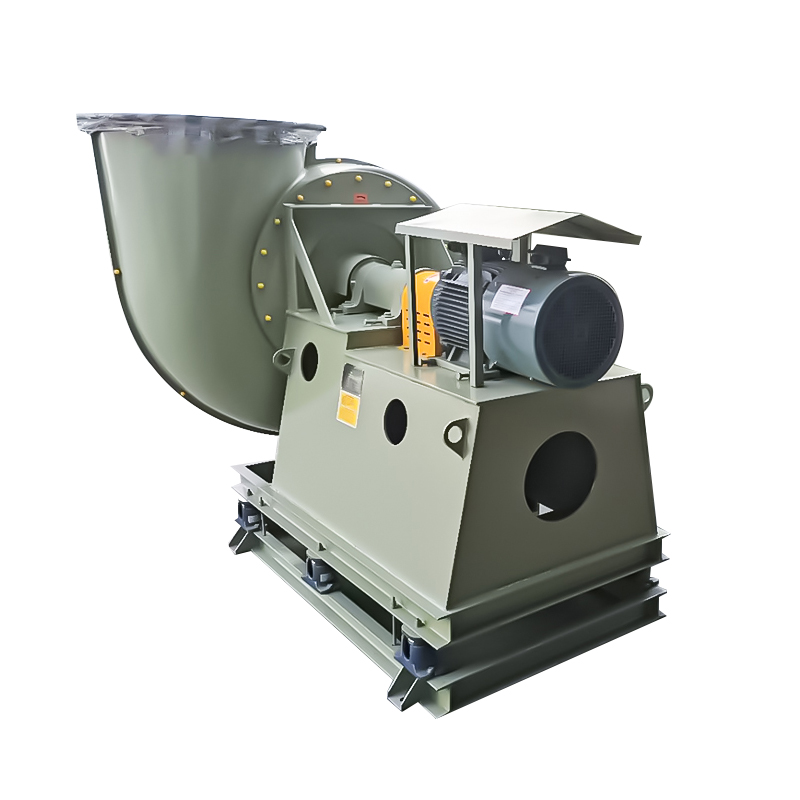
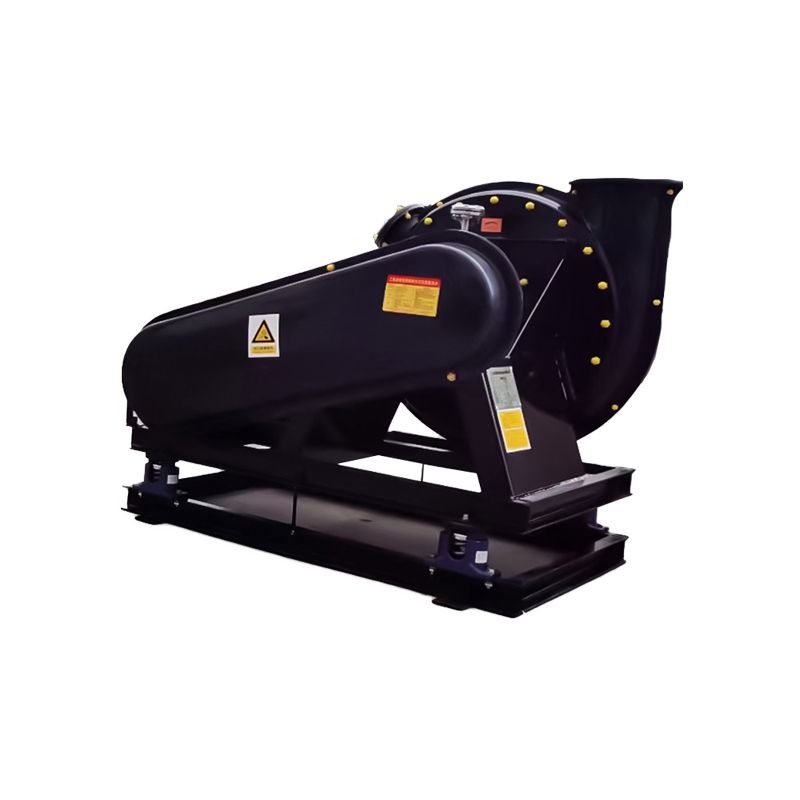
An anti-corrosion fan is specifically designed to handle corrosive gases such as acids, alkalis, salts, and other aggressive chemicals. Its performance depends heavily on material selection and protective engineering:
| Key Factor |
Description |
| Materials |
Commonly used materials include polypropylene (PP), polyvinyl chloride (PVC), stainless steel (304/316L), and fluoroplastics with high corrosion resistance |
| Coating Technology |
Epoxy resin, PTFE coating, or integral casting enhances resistance to acids and alkalis |
| Structural Design |
Impellers, casings, and bearings undergo corrosion protection; flow paths are optimized to minimize gas retention and corrosion accumulation |
| Application Scenarios |
Chemical, metallurgical, pharmaceutical, electroplating industries, and waste gas treatment systems, especially for acidic or corrosive gases |
The industrial value of anti-corrosion fans lies in:
- Extended service life: High-performance materials and corrosion-resistant designs reduce wear and degradation.
- Stable airflow delivery: Optimized impeller designs improve airflow and pressure stability, ensuring system efficiency.
- Reduced maintenance costs: Durable construction minimizes frequent inspections and component replacements.
Structural Features and Advantages of Fiberglass Centrifugal Fans
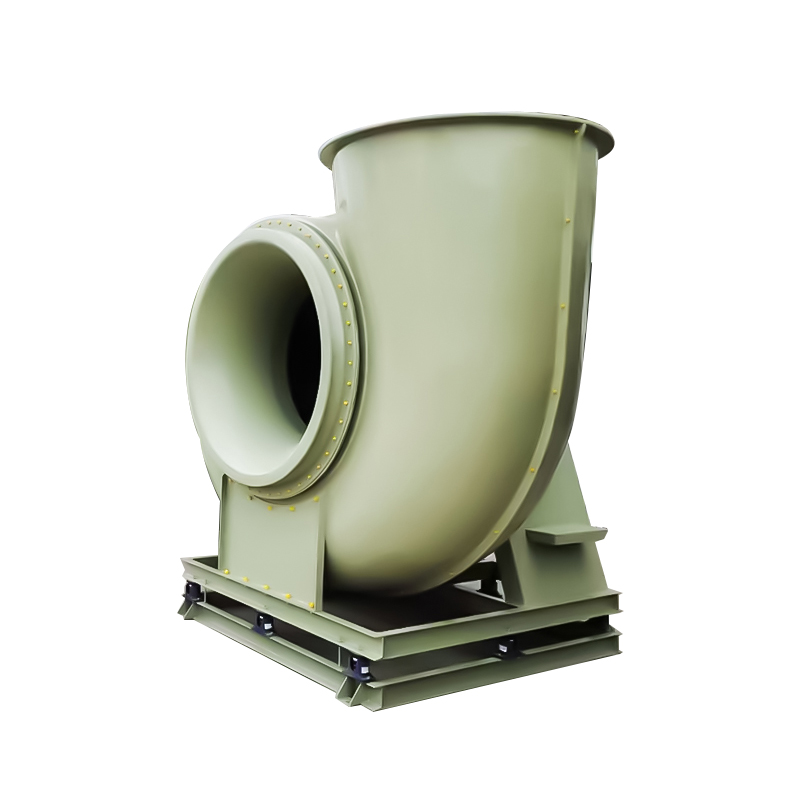
A fiberglass centrifugal fan (FRP centrifugal fan) utilizes fiberglass-reinforced plastics (FRP) to achieve superior durability and corrosion resistance. Its advantages include:
| Feature |
Description |
| Material Properties |
FRP is lightweight, high-strength, corrosion-resistant, heat-tolerant, and UV-resistant, suitable for harsh industrial environments |
| Structural Design |
Centrifugal impellers deliver high pressure, ideal for long-distance duct transport |
| Maintenance Convenience |
Lightweight FRP allows easier installation and maintenance, reducing labor costs |
| Application Range |
Widely used in chemical exhaust, acid mist purification, electroplating emissions, and dusty exhaust systems |
The key to fiberglass centrifugal fan performance lies in impeller and duct optimization. It balances high corrosion resistance with aerodynamic efficiency, maintaining stable operation under acidic, alkaline, or high-humidity conditions.
Comparison and System Matching
When selecting a fan, engineers must evaluate operational conditions, gas characteristics, treatment capacity, and system layout. The table below compares core performance attributes:
| Performance Metric |
Anti-Corrosion Fan |
Fiberglass Centrifugal Fan |
| Material Corrosion Resistance |
High (PP, PVC, PTFE, etc.) |
High (inherent FRP resistance) |
| Structural Type |
Axial or centrifugal |
Primarily centrifugal |
| Flow Adaptability |
Medium to high |
Medium to high, suitable for long ducts |
| Maintenance Cost |
Medium |
Low (lightweight, durable) |
| Installation Convenience |
Medium |
High, easy on-site installation and removal |
| Application Scenarios |
Strong acid, strong alkali, corrosive gases |
Medium/low corrosive gases, dust, and acid mist |
Fiberglass centrifugal fans are better suited for high-pressure, long-distance transport and moderate corrosion, while anti-corrosion fans excel in strong corrosive environments.
Practical Considerations in Waste Gas Treatment Systems
Fans in industrial waste gas systems are not only responsible for airflow but also directly affect purification efficiency and equipment lifespan. Key design considerations include:
- Gas composition analysis: Identifying corrosive components and concentrations to guide material selection.
- Temperature and humidity control: High humidity accelerates corrosion, requiring water-resistant materials or coatings.
- Flow and pressure requirements: Centrifugal fans are preferred for long ducts, while axial fans suit low-pressure, high-volume applications.
- Maintenance and cost considerations: Corrosion-resistant materials extend fan life but must balance initial investment with long-term operation.
Hangzhou Lvran Environmental Protection Group Co., Ltd., with over 30 utility model patents and multiple invention patents, collaborates with domestic universities for long-term technical R&D. The company provides customized solutions to ensure a balance between system efficiency and low maintenance costs.
Conclusion
In the waste gas treatment industry, fans are crucial for the reliable and efficient operation of the system. Proper selection and design can extend equipment lifespan, enhance system efficiency, and reduce operating costs. Hangzhou Lvran Environmental Protection Group Co., Ltd., as a leading domestic manufacturer, leverages its technical expertise to deliver reliable solutions for industrial waste gas purification.


 English
 русский
 عربى
عربى 中文简体
中文简体


 16
Mar,2026
16
Mar,2026

