Polymer Substrate Compatibility and Chemical Resistance Mapping
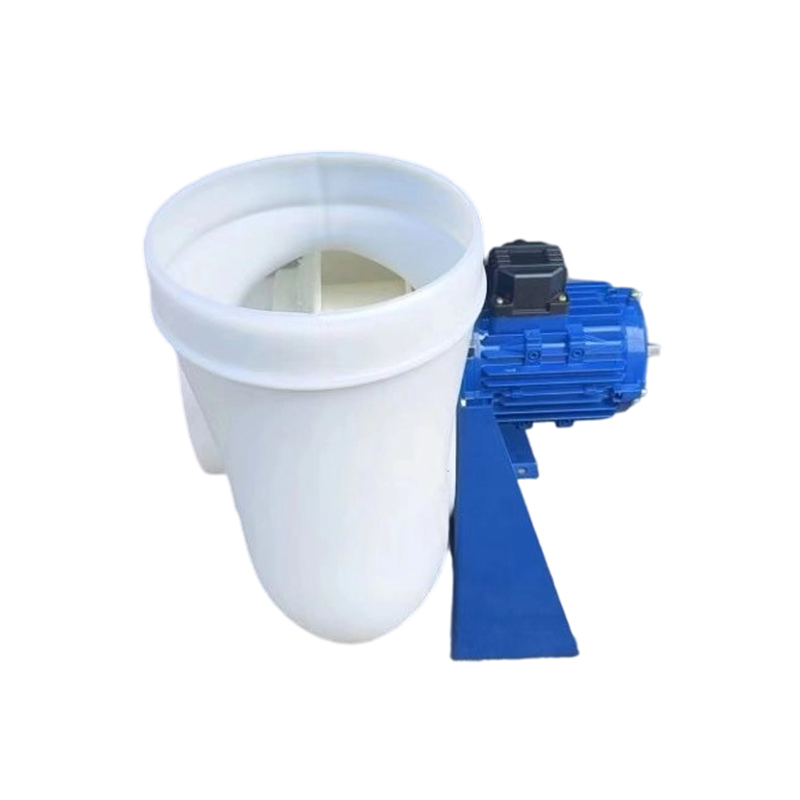
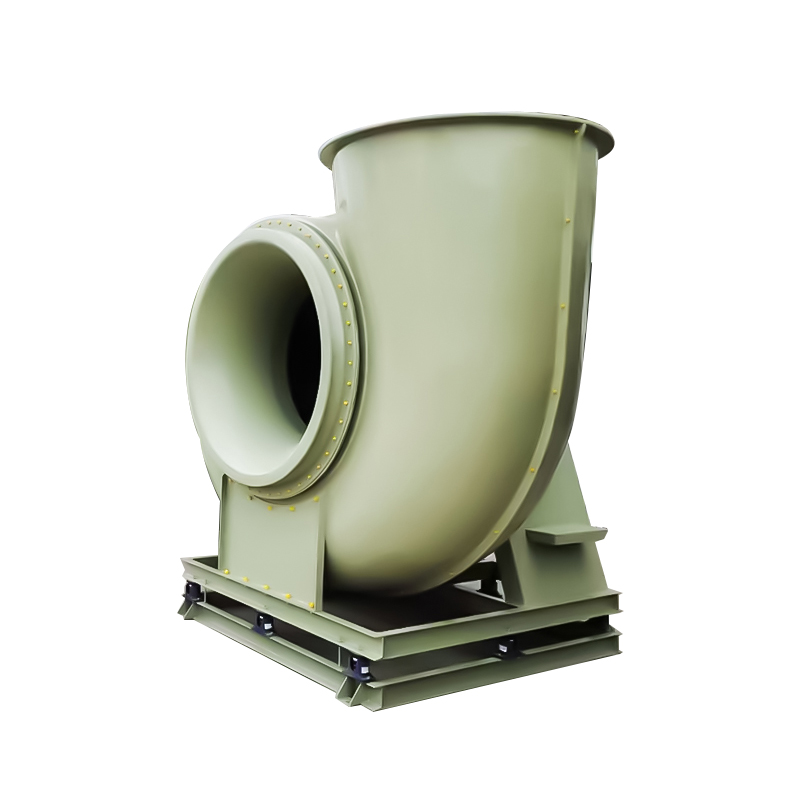
* Matching Substrates to Chemical Concentrations: The fundamental challenge in designing an Anti-corrosion Fan involves aligning the polymer matrix with the specific corrosive media. Engineers must analyze the chemical resistance of PP vs FRP for exhaust fans to determine the optimal substrate. While Polypropylene (PP) offers exceptional resistance to sulfuric acid up to 70% concentration, Fiber-Reinforced Plastic (FRP) is often required for higher mechanical loads. Understanding how to match polymer substrates with chemical concentrations is the first step in preventing stress cracking in industrial fans. * Thermal Stability and Heat Deflection: Operating temperatures significantly impact material integrity. The heat deflection temperature (HDT) of anti-corrosion materials must exceed the maximum process gas temperature by at least 20%. For high-temperature acidic vapors, PPH (Polypropylene Homopolymer) or specialized vinyl ester resins are utilized to maintain a tensile strength of at least 30 MPa, ensuring the Anti-corrosion Fan does not undergo creep deformation. * Surface Ra Finish and Solid Adhesion: In environments with high particulate matter, the Ra surface finish of anti-corrosion impellers is critical. A smoother finish (Ra less than 0.8 microns) prevents the accumulation of corrosive salts, which can lead to localized pitting. This technical indicator for anti-corrosion fan reliability is essential for maintaining aerodynamic efficiency in corrosive environments.
Mechanical Integrity and Dynamic Stability under Chemical Load
* Dynamic Balance and Chemically-Induced Imbalance: In heavy-duty applications, an Anti-corrosion Fan must maintain a Grade G2.5 balance according to ISO 21940. Over time, chemical deposits or non-uniform corrosion can disrupt this equilibrium. Detecting chemically-induced imbalance in industrial fans through scheduled vibration analysis is a mandatory way to extend the service life of an Anti-corrosion Fan. * Shaft Seal Engineering and Leakage Control: Preventing the escape of hazardous gases requires advanced sealing. Mechanical seals vs labyrinth seals for anti-corrosion fans are selected based on the toxicity and pressure of the media. A high-performance Anti-corrosion Fan utilizes FKM or PTFE seals to ensure a hermetic barrier, protecting the drive assembly from volatile acidic gas erosion. * Structural Fatigue and C5-M Corrosion Protection: For fans installed in coastal or high-salinity zones, the external metal supports must meet C5-M anti-corrosion standards for coastal processing. This involves a multi-layer coating system with a total dry film thickness (DFT) exceeding 320 microns, effectively preventing atmospheric corrosion in fan housings.
Motor Protection and Explosive Atmosphere Compliance
* IP Ratings and Hazardous Zone Safety: When an Anti-corrosion Fan operates in zones with flammable corrosive vapors, explosion-proof motor standards for chemical fans (such as ATEX or IECEx) must be met. The motor must possess an IP55 or IP66 protection rating to prevent the ingress of corrosive moisture into the windings, which is a critical technical indicator for fan motor longevity. * Tensile Strength and Reinforcement Mechanics: For large-diameter FRP impellers, evaluating the tensile strength of reinforced plastic fan blades is vital. Engineers utilize cross-woven glass fiber mats to ensure the Anti-corrosion Fan can withstand centrifugal forces at tip speeds exceeding 80 m/s without fiber delamination. * Vibration Analysis and Preventive Maintenance: Continuous monitoring of vibration displacement in anti-corrosion fans allows for the detection of bearing wear before catastrophic failure. Scheduled vibration analysis for industrial fans acts as a primary diagnostic tool in minimizing downtime in chemical ventilation systems.
Material Property
Polypropylene (PP)
Fiber-Reinforced Plastic (FRP)
Tensile Strength
25 - 35 MPa
80 - 150 MPa
Max Operating Temp
80 degrees C
110 - 150 degrees C
Chemical Resistance
Excellent (Acids/Bases)
Varies by Resin Type
Density
0.91 g/cm3
1.6 - 2.0 g/cm3
Performance Validation and Compliance Standards
* Aerodynamic Testing and Flow Efficiency: Every Anti-corrosion Fan is tested according to AMCA 210 standards for fan performance. This ensures that the static pressure and airflow volume meet the design requirements of the scrubbers or exhaust stacks. * Life Cycle Cost (LCC) Analysis: While the initial investment in an Anti-corrosion Fan is higher than standard steel units, the reduction in non-planned downtime and the extended service life in acidic environments result in a significantly lower total cost of ownership.
Technical FAQ
1. How do you prevent stress cracking in polymer fan housings?Preventing stress cracking in industrial fans is achieved by selecting resins with high Environmental Stress Crack Resistance (ESCR) and ensuring that the mold tolerances allow for thermal expansion without inducing mechanical strain. 2. Which is better for sulfuric acid: PP or FRP? For high concentrations at moderate temperatures, PP is often superior. However, the chemical resistance of PP vs FRP for exhaust fans depends on the pressure; FRP is preferred for high-pressure systems due to its superior tensile strength. 3. What motor IP rating is needed for acid mist environments? An Anti-corrosion Fan in these zones should typically have at least an IP55 or IP66 protection rating to prevent chemical ingress and winding failure. 4. How often should dynamic balance be checked? In volatile acidic zones, we recommend scheduled vibration analysis every 3 to 6 months to detect any chemically-induced imbalance caused by material erosion or buildup. 5. Can an Anti-corrosion Fan handle explosive gases? Yes, provided it is equipped with explosion-proof motor standards and the impeller is made from conductive materials to prevent static discharge.
Technical References
* ISO 21940: Mechanical vibration — Rotor balancing. * ASTM D543: Standard Practices for Evaluating the Resistance of Plastics to Chemical Reagents. * AMCA Publication 211: Certified Ratings Program — Product Rating Manual for Fan Air Performance.


 English
 русский
 عربى
عربى 中文简体
中文简体