English
 русский
 عربى
عربى 中文简体
中文简体Activated Carbon Adsorption Tower: Complete Guide for VOC and Odor Control
HOME / NEWS / Industry News / Activated Carbon Adsorption Tower: Complete Guide for VOC and Odor Control

Content
An activated carbon adsorption tower removes VOCs, odors, and hazardous air pollutants from industrial exhaust streams using activated carbon as the adsorbent media. It is one of the most effective and cost-efficient solutions for meeting environmental regulations.
Removal efficiency
Contaminant types
Engineered solutions
Pollutants trapped on carbon surface
Carbon reused or replaced
Meets emission standards
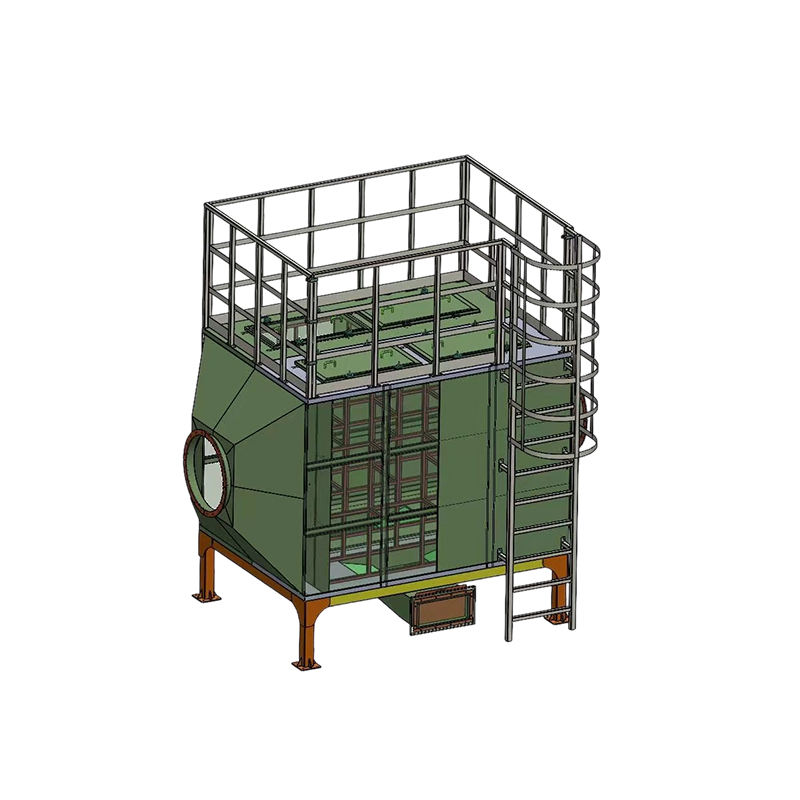
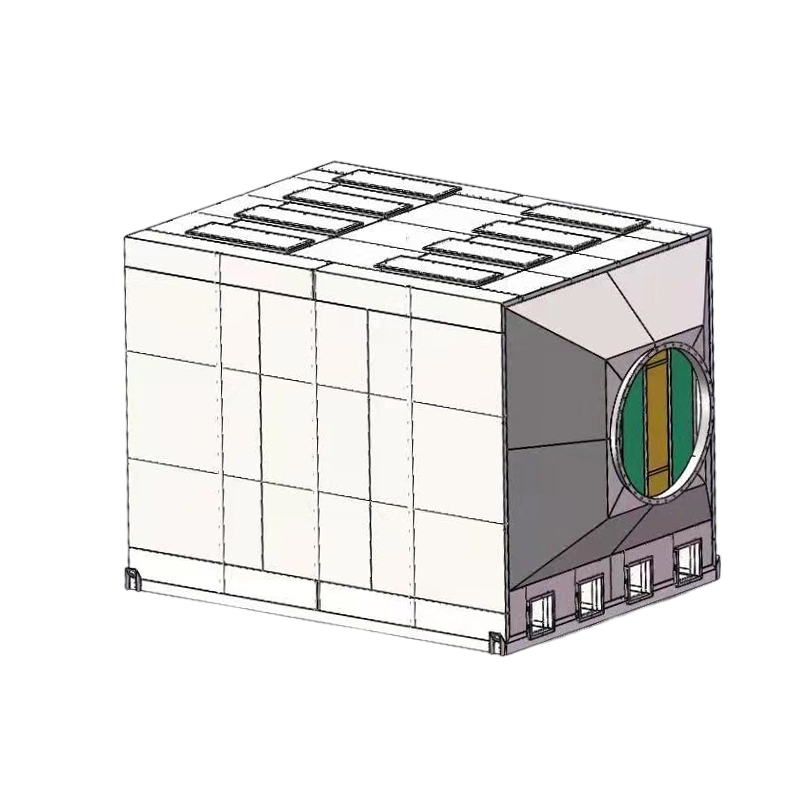
An activated carbon adsorption tower is a packed-bed system that uses activated carbon to capture and remove pollutants from industrial gas streams. The tower consists of a cylindrical or rectangular vessel filled with activated carbon, through which contaminated gas passes. Pollutants are trapped on the carbon surface through physical and chemical adsorption.
Activated carbon has an extensive internal surface area — 500 to 1,500 m² per gram — providing countless sites for pollutant molecules to attach. This makes it one of the most effective adsorbents available for gas treatment. The adsorption process is driven by van der Waals forces and, in some cases, chemical interactions between the pollutant and the carbon surface.
These towers are used in chemical manufacturing, pharmaceutical production, printing, coating, food processing, and wastewater treatment industries. They are particularly effective for removing volatile organic compounds, odorous gases, and hazardous air pollutants.
Activated carbon adsorption is the gold standard for VOC and odor control — efficient, reliable, and proven across industries.
An activated carbon adsorption tower operates through a straightforward yet highly effective process. The contaminated gas enters the tower through an inlet duct and is distributed evenly across the carbon bed. A distribution plate or perforated screen ensures uniform flow, preventing channeling that could reduce efficiency.
Contaminated air enters the tower and is distributed evenly across the carbon bed.
Pollutant molecules diffuse to the carbon surface and are trapped in the micropores.
Treated gas is discharged through the outlet, meeting regulatory emission limits.
Saturated carbon is regenerated or replaced to maintain performance.
Many modern systems are designed with multiple towers in parallel, allowing one to be taken offline for carbon replacement while others continue to operate. This ensures continuous emission control without production downtime.
The adsorption process is influenced by several factors: gas temperature, humidity, pressure, and the concentration and type of pollutants. Higher temperatures generally reduce adsorption capacity, while higher concentrations increase the rate of adsorption. Understanding these factors is essential for optimal system design and operation.
An activated carbon adsorption tower consists of several key components that work together to ensure efficient and reliable operation:
The main housing, constructed from carbon steel, stainless steel, or FRP. Designed to withstand operating pressure and temperature. Includes access ports for carbon loading and unloading.
A perforated plate or support grid that holds the activated carbon in place while allowing gas to pass through. Must be strong enough to hold the weight of the carbon bed.
The adsorbent media. Available in various grades including granular (GAC), pelletized, and impregnated carbon for specific contaminants.
Ensures even gas distribution across the carbon bed, preventing channeling and maximizing adsorption capacity.
Direct contaminated gas into the tower and carry treated gas to the stack or further treatment.
Pressure gauges, temperature sensors, and flow meters monitor operating conditions.
Leading manufacturers such as Hangzhou Lvran Environmental Protection Group Co., Ltd. offer activated carbon adsorption towers with integrated control systems and robust construction for demanding industrial applications.

Activated carbon adsorption towers are used across a wide range of industries where VOC, odor, and hazardous air pollutant control is required. The versatility of activated carbon makes it suitable for diverse applications.
Reactor off-gases, acid gases, VOC emissions from chemical manufacturing.
Solvent vapors and active pharmaceutical ingredients from production exhaust.
Solvent-laden air from printing presses, lamination, and coating operations.
Odor control and removal of hydrogen sulfide, ammonia, and other gases.
Cooking odors, fermentation gases, exhaust air from drying and roasting.
VOC removal from spray booths and coating lines for regulatory compliance.
The adaptability of activated carbon adsorption towers makes them a preferred choice for facilities seeking reliable, cost-effective emission control solutions. With proper design and operation, these systems can achieve removal efficiencies of 95% to 99% for a wide range of contaminants.
Determine the type and concentration of pollutants — VOCs, odors, or HAPs.
Measure the volume of gas to be treated, including peak and average flow conditions.
Establish the required outlet purity based on environmental regulations.
Select the appropriate activated carbon grade for the specific contaminants.
Consider temperature, humidity, and pressure of the gas stream.
Establish a schedule for carbon replacement or regeneration.
Request for a call today