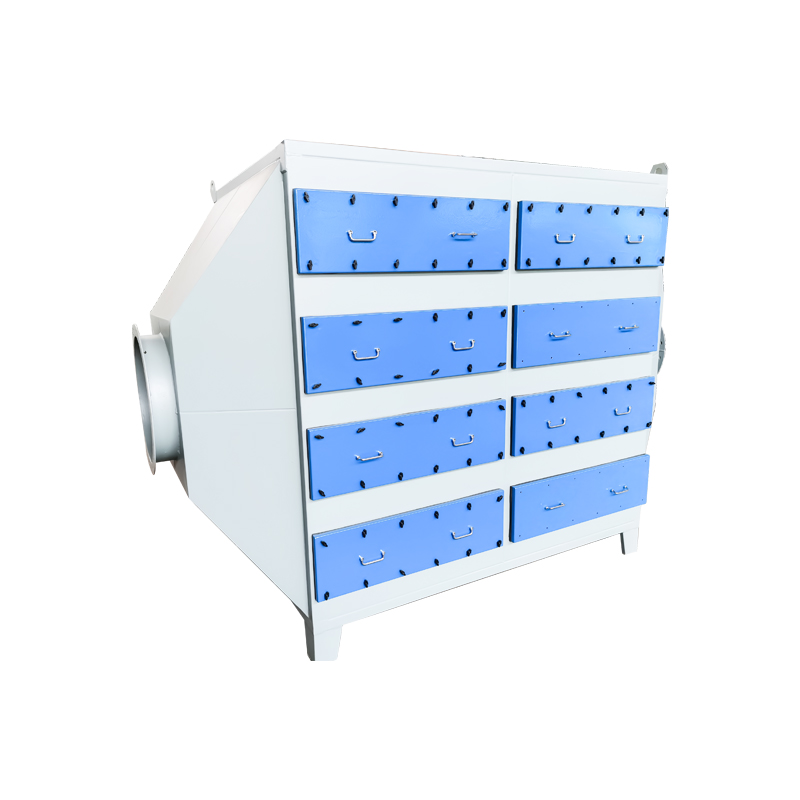
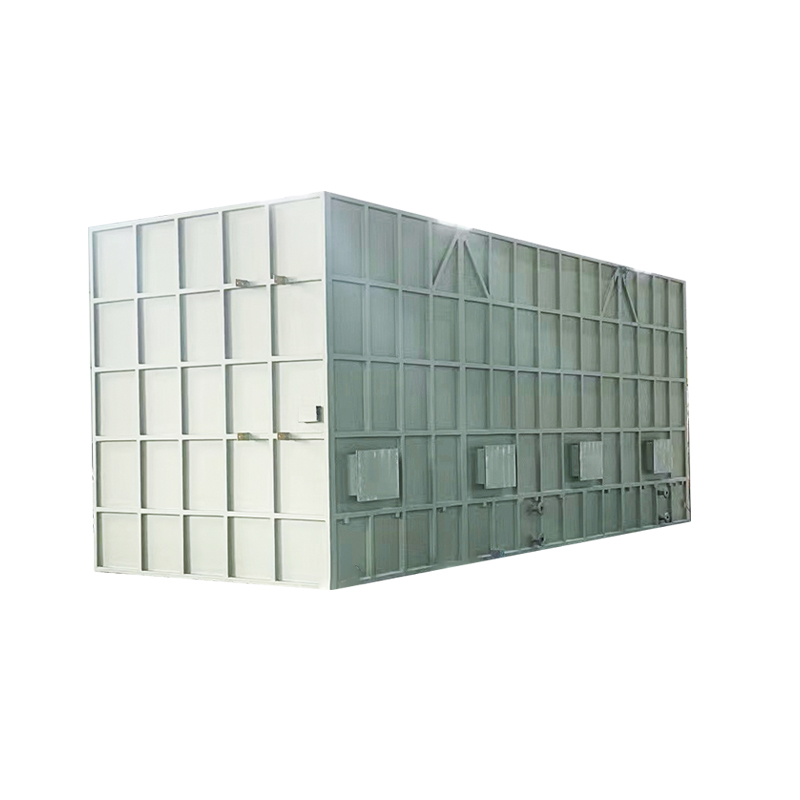
A filter dust collector is an industrial air pollution control device that removes particulate matter from exhaust gases using filter media such as fabric bags, cartridges, or pleated elements. These systems are essential for maintaining workplace air quality, ensuring regulatory compliance, and protecting equipment in industries ranging from pharmaceuticals and chemicals to printing, textiles, electronics, and food processing.
With annual sales exceeding 100 million yuan and over 2,000 successful engineering cases nationwide, filter dust collectors have become the backbone of industrial emission control, helping more than 1,000 corporate customers achieve clean production and environmental compliance.
99.9%Filtration efficiency
2,000+Engineering cases
1,000+Corporate customers served
What Is a Filter Dust Collector
A filter dust collector is a device that uses filter media to separate solid particles from gas streams. It operates by directing contaminated air through a series of filter elements where dust particles are captured on the filter surface while clean air passes through and is discharged or recirculated.
These systems are available in various configurations including baghouse collectors, cartridge collectors, and pleated filter collectors. They can handle a wide range of dust types, from coarse particles to fine particulate matter, making them suitable for diverse industrial applications.
Filtration Efficiency99.5% to 99.99%Depending on filter media and design configuration
Air Flow Capacity1,000 to 500,000+ m³/hCustom engineered for specific application requirements
Operating TemperatureUp to 200°CHigher temperature options available with specialty filter media
Filter Media OptionsPolyester, Nomex, PTFE, FiberglassSelected based on dust characteristics and operating conditions
Cleaning MechanismPulse-jet, reverse air, or mechanical shakingMaintains filter performance and extends service life
ApplicationsPharmaceuticals, chemicals, printing, textiles, food processingBroad industry coverage with specialized designs
How Filter Dust Collectors Work
A filter dust collector operates through a continuous cycle of filtration and cleaning. The basic working principle involves four key stages:
01
Dust-laden air intake
Contaminated air is drawn into the collector through a duct system by an induced draft fan, directing particulate matter toward the filter elements.
02
Filtration and particle capture
Air passes through the filter media where dust particles are trapped on the filter surface while clean air passes through to the outlet.
03
Filter cleaning cycle
Compressed air pulses or mechanical action dislodges accumulated dust from the filter surface, maintaining pressure drop and filtration efficiency.
04
Dust discharge and collection
Dislodged dust falls into a hopper and is discharged through a rotary valve or screw conveyor for disposal or recovery.
Key Features and Benefits
Filter dust collectors offer significant advantages for industrial operations. The key features that make them the preferred choice for dust control include:
PerformanceHigh filtration efficiency
Capable of capturing sub-micron particles with efficiency ratings exceeding 99.9%, ensuring compliance with stringent emission standards.
PerformanceContinuous operation
Online cleaning systems allow uninterrupted operation even during filter cleaning cycles, maximizing production uptime.
FlexibilityVersatile media options
Multiple filter media choices available to handle different dust types, temperatures, and chemical conditions.
FlexibilityModular design
Scalable configurations allow systems to be expanded or modified as production requirements change.
DurabilityRobust construction
Built with heavy-duty materials and corrosion-resistant coatings for long service life in demanding industrial environments.
DurabilityLow maintenance
Designed for easy access to filter elements and minimal routine maintenance requirements.
Filter Types Comparison
Baghouse Collector
Uses fabric filter bags for dust capture
High efficiency for fine particulate matter
Available in pulse-jet, reverse air, and shaker designs
Ideal for high-temperature applications
Common in cement, mining, and steel industries
Cartridge Collector
Uses pleated cartridge filters
Higher filter area in compact footprint
Pulse-jet cleaning for efficient dust removal
Suitable for light to medium dust loads
Common in woodworking, food, and chemical processing
Pleated Filter Collector
Uses high-efficiency pleated filter elements
Highest filtration efficiency for sub-micron dust
Advanced media technology for enhanced performance
Low pressure drop for energy efficiency
Ideal for pharmaceutical and food applications
Applications Across Industries
Filter dust collectors serve a diverse range of industries, addressing unique dust control challenges in each sector:
Pharmaceuticals and Chemicals
Capture fine powders and active ingredients during mixing, granulation, and tablet pressing to protect product quality and operator safety.
Printing and Textiles
Remove lint, paper dust, and fiber particles generated during printing, weaving, and finishing operations.
Electronics and Photovoltaics
Control fine particulate emissions in cleanroom environments and production areas for sensitive electronic components.
Rubber and Plastics
Capture carbon black, rubber dust, and plastic particulates during mixing, molding, and compounding processes.
Food Processing
Control flour, grain dust, sugar, and spice particulates while maintaining sanitation standards and food safety.
Painting and Coatings
Capture overspray and powder coating materials during spray booth operations and finishing processes.
Frequently Asked Questions
What is the difference between a baghouse and a cartridge collector?
Baghouse collectors use long fabric bags and are suitable for high-temperature applications and heavy dust loads. Cartridge collectors use pleated filters in a compact design, offering higher filtration area per unit volume and are better suited for moderate dust loads.
What filtration efficiency can a filter dust collector achieve?
Depending on the filter media and design configuration, filtration efficiencies of 99.5% to 99.99% are achievable, with the ability to capture sub-micron particles.
How often do filters need to be replaced?
Filter replacement frequency depends on dust loading, operating conditions, and filter media type. Typically, replacement intervals range from 1 to 5 years with proper maintenance and cleaning cycles.
What industries use filter dust collectors?
They are used across pharmaceuticals, chemicals, printing, textiles, electronics, rubber, food processing, painting, and many other industries requiring dust control and emission compliance.
Can filter dust collectors handle explosive dusts?
Yes. Explosion venting and isolation systems can be integrated into the collector design for handling combustible dusts in compliance with safety regulations.
What is the typical lifespan of a filter dust collector?
With proper maintenance and operation, a well-designed filter dust collector can last 15 to 25 years or more, with filter elements replaced as needed.
Hangzhou Lvran Environmental Protection Group Co., Ltd. offers comprehensive filter dust collector systems backed by over 2,000 successful engineering cases and 1,000+ corporate customers nationwide. With expertise in pharmaceuticals, chemicals, printing, textiles, electronics, and more, we provide custom-engineered solutions for your specific dust control challenges.


 English
 русский
 عربى
عربى 中文简体
中文简体