English
 русский
 عربى
عربى 中文简体
中文简体
Content
- 1 Understanding the Baghouse Dust Collector
- 2 Exploring Baghouse Filter Cleaning Methods
- 3 Deep Dive into Pulse Jet Baghouse Working Principle
- 4 Industrial Baghouse Dust Collector Design Considerations
- 5 Baghouse Filter Bags Selection Guide
- 6 Essential Baghouse Dust Collector Maintenance Checklist
- 7 Conclusion
- 8 Frequently Asked Questions (FAQs)
- 9 References
Understanding the Baghouse Dust Collector
In the landscape of industrial air pollution control, the baghouse dust collector stands as a primary defense mechanism. This system removes particulate matter from industrial exhaust streams. Engineers design these systems to meet strict environmental regulations. They ensure a safe working environment for plant personnel.
Core Components and Functionality
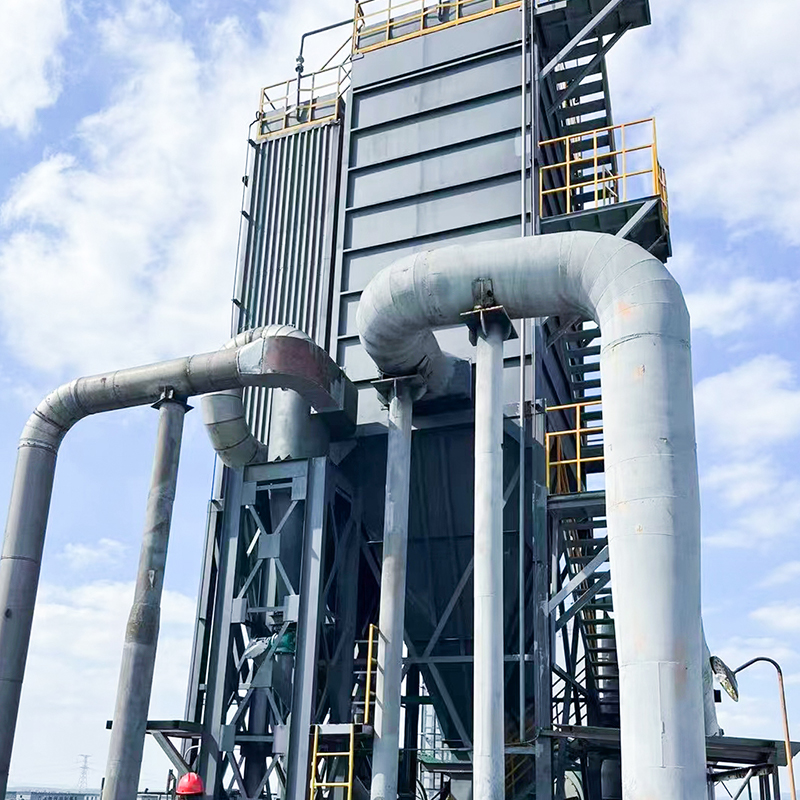
A standard system consists of a housing, filter bags, a cleaning mechanism, and a hopper. Dirty gas enters the collector. The gas passes through filter bags. Dust particles accumulate on the fabric surface. Clean gas exits through the bags into the clean air plenum. This process relies on the fabric's ability to trap particles while allowing air to pass.
Importance of Industrial Air Quality
Industries like cement, steel, and pharmaceuticals generate significant dust loads. Without proper filtration, these particles pose health risks. They also create explosion hazards. An efficient collector captures these pollutants at the source. It ensures compliance with occupational safety standards.
Exploring Baghouse Filter Cleaning Methods
The efficiency of a collector depends heavily on its cleaning capability. As dust accumulates, the pressure drop across the filter increases. Various baghouse filter cleaning methods exist to dislodge this dust cake. The choice of method impacts the operational cost and filter life.
Mechanical Shaking
This is one of the oldest methods. The system uses a motor to shake the bags. This action dislodges the dust cake. It is simple but can cause higher fabric wear.
Reverse Air Flow
This method uses a reverse flow of air to clean the bags. It is gentle on the fabric. Large plants often use this method for high-temperature applications.
Pulse Jet Cleaning Technology
This is the most modern and efficient method. It uses high-pressure air bursts. Engineers must understand the differences between these technologies to select the right equipment.
The following table compares these three cleaning methods:
| Cleaning Method | Operation Mode | Pros | Cons |
| Mechanical Shaking | Offline | Low energy cost, Simple design | High fabric wear, not continuous |
| Reverse Air | Offline | Gentle on bags, Good for high temp | Requires multiple compartments |
| Pulse Jet | Online | Continuous operation, High efficiency | Higher compressed air usage |
Deep Dive into Pulse Jet Baghouse Working Principle
The pulse jet baghouse working principle is the industry standard for many modern applications. It allows for continuous operation without shutting down the process for cleaning. This capability is vital for 24/7 industrial operations.
The Filtration Cycle
Dust-laden air enters the hopper or housing. The air flows upward through the bags. Dust collects on the outside of the bag. A cage inside the bag supports the fabric. The clean air passes through the bag and exits the unit.
The Cleaning Sequence
Compressed air is stored in a reservoir. A timer or pressure differential controller triggers solenoid valves. These valves release a short burst of high-pressure air into the bags. This burst creates a shock wave. The wave expands the bag and dislodges the dust cake. The dust falls into the hopper.
Pressure Drop Management
Engineers monitor the pressure drop across the tubesheet. A high pressure drop indicates clogged bags. The pulse jet system maintains an optimal pressure drop by cleaning the bags on demand. This automation improves energy efficiency.
Industrial Baghouse Dust Collector Design Considerations
Effective industrial baghouse dust collector design requires precise engineering calculations. A poorly designed system can lead to high energy costs and insufficient dust capture. Engineers must balance airflow, filter area, and structural integrity.
Air-to-Cloth Ratio Calculations
The air-to-cloth ratio is a critical design parameter. It represents the amount of gas passing through one square foot of filter media. A ratio that is too high results in blinding the bags. A ratio that is too low increases the physical size and cost of the unit.
Can Velocity and Hopper Design
Can velocity refers to the upward air speed in the bag section. High velocity prevents dust from settling into the hopper. It causes dust to re-entrain on the bags. The hopper design must ensure smooth dust discharge.
Housing and Durability Standards
The housing must withstand the static pressure of the system. Engineers must consider corrosion resistance. Insulation is often necessary to prevent condensation. Moisture can blind the filter bags and cause rust.
Baghouse Filter Bags Selection Guide
Filter bags are the heart of the system. The correct selection determines the system's longevity. This baghouse filter bags selection guide outlines the technical criteria for choosing the right media.
Material Compatibility
The dust chemical composition dictates the fiber choice. Acidic gases require different materials than alkaline dust. Hydrolysis resistance is necessary in moist environments.
Temperature and Chemical Resistance
Operating temperature is a primary selection factor. Standard polyester works well up to 150°C. High-temperature applications require aramid or fiberglass. Engineers must verify the dew point to avoid condensation.
The table below highlights common filter media properties:
| Filter Media | Max Temp (°C) | Chemical Resistance | Best Application |
| Polyester | 150 | Good for most acids | Woodworking, General dust |
| Polypropylene | 95 | Excellent acid/alkali | Chemical processing |
| Aramid (Nomex) | 200 | Good for alkali | Asphalt, Smelters |
| PTFE | 260 | Superior chemical resistance | High-temp incineration |
Essential Baghouse Dust Collector Maintenance Checklist
Regular maintenance extends equipment life. It prevents costly unplanned shutdowns. A comprehensive baghouse dust collector maintenance checklist should be part of any facility's SOP.
Daily and Weekly Inspections
- Check the differential pressure gauge readings.
- Inspect the hopper discharge valves for proper operation.
- Listen for any unusual noises from the cleaning system.
- Verify that the compressed air pressure is within the design range.
Preventive Maintenance Scheduling
Preventive maintenance involves scheduled downtime. Technicians should inspect the condition of filter bags regularly. They must check for bag tension and cage integrity. The pulse valve diaphragms are wear items. They require periodic replacement. Lubrication of rotary airlocks ensures a consistent seal.
Conclusion
A baghouse dust collector is a vital component for industrial compliance and safety. Engineers must understand the design parameters and cleaning mechanisms. Proper selection of filter media and a strict maintenance schedule ensure optimal performance. This investment protects both the environment and the workforce.
Frequently Asked Questions (FAQs)
- What causes a high-pressure drop in a baghouse?
A high pressure drop usually indicates that the filter bags are blinded or clogged. This condition can result from excessive dust loading, moisture condensation, or a failed cleaning system. - How often should filter bags be replaced?
The service life of filter bags varies by application. Under normal conditions, bags last between 2 and 5 years. Regular monitoring of emissions and pressure drop helps determine the exact replacement time. - Can a baghouse handle explosive dust?
Yes, standard baghouses can be modified for explosive dust. Engineers incorporate explosion vents, spark detection, and suppression systems. The housing must be reinforced to withstand potential pressure waves.
References
- Environmental Protection Agency (EPA). "Fabric Filters - Baghouse Inspection and Evaluation Manual." EPA-340/1-78-006.
- ACGIH. "Industrial Ventilation: A Manual of Recommended Practice for Design."
- National Fire Protection Association (NFPA). "Standard for the Prevention of Fires and Dust Explosions." NFPA 654.
- Heumann, William L. "Industrial Air Pollution Control Systems." McGraw-Hill Professional.
- Parker, Kenneth R. "Applied Electrostatic Precipitation." Blackie Academic & Professional.