English
 русский
 عربى
عربى 中文简体
中文简体
Content
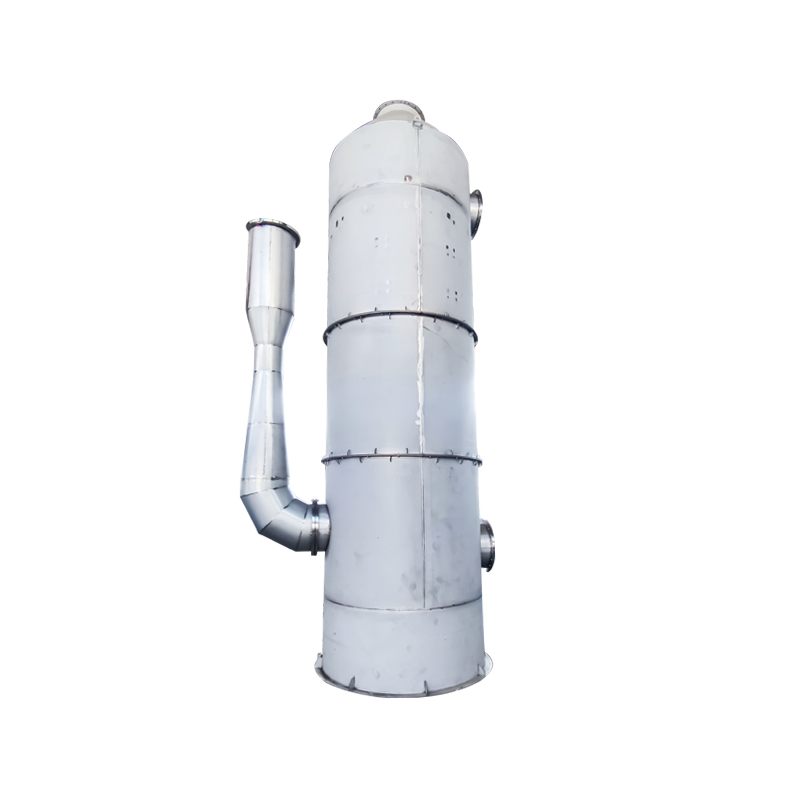
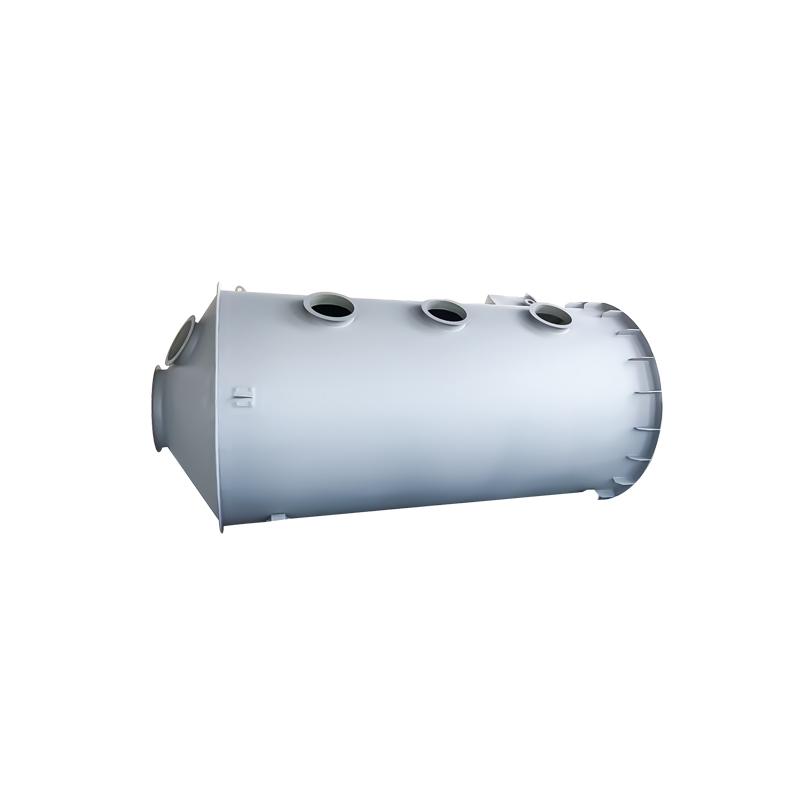
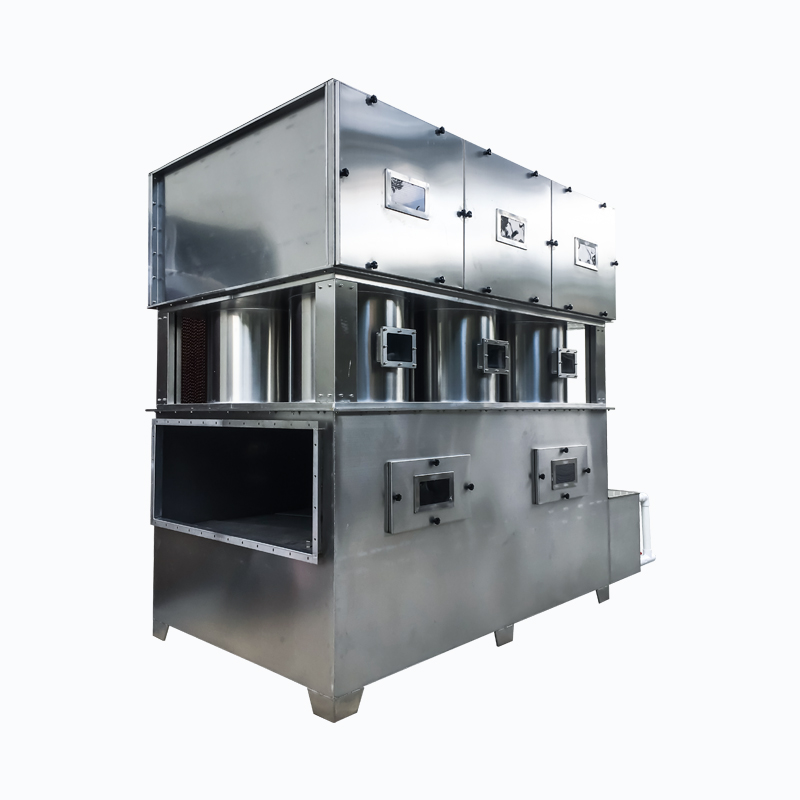
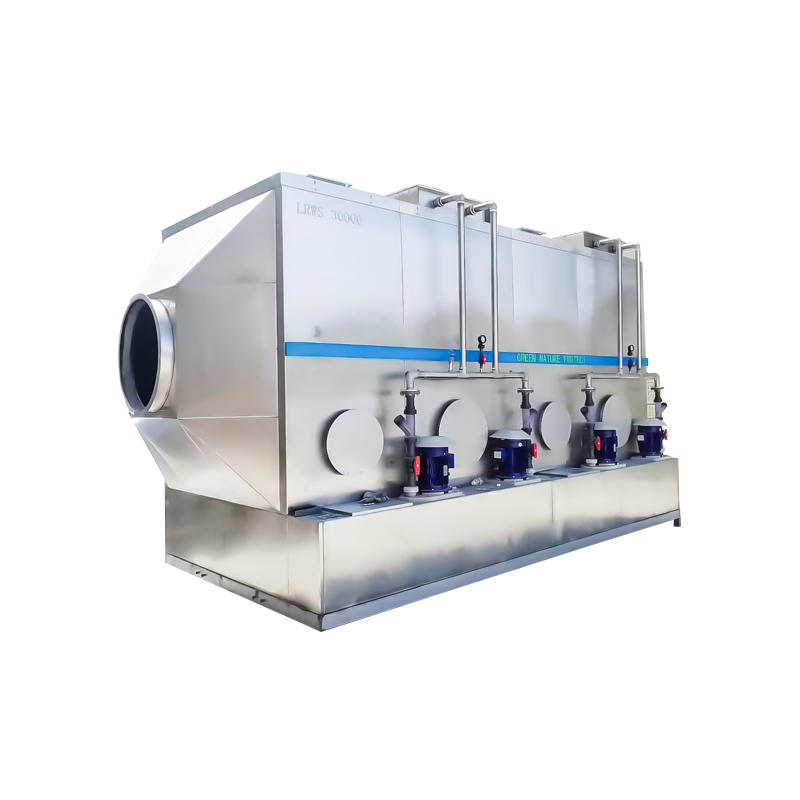
In the contemporary landscape of industrial environmental compliance, the mitigation of hazardous air pollutants has become a cornerstone of sustainable operational strategies. Among the various technologies available, the chemical scrubber stands out as a highly efficient and versatile system designed to neutralize harmful gases through targeted chemical reactions. Established in April 2011, Hangzhou Lvran Environmental Protection Group Co., Ltd. has emerged as a premier waste gas treatment system service provider and equipment manufacturer. As a national high-tech enterprise with an AAA-level corporate credit rating, we integrate scientific research, design, manufacturing, and installation into a seamless service model. Our group boasts a robust R&D infrastructure, featuring partnerships with prestigious institutions like Zhejiang University of Technology and Anhui University of Science and Technology. With over 30 utility model patents and a dedicated team of professor-level senior engineers and registered environmental engineers, we have successfully implemented more than 2,000 engineering cases nationwide. Our expertise spans diverse sectors, including pharmaceutical chemicals, electronics, photovoltaics, and hazardous waste disposal. By leveraging our "Second-level qualification for general contracting of municipal public works construction" and ISO-certified management systems, we provide comprehensive treatment technologies that not only meet stringent regulatory standards but also prioritize energy efficiency and long-term reliability for over 1,000 corporate customers.
- High removal efficiency for a wide spectrum of soluble and reactive gaseous pollutants.
- Robust structural design using corrosion-resistant materials such as FRP, PP, or stainless steel.
- Advanced automation capabilities for real-time pH and ORP (Oxidation-Reduction Potential) monitoring.
- Scalable configurations ranging from small laboratory units to large-scale industrial towers.

1. Mechanisms of Neutralization for Acidic Exhaust Streams
Industrial processes often generate high concentrations of acid gases, such as hydrochloric acid (HCl), sulfuric acid (H2SO4), and nitric acid (HNO3), which are highly corrosive and hazardous to both human health and infrastructure. Utilizing a chemical scrubber for acidic exhaust gas neutralization involves an absorption process where an alkaline scrubbing liquid—typically sodium hydroxide (NaOH) or calcium hydroxide (Ca(OH)2)—is sprayed into the gas stream. The resulting acid-base neutralization reaction converts volatile acids into stable, non-toxic salts that can be safely processed through wastewater treatment systems. The efficiency of this process is heavily dependent on the gas-liquid contact time and the alkalinity of the scrubbing medium. Hangzhou Lvran Group utilizes specialized fluid dynamics modeling to optimize nozzle placement and packing media density, ensuring that even high-velocity exhaust streams achieve maximum residence time. This technical precision is vital for industries such as semiconductor manufacturing and chemical synthesis, where zero-tolerance for acid escape is the operational standard.
- Precision dosing systems to maintain optimal stoichiometric ratios for chemical savings.
- Multi-stage scrubbing configurations for ultra-high concentration acid gas streams.
- Integrated mist eliminators to prevent liquid carry-over into the atmosphere.
| Scrubbing Medium | Target Acid Gas | By-Product Formation |
| Sodium Hydroxide (NaOH) | HCl, SO2 | Sodium salts (Highly soluble) |
| Calcium Hydroxide (Ca(OH)2) | HF, H2SO4 | Calcium salts (Low solubility) |
2. Engineering Design for Hydrogen Sulfide Removal
Hydrogen sulfide (H2S) is a particularly challenging pollutant due to its toxicity, corrosiveness, and potent "rotten egg" odor at extremely low concentrations. Effective industrial chemical scrubber design for hydrogen sulfide removal requires a sophisticated understanding of gas-phase mass transfer and chemical kinetics. For H2S, oxidative scrubbing is often employed, utilizing sodium hypochlorite (NaOCl) or hydrogen peroxide (H2O2) to oxidize the sulfide ions into sulfates or elemental sulfur. This prevents the off-gassing of odors and protects downstream equipment from hydrogen embrittlement. Lvran's R&D center focuses on the development of high-efficiency packing materials that provide a large specific surface area without excessive pressure drop. Our designs incorporate redundant circulation pumps and secondary safety interlocks to ensure that the chemical scrubber remains operational during peak loading periods in municipal wastewater facilities or rubber manufacturing plants. By integrating our patented "Environmental Protection Innovation" technologies, we help clients achieve H2S removal efficiencies exceeding 99%.
- Strategic use of redox-controlled chemical dosing to manage volatile organic sulfur compounds.
- Corrosion-proof internal components to handle highly oxidative scrubbing solutions.
- Optimized liquid-to-gas (L/G) ratios to reduce operational water consumption.
| Design Parameter | H2S Concentration < 50 ppm | H2S Concentration > 500 ppm |
| Scrubber Type | Single-stage Spray Tower | Multi-stage Packed Bed |
| Contact Time | 2.0 - 3.0 Seconds | 4.5+ Seconds |
3. Performance and Efficiency in Odor Control
The industrial sector frequently deals with complex mixtures of odors, including ammonia, mercaptans, and amines, which can lead to community complaints and regulatory fines. Evaluating wet chemical scrubber efficiency for industrial odor control is a multi-dimensional task that involves measuring the reduction of specific chemical concentrations as well as the overall dilution-to-threshold (D/T) ratio. Wet scrubbers facilitate the capture of these compounds by utilizing a scrubbing liquid tailored to the solubility and reactivity of the specific odorants. Hangzhou Lvran Environmental Protection Group employs advanced sensor arrays to monitor the exhaust in real-time, allowing for dynamic adjustments to chemical feed rates. This ensures that the system maintains peak efficiency even as production cycles fluctuate. Our engineering strength in this field is evidenced by our 2,000+ national engineering cases, where we have solved odor challenges in industries ranging from food processing to hazardous waste disposal, consistently protecting the environment with a professional and responsible attitude.
- Biological-chemical hybrid systems for complex, low-solubility odor mixtures.
- High-performance surfactants to enhance the capture of hydrophobic organic odors.
- Data-driven maintenance intervals to prevent the buildup of biological films on packing.
4. Comparing Packed Bed and Spray Tower Architectures
When selecting a system, engineers must perform a detailed comparison of packed bed vs spray tower chemical scrubber designs based on the physical properties of the exhaust gas. Spray towers are often preferred for gases containing high particulate loads, as they lack internal packing that could become fouled. Conversely, packed bed scrubbers offer significantly higher surface area for gas-liquid interaction, making them the superior choice for high-efficiency gas absorption. Hangzhou Lvran Group provides customized design consultations to determine the optimal architecture for each client's specific waste gas profile.
| Criterion | Packed Bed Scrubber | Spray Tower Scrubber |
| Particulate Tolerance | Low (Prone to clogging) | High (Open design) |
| Gas Absorption Efficiency | Highest (High surface area) | Moderate |
| Maintenance Needs | Packing cleaning required | Lower (No packing) |
5. Maintenance and Operational Safety Checklist
The longevity and efficiency of a gas treatment system are directly linked to the rigor of its maintenance regime. Implementing a comprehensive chemical scrubber maintenance checklist for manufacturing plants is essential to prevent unplanned downtime and ensure continuous compliance. Key items include the inspection of spray nozzles for clogging, the verification of pump mechanical seals, and the calibration of pH and ORP probes. As a provider with "Safety Production Licenses" and multiple ISO certifications, Hangzhou Lvran Group emphasizes that proactive maintenance also includes the inspection of the structural shell for UV degradation or chemical stress cracking. Our nationwide service network and production bases in cities like Suzhou, Nantong, and Qingdao provide rapid support for spare parts and on-site technical evaluations. By serving more than 1,000 corporate customers, we have refined our after-sales protocols to ensure that every chemical scrubber we manufacture remains a reliable guardian of air quality for years to come.
- Bi-annual inspection of packing media for mineral scaling and debris.
- Monthly calibration of automatic chemical dosing controllers.
- Verification of fan vibration and airflow rates to ensure design velocities are maintained.
FAQ
What is the typical removal efficiency of a chemical scrubber?
For soluble pollutants like HCl or ammonia, the removal efficiency of a properly designed chemical scrubber can exceed 99%. However, the overall wet chemical scrubber efficiency for industrial odor control depends on the solubility of the specific pollutants and the L/G ratio of the system. Hangzhou Lvran Group utilizes specialized modeling to ensure that our systems consistently exceed local emission requirements.
How do I choose between a packed bed and a spray tower?
In a comparison of packed bed vs spray tower chemical scrubber, the decision hinges on particulate concentration. If the gas stream is clean and high absorption efficiency is needed, a packed bed is ideal. If the gas contains dust or sticky substances that could clog packing, a spray tower is the safer choice to maintain continuous operation without clogging.
Which chemicals are best for neutralizing H2S?
In an industrial chemical scrubber design for hydrogen sulfide removal, sodium hydroxide (NaOH) is used for simple absorption, but for complete odor destruction, an oxidant like sodium hypochlorite (NaOCl) is often added. This converts H2S into non-volatile sulfur compounds, ensuring the odor does not return further down the waste stream.
What maintenance is required for acidic gas scrubbers?
A chemical scrubber maintenance checklist for manufacturing plants dealing with acids must prioritize the inspection of the circulation pump's chemical resistance and the integrity of the alkali dosing tank. Probes must be cleaned frequently as acid mist can cause buildup that leads to inaccurate pH readings, potentially leading to under-neutralization.
Can a chemical scrubber handle VOCs?
While a chemical scrubber is excellent for acids and odors, its effectiveness for VOCs depends on the solvent's solubility. For many VOCs, Lvran integrates advanced technologies like plasma energy environment systems or activated carbon secondary stages to ensure full compliance with volatile organic compound regulations.