English
 русский
 عربى
عربى 中文简体
中文简体How to Choose VOCs Abatement Equipment for Industrial Exhaust Streams: A Selection Guide
HOME / NEWS / Industry News / How to Choose VOCs Abatement Equipment for Industrial Exhaust Streams: A Selection Guide

Content
Picture a pharmaceutical plant where the solvent composition changes from batch to batch. One day the exhaust stream is rich in ethanol, the next it is dominated by toluene and ethyl acetate. If the VOCs abatement equipment was selected from a single gas sample, it can quickly become a source of downtime, odor complaints, and regulatory exposure.
The conclusion up front: there is no universal VOCs abatement technology. The right system depends on four variables—flow rate, VOC concentration, temperature, and the chemical properties of the contaminants. Once you understand those inputs, the technology choice becomes much easier.
VOCs abatement equipment is any engineered set of components that removes, destroys, or recovers volatile organic compounds from an industrial exhaust stream. It can be as simple as an adsorption skid, or as complete as a multi-stage system with pretreatment, oxidation, and heat recovery.
Industrial VOC sources are not the same everywhere. Coating lines, printing presses, pharmaceutical reactors, chemical storage, and semiconductor fabs each produce a different gas profile. That is why manufacturers offer several technology families rather than a single universal unit.
Adsorption is often the first answer for large air volumes at low to moderate VOC concentrations. Activated carbon traps organic molecules inside its pore structure, and the clean air continues to the stack. When the media is saturated, operators must replace it, regenerate it, or desorb it with hot gas. The operating cost is therefore tied directly to media life.
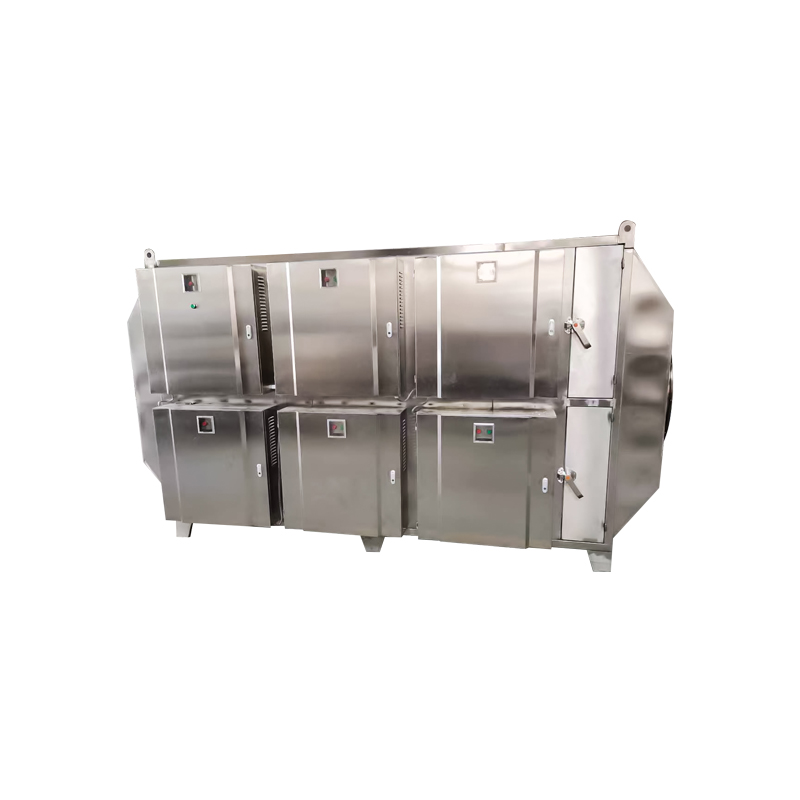
For pharmaceutical and chemical exhaust streams where carbon needs frequent inspection, a drawer-type 304 stainless steel activated carbon adsorption box allows operators to open the access door and check the carbon without breaking the pipework. Before specifying an adsorber, it is worth reviewing how activated carbon service life is calculated, since the replacement schedule will dominate long-term cost.
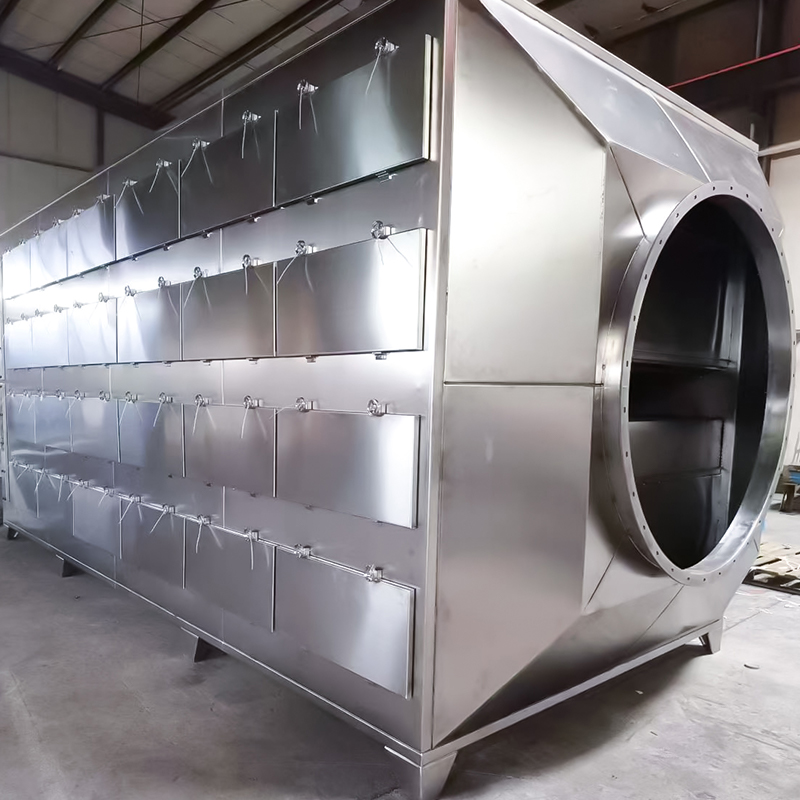 Wholesale 304 stainless steel activated carbon adsorption box drawer structure SHangzhou Lvran Environmental Protection Group Co., Ltd. Is China Wholesale 304 stainless steel activated carbon adsorption box drawer str...View Product →
Oxidation is the standard approach when you need high destruction efficiency. Thermal oxidizers operate roughly between 760°C and 870°C, while catalytic oxidizers use a catalyst to lower the working temperature to about 300°C to 400°C, which cuts fuel consumption. Oxidation is usually the most compact and reliable way to meet stringent emission limits.
For continuous processes with a stable flow and moderate concentration, catalytic combustion equipment is often a better choice than a straight thermal oxidizer because of lower energy use and heat recovery potential. But catalysts are sensitive to poisoning, so streams containing sulfur, chlorine, or silicones need upstream protection or a different process.
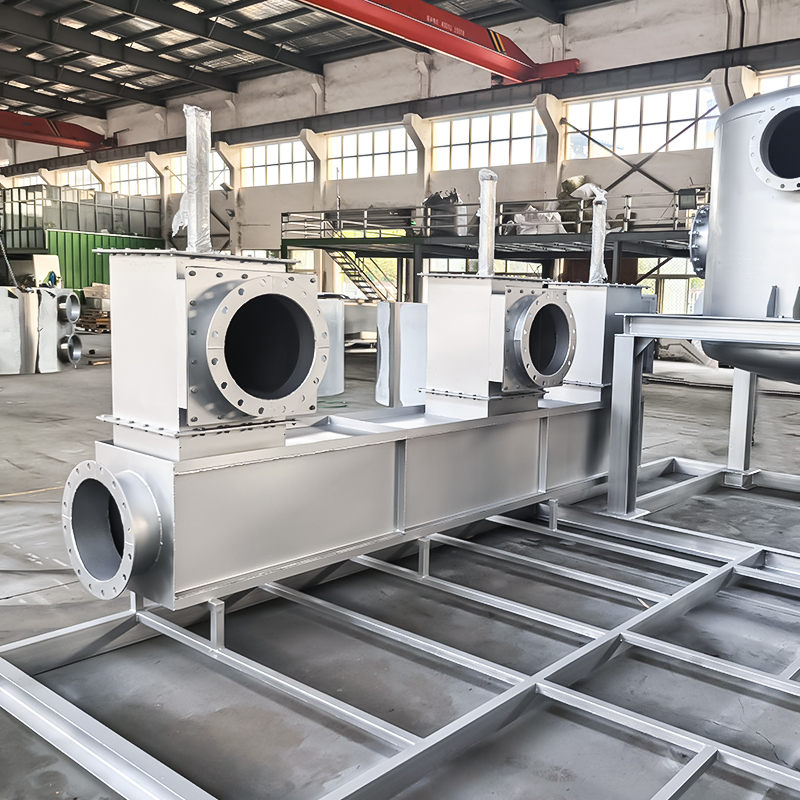 Wholesale Catalytic combustion equipment Suppliers, Exporter, CompanyHangzhou Lvran Environmental Protection Group Co., Ltd. Is China Wholesale Catalytic combustion equipment Suppliers, Exporter, Company,View Product →
Biological systems use microorganisms to decompose VOCs and odors at ambient temperature. They are best suited to low concentrations and water-soluble, biodegradable compounds. Operating costs are low because there is no fuel burner and little energy input, but the footprint is large and the biology needs stable conditions to keep working.
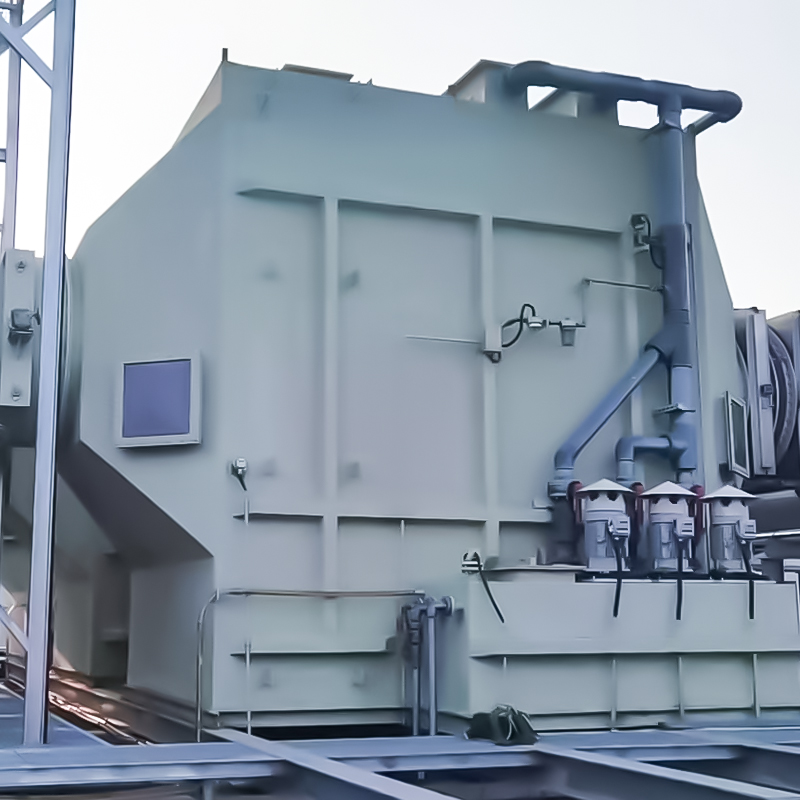
When the exhaust contains a mix of low-concentration VOCs and odorous compounds, a biological deodorization box can handle both in one pass. This is common in food processing, wastewater treatment, and chemical blending plants.
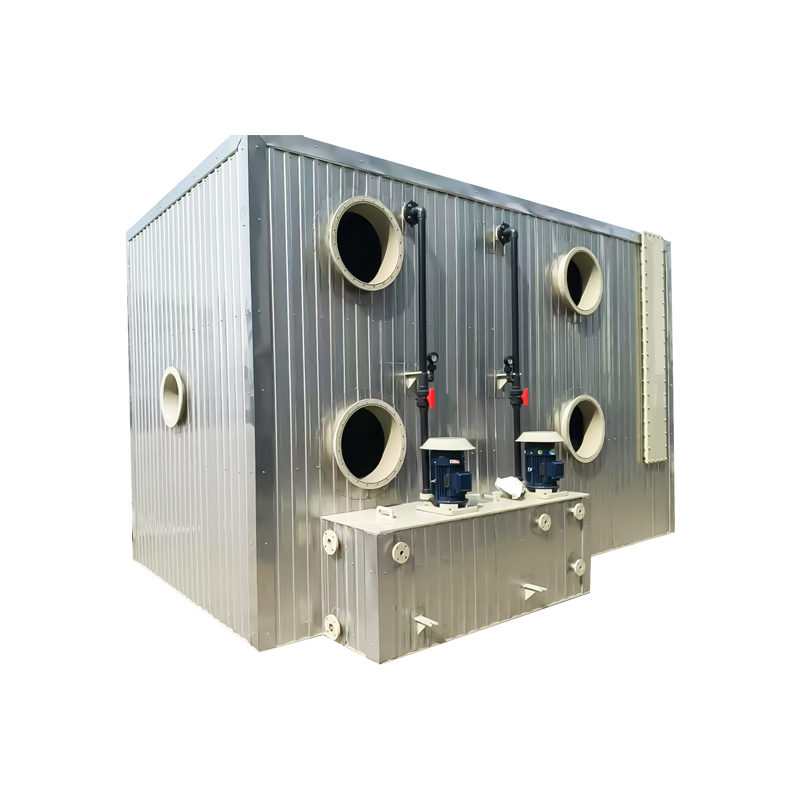 Wholesale Biological deodorization box Suppliers, Exporter, CompanyHangzhou Lvran Environmental Protection Group Co., Ltd. Is China Wholesale Biological deodorization box Suppliers, Exporter, Company, Pro...View Product →
Wet scrubbers transfer soluble VOCs from the gas phase into a liquid stream. They are widely used for acid gases and ammonia, but they can also remove water-soluble solvents such as methanol and acetone. However, most aromatic hydrocarbons are poorly soluble in water, so scrubbing alone is rarely enough for a full VOC limit.
Condensation recovers VOCs by cooling the gas to a temperature where the solvent condenses. It is best for high-concentration, condensable vapors, and is usually combined with another technology to capture the non-condensed fraction.
This table summarizes the main technology families. Use it as a starting point, not a substitute for a mass balance and pilot test.
| Technology | Typical VOC Load | Best Suited For | Main Limitation |
|---|---|---|---|
| Adsorption | Low to moderate, high air flow | Low-concentration VOCs, solvent recovery with desorption | Regular media replacement and disposal |
| Catalytic oxidation | Moderate, continuous | Stable streams needing high destruction efficiency | Catalyst poisoning by sulfur or chlorine |
| Biological treatment | Low, biodegradable | Odors and dilute VOCs | Large footprint, slow response to spikes |
| Wet scrubbing | Dependent on solubility | Water-soluble solvents and acid gases | Liquid waste handling |
The selection process starts with these questions.
Determine the exhaust volume in cubic meters per hour and the VOC load in milligrams per cubic meter or parts per million. A high-volume, low-concentration stream can be handled by adsorption, often with a concentrator wheel before oxidation. A high-concentration stream from reactors or dryers may justify direct oxidation with heat recovery.
Check whether the stream contains chlorinated, sulfurated, or silicon compounds. Some VOCs poison catalysts, others condense in ducts, and a few are difficult to oxidize completely. If the solvent mix changes from batch to batch, design for the worst case and control the inlet concentration.
The cheapest equipment to buy is often the most expensive to run. Compare fuel consumption, electrical demand, media replacement, catalyst life, and waste disposal. For example, an adsorption system may have a lower first cost than a catalytic oxidizer, but the carbon replacement cost can exceed the oxidizer fuel bill in two years.
Emission regulations are tightening in many industrial regions. Select a technology with some headroom, include sample ports and maintenance platforms, and think about whether the system can be upgraded if the process line expands or the solvent composition changes.
VOCs abatement is rarely an off-the-shelf product. The collection hoods, duct network, fan, damper controls, and stack all affect whether the treatment unit meets its guarantee. A supplier who only sells a single reactor leaves you to integrate the surrounding components yourself.
That is why system-level experience matters as much as the equipment itself. Hangzhou Lvran Environmental Protection Group operates as a system provider, covering design, manufacturing, installation, and after-sales service. Its product range extends from the treatment equipment to the fans and air ducts that connect the process to the stack. For corrosive fumes, this includes PP, FRP, and stainless steel options selected for long service life without unexpected leaks.
If you want to see how the layout and control strategy affect real results, our article on odor and organic waste gas treatment design efficiency explains the design choices that prevent bypass and short-circuiting. When you have your process data, contact our engineering team for a system-level proposal rather than a budget quote.
No single VOCs abatement equipment fits every plant. The successful projects start with accurate data on flow, concentration, composition, and variability, then match that data to a technology that balances destruction efficiency, operating cost, and future compliance. A full-system supplier can take responsibility for the integration and performance, which is often the least risky path in the long run.
Request for a call today