English
 русский
 عربى
 中文简体
Biotrickling Filter: How It Works, Design Parameters, and System Selection
HOME / NEWS / Industry News / Biotrickling Filter: How It Works, Design Parameters, and System Selection

Content
Wastewater plants, food processing facilities, and pharmaceutical sites often face the same problem: a persistent odor that travels beyond the property line and triggers complaints. A biotrickling filter is one of the most cost-effective ways to remove such pollutants before exhaust air reaches the atmosphere. Unlike carbon adsorption, it does not require frequent media replacement, and unlike a chemical scrubber, it produces no hazardous spent solvent. This article explains how the technology works, where it makes sense, and which design parameters determine whether the system will meet your discharge requirements.
A biotrickling filter is a biological air treatment system in which contaminated gas passes through a packed bed of inert media. A recirculating liquid stream keeps the packing moist and carries nutrients to the microorganisms that grow on the media surface. The pollutants dissolve into the water film, and biofilm bacteria oxidize them into carbon dioxide, water, sulfate, and nitrate. This process is especially effective for hydrogen sulfide, ammonia, reduced sulfur compounds, and many odorous VOCs.
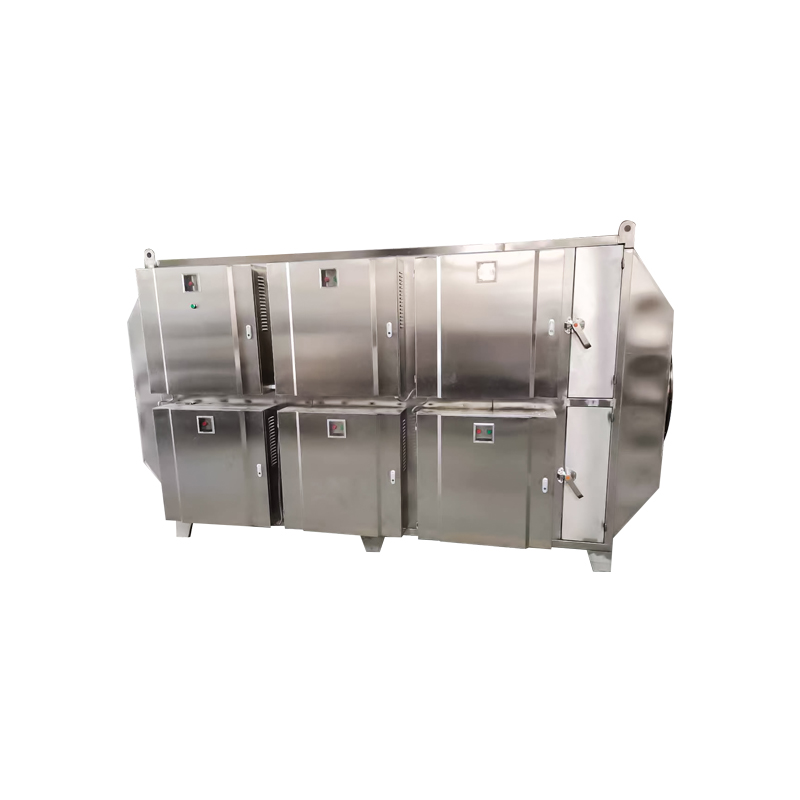
 Combined Biological Scrubbing and Trickling Filtration Deodorization UnitThis unit integrates biological scrubbing, trickling filtration, and filtration to treat odorous gas. It pre-treats gas with water or chemicals, then degrades pollutants in a multi-stage biofilm bed, ensuring standard-compliant emissions.View Product →
The key difference from a conventional biofilter is the moving water phase. In a biofilter, the gas is humidified and the supporting medium is organic materials such as compost or wood chips, so moisture control is less precise. In a biotrickling filter, the medium is inert and the liquid is actively recirculated, which allows operators to manage pH, nutrient dosing, and temperature more accurately. That control matters when the incoming gas is variable in concentration or has an acidic by-product load.
The commercial appeal of a biotrickling filter is its low lifecycle cost. The packing media is inert, so it does not lose adsorption capacity like activated carbon. The bacteria consume the pollutants, and the only consumables are water, electricity, and a small amount of nutrient solution. Energy demand is limited to the fan and the recirculation pump, which means operating expenses remain low even for continuous duty.
There are also engineering constraints. The system needs a start-up period for biofilm development, typically two to six weeks. High concentrations of chlorinated solvents or inert dust can inhibit biological activity. In cold climates, the gas and liquid temperatures must be maintained above about 10°C to keep removal stable. Facilities that generate very high inlet levels of alcohols or ketones may still need a physical-chemical pretreatment step before the biological stage.
A chemical scrubber remains a strong alternative when the main contaminants are highly water-soluble acids or alkalis. The choice should be based on inlet concentration, gas flow, and the operational burden you can accept. This is why it helps to compare a chemical scrubber vs. a biological option during the early design phase.
The performance of a biotrickling filter is governed by a set of measurable variables. The most critical one is the empty bed residence time, which is the gas volume divided by the airflow rate. Reducing the residence time below around 15 seconds usually causes breakthrough. The pH of the recirculation water must remain near neutral to avoid suppressing the biofilm bacteria that oxidize hydrogen sulfide. The table below summarizes typical ranges for common design inputs.
| Parameter | Typical Range | Why It Matters |
|---|---|---|
| Empty Bed Residence Time (EBRT) | 15-40 s | Controls the time available for pollutants to transfer into the biofilm |
| pH in Recirculation Water | 6.5-8.5 | Supports sulfur-oxidizing and nitrifying bacterial activity |
| Gas Temperature | 15-40°C | Biological degradation slows below 10°C |
| Packing Specific Surface Area | 200-800 m²/m³ | Higher surface area favors biofilm colonization |
| Irrigation Density | 1-3 m³/(m²·h) | Keeps biofilm moist and washes out acidic by-products |
| Nutrient Dosing Ratio | C:N:P 100:10:1 | Maintains microbial growth and enzyme production |
These ranges are starting points, not fixed rules. A unit designed for 20 seconds EBRT may be adequate for a municipal odor stream, while a pharmaceutical application with soluble organic compounds may require a longer residence time.
Biotrickling filters are strongest at low concentration, high flow odorous air. Municipal wastewater lift stations and sludge dewatering rooms are the most common examples, but food processing, pharmaceutical manufacturing, and laboratory exhaust streams also benefit from the same principle. In many projects, the unit sits at the end of a treatment train after a water scrubber or dust removal device, acting as a polishing step for odors that would otherwise be difficult to remove.
For example, if your gas contains low levels of ammonia along with hydrogen sulfide, the biotrickling filter can oxidize both without the need for a chlorinated caustic scrubbing liquid. If the stream also includes sticky organic aerosols, a cyclone spray tower or wet scrubber should be placed upstream to prevent fouling of the packing. When the biological membrane is established, the system can run with minimal operator attention and no chemical inventory.
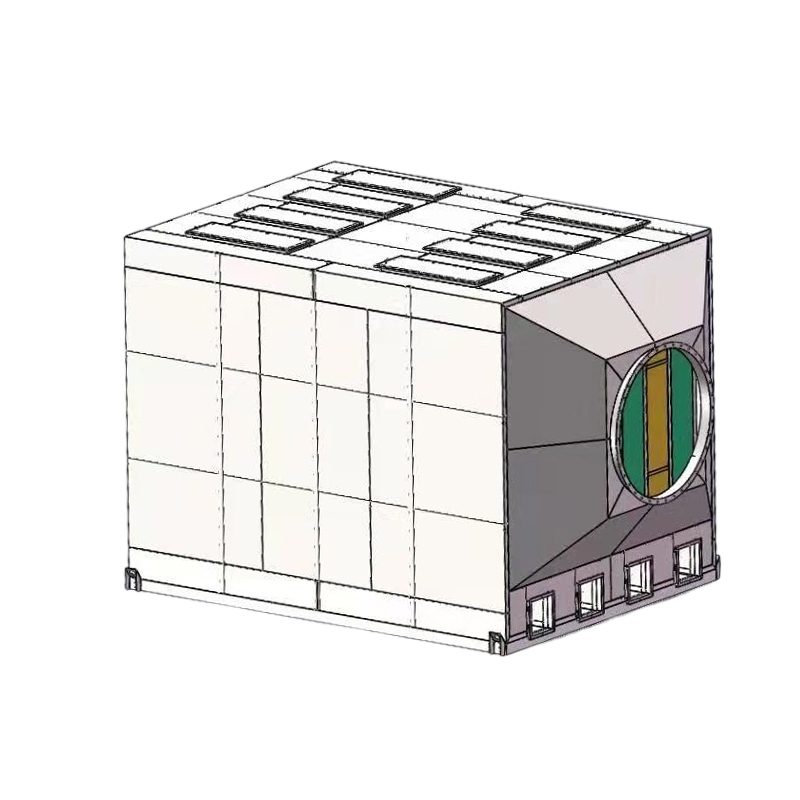
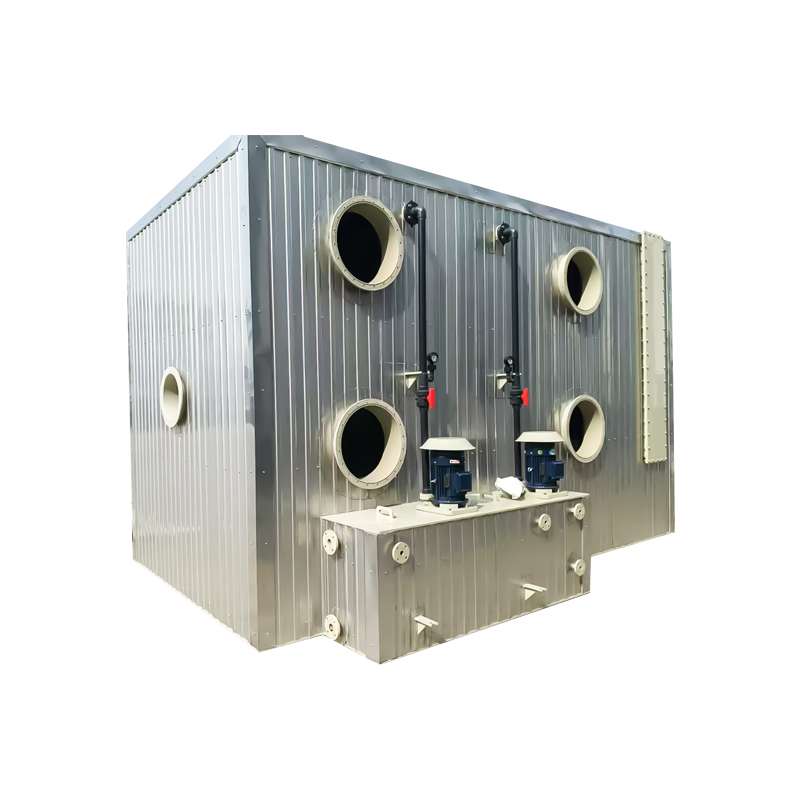 Biological Deodorization Box for Odor Control in Various IndustriesSuitable for livestock farms, food plants, and wastewater treatment, this box removes sulfur and nitrogen compounds. It combines biological scrubbing and filtration, using microorganisms to degrade odors effectively.View Product →
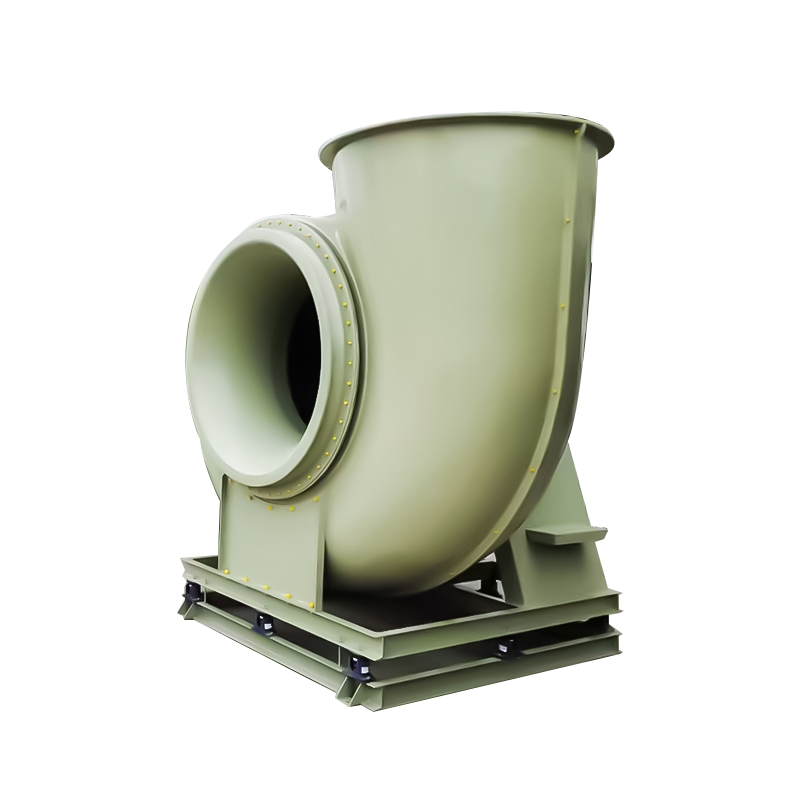
A biotrickling filter is not a stand-alone vessel. It needs the right fan to overcome the pressure drop through the packing, corrosion-resistant ductwork, a recirculation pump, and a small nutrient dosing unit. The selected materials must match the gas chemistry. FRP or PP housings are a common choice for humid, sulfurous environments, while stainless steel is used where higher mechanical strength or temperature limits are required.
For facilities that handle aggressive acidic gas upstream, the FRP-grade biological deodorization filter is worth evaluating. It combines the biological treatment principle with a corrosion-resistant enclosure, which reduces maintenance cost over the life of the system.
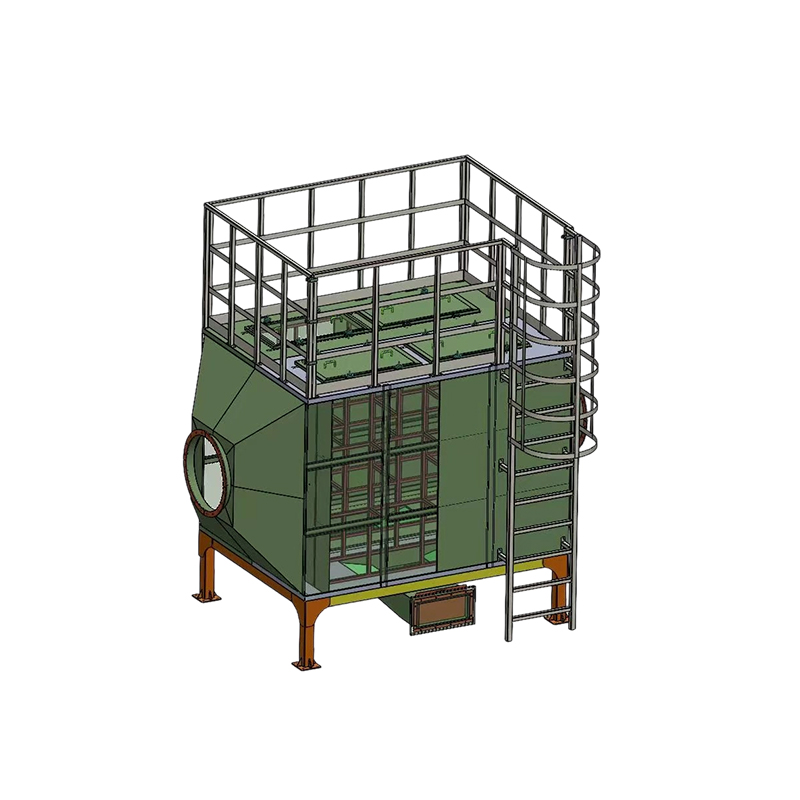
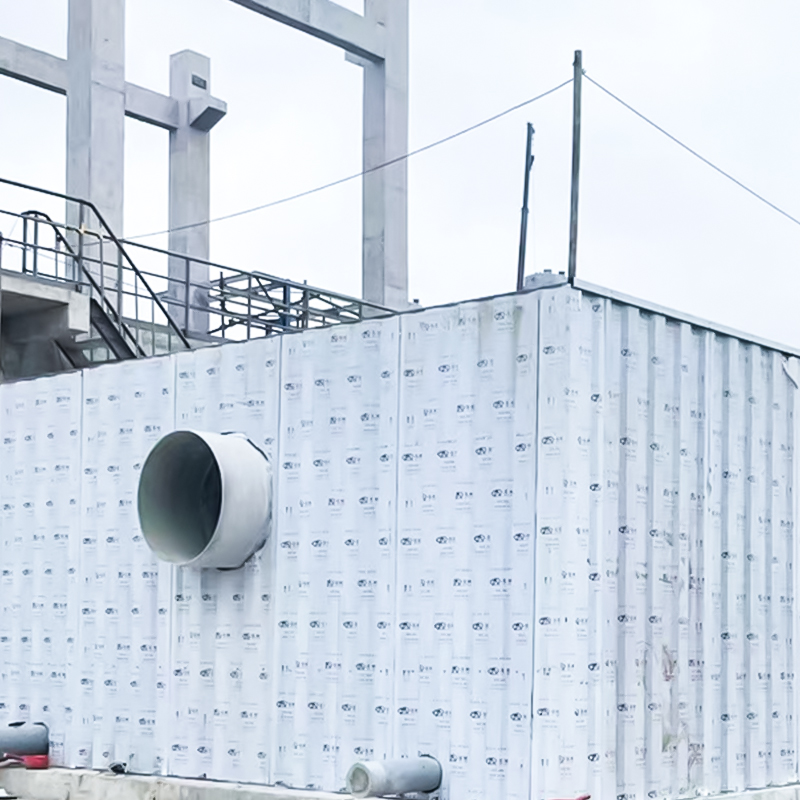 Corrosion-Resistant FRP Biological Filter for Odor RemovalThis filter uses biological degradation to remove odorous gases with over 90% efficiency. Its FRP enclosure resists acidic environments, offering low operating costs and simple maintenance for large air volumes.View Product →
An integrated supplier that manufactures the fan, duct, and process vessel under one roof can simplify procurement. It also limits disputes about interface pressure drops and device performance, because one party is responsible for the airflow path from the capture point to the chimney.
When you ask a vendor for a proposal, start by providing the exhaust flow rate, the gas temperature, the relative humidity, and the expected concentration of each contaminant. Demand data for the empty bed residence time and irrigation rate used in the design. Ask how the vendor will handle low-temperature operation and what automation is included for pH control and nutrient dosing.
Performance guarantees should be tied to a defined inlet concentration. The system should also include a commissioning service and operator training. If you already have a conceptual layout, it may be useful to evaluate the overall treatment design efficiency before committing to a supplier.
Biotrickling filtration is not the right answer for every waste gas stream, but for continuous odorous air with moderate concentrations, it offers a balance of reliability, low operating cost, and environmental acceptance that few alternatives can match.
Request for a call today