English
 русский
 عربى
 中文简体
Organic Waste Gas Treatment Equipment: How to Match Technology to Your Exhaust Stream
HOME / NEWS / Industry News / Organic Waste Gas Treatment Equipment: How to Match Technology to Your Exhaust Stream

Content
An EHS manager at a metal finishing plant opens the morning report and sees VOC concentrations above the permit level on the paint line. The first instinct is to buy an adsorption box, but a device selected only by airflow often fails during peak production. The faster and cheaper path is to define the exhaust profile first and then match the treatment technology, the fan, and the corrosion-resistant materials to that profile. That is what organic waste gas treatment equipment should mean: a system, not a single housing.
Before requesting a quote, collect the data that will drive the design. You need the actual exhaust flow in normal cubic meters per hour, the inlet concentration of volatile organic compounds in mg/Nm3, the gas temperature, relative humidity, particle load, and the main solvent compounds. Air volume alone is not enough. A large airflow with a low concentration may be best served by adsorption or biological treatment, while a smaller airflow with a high concentration may justify catalytic combustion.
| Inlet condition | Typical treatment path | Application notes |
|---|---|---|
| Below 500 mg/Nm3 | Activated carbon adsorption, biological treatment, or photochemical oxidation | Large-volume, low-concentration workshop exhaust from painting, printing, and chemical storage areas |
| 500-2,000 mg/Nm3 | Adsorption followed by catalytic combustion, or catalytic oxidation with heat recovery | Solvent-intensive processes with continuous or regular operation |
| Above 2,000 mg/Nm3 | Catalytic combustion or thermal oxidation | High-load sources that require LEL controls and sometimes pre-treatment for particulates or catalyst poisons |
| Humid or biodegradable VOCs | Biological drip filtration or biological deodorization | Food, wastewater, and pharmaceutical processes with high moisture and low to medium concentrations |
Using the table as a rough guide, you can eliminate options early. A solvent-heavy operation with 3,000 mg/Nm3 of toluene should not start with a biological filter. A paint workshop with 300 mg/Nm3 and intermittent operation may not justify combustion unless carbon replacement costs exceed the projected energy savings.
For low and moderate concentration VOCs, activated carbon adsorption is common because of lower capital cost and fast delivery. Carbon performance depends on humidity, temperature, molecular weight, and inlet concentration. Above roughly 60-70% relative humidity, water molecules compete with VOCs for adsorption sites and dramatically reduce service life. A pre-filter should be installed to keep oil mist and particles away from the carbon bed.
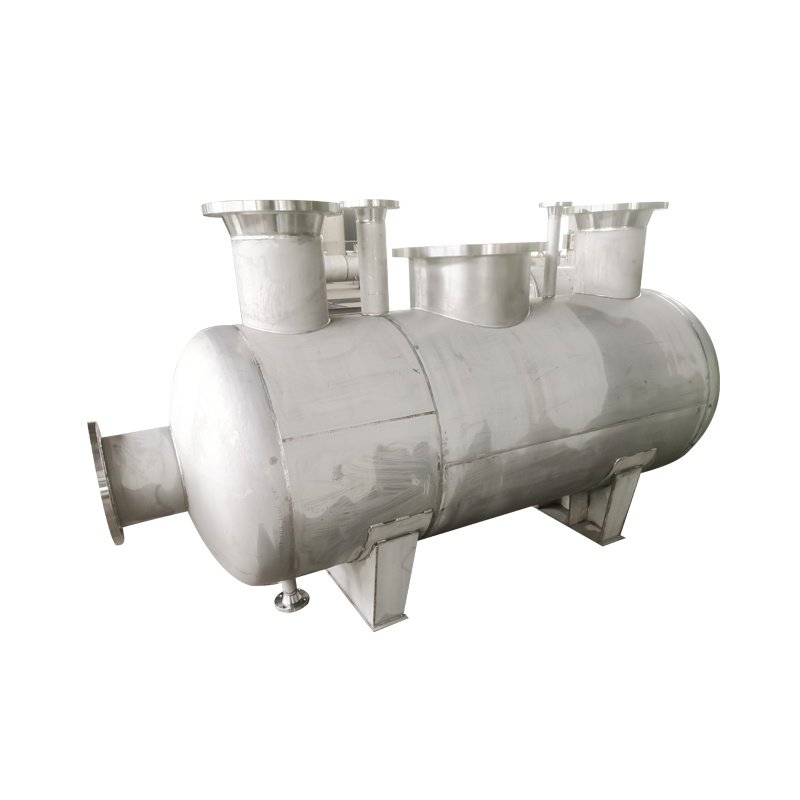
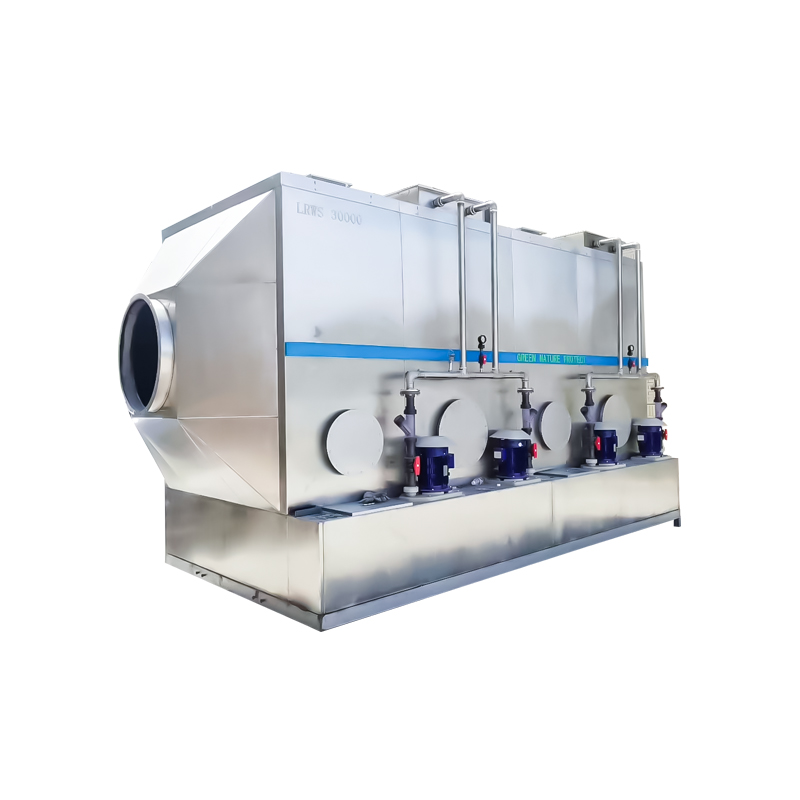
 Activated Carbon Adsorption System for VOC RemovalThis equipment uses porous activated carbon to capture moderate-concentration VOCs, with replaceable carbon beds and fan-driven airflow. It suits low-cost continuous treatment, especially where humidity and pre-filtration are managed carefully.View Product →
Carbon vessel design also matters. Drawer-type or side-access units allow faster media replacement, which reduces labor during maintenance. If the process runs continuously, install a second vessel in series or parallel so one bed can be changed without stopping the line. Carbon consumption is one of the largest operating costs in an adsorption system, so calculate the expected replacement interval before you buy. Learn how to calculate activated carbon service life before your first purchase.
Do not let the simplicity of adsorption hide the engineering requirements. The housing must be sealed, the airflow must be evenly distributed across the bed, and the pressure drop must match the fan curve. These details decide whether the system meets the emission limit after three months or fails by the end of the first production cycle.
Catalytic combustion is justified when the VOC concentration is high enough to sustain oxidation and the operation is continuous enough to pay back the energy and maintenance costs. The catalyst lowers the oxidation temperature to roughly 250-350°C, which is far below the 800°C often needed in thermal oxidation. That saves fuel and reduces the cost of high-temperature materials. However, the catalyst is sensitive to sulfur, chlorine, silicone, and particulate matter. Those contaminants must be removed before the gas reaches the catalyst bed.
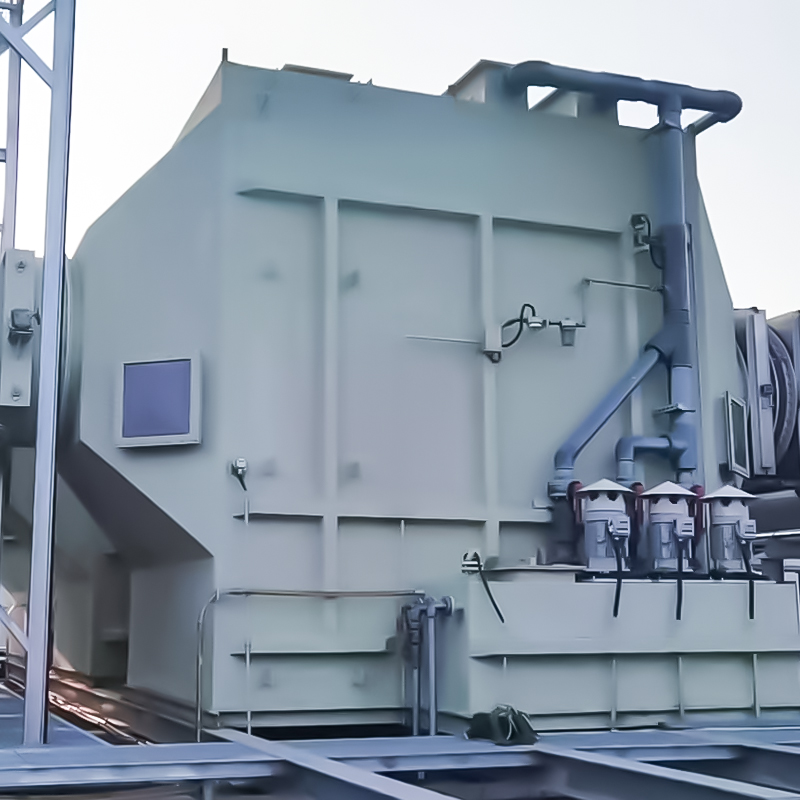
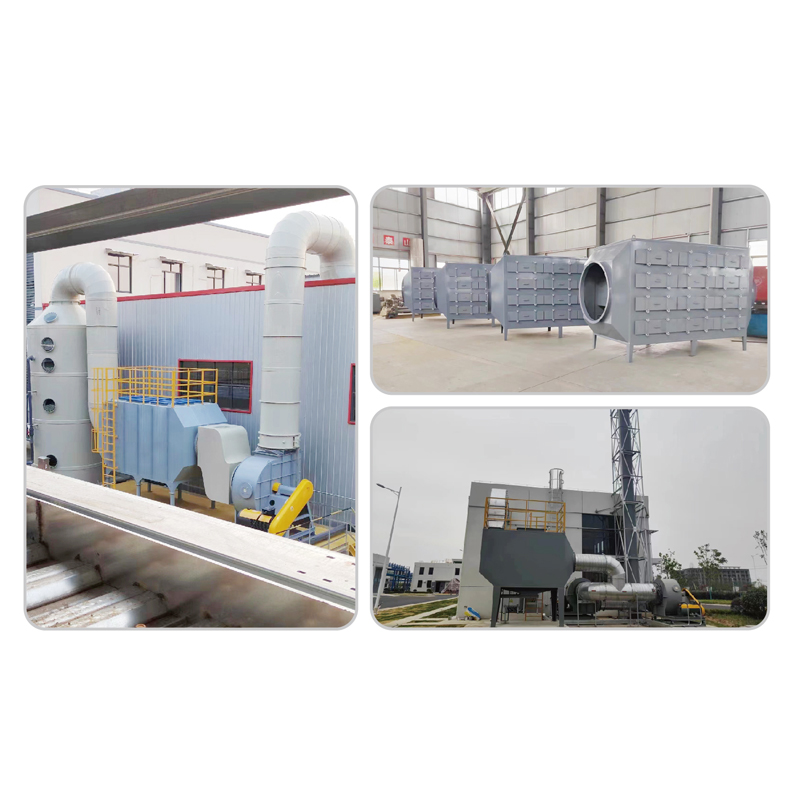
 Catalytic Combustion Unit for High-Concentration VOCsA catalytic oxidation system designed for steady, high-load VOC streams. It lowers oxidation temperature to reduce fuel use, but requires careful contaminant removal and safety interlocks to protect the catalyst and maintain stable operation.View Product →
Safety controls are not optional. The inlet concentration should stay well below 25% of the lower explosive limit, and the system needs temperature monitoring, interlock logic, and a clear purging sequence before start-up. Ask for the LEL solvent concentration equivalent used in the design. A supplier that cannot state this number clearly has not fully engineered the unit for your stream.
Operating cost can still be moderate if the process uses heat exchangers to preheat incoming exhaust with clean, hot outlet gas. In a stable production line, catalytic combustion is one of the more reliable ways to convert VOCs into carbon dioxide and water rather than transferring them to another phase.
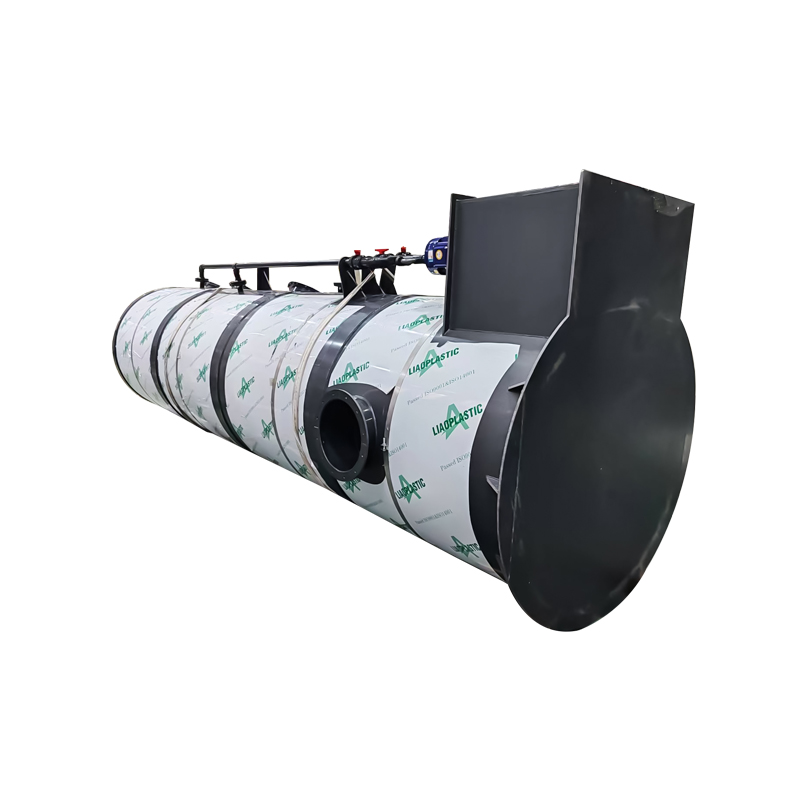
Biological treatment is a strong candidate when the gas stream is humid, contains biodegradable compounds, and has a relatively steady concentration. The technology uses microorganisms attached to a packing material to break down VOCs and odorous compounds. It consumes less energy than combustion and does not require regular media replacement the way activated carbon does.
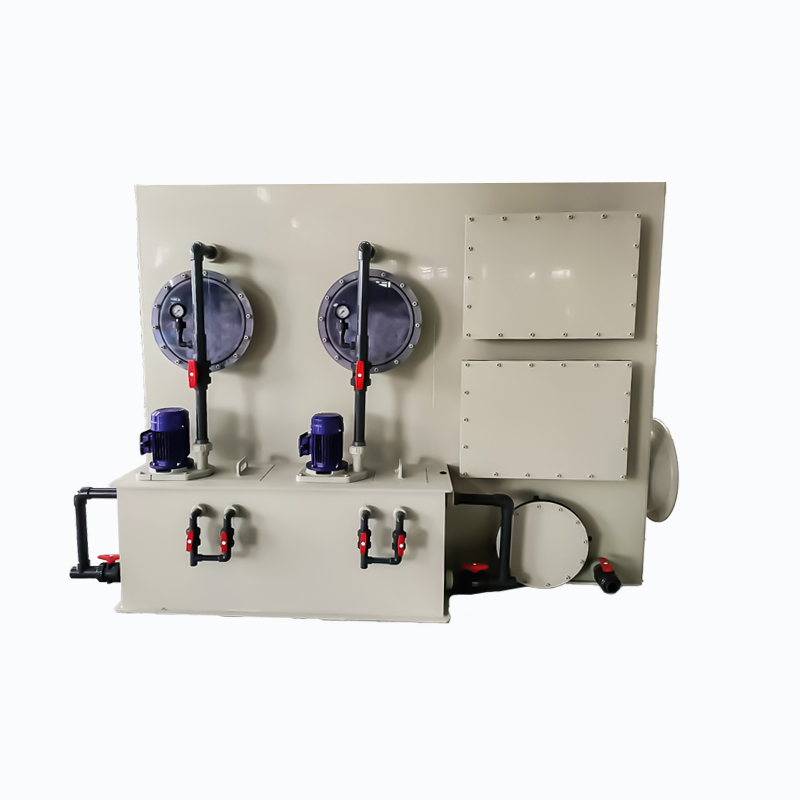
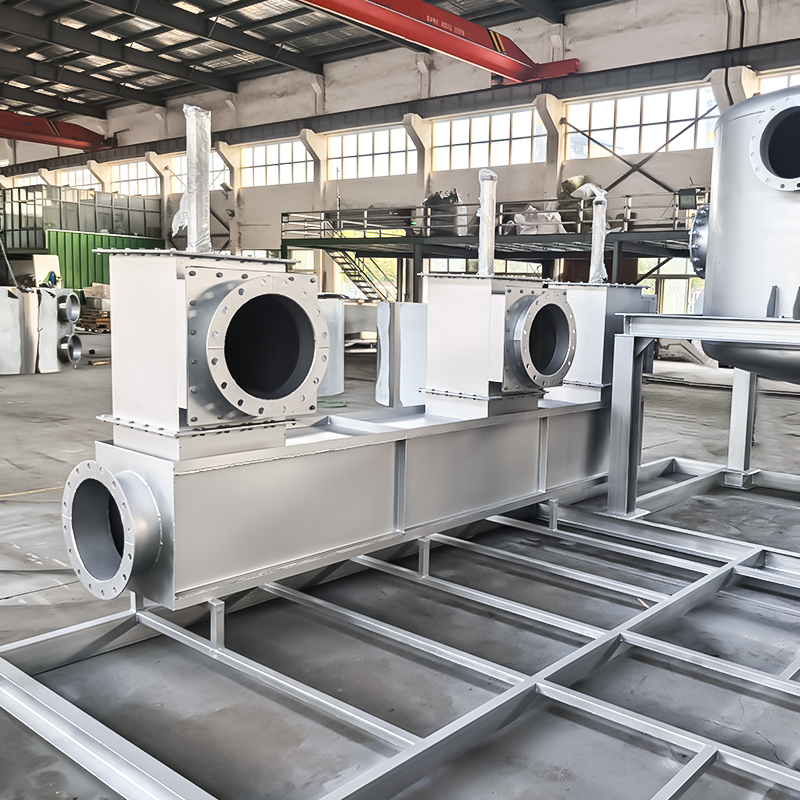
 Biological Drip Filtration Deodorizer for Humid Gas StreamsThis combined washing and biofilter system degrades odorous compounds using microorganisms on packing media. It handles humid, biodegradable gases with low energy use and minimal secondary waste, making it suitable for steady concentration streams.View Product →
Biological systems have limits. They respond slowly to sudden changes in composition and need time to acclimate after shutdown or during start-up. They are not ideal for batch processes that use a completely different solvent every week. They also need humidity control and nutrient balance. In the right application, however, biological treatment provides stable removal with low chemical consumption and minimal secondary waste.
After choosing the treatment principle, select materials based on corrosivity, temperature, and solvent compatibility. Halogenated VOCs can form acidic by-products during oxidation, so downstream ductwork may need corrosion-resistant construction. Wet scrubbers and biological units often use PP, PVC, or FRP because these materials handle moisture and corrosive gases well. Hot, reactive streams may require 304 or 316L stainless steel, while dry and clean systems can use coated carbon steel.
A single material choice can determine whether the equipment lasts ten years or starts leaking after two. Inspect the wetted parts before installation. If the system includes a scrubber upstream of an adsorber, ensure the carryover droplets cannot saturate the carbon bed. The interface between processes is just as important as the equipment itself.
An undersized fan makes perfect treatment equipment ineffective. Adsorption beds, catalyst housings, and wet sections all add resistance, and the fan must overcome that resistance at the design flow. A fan selected from table data alone may run too close to surge or too far from its best efficiency point. For a complete system, ask for a fan curve overlaid on the system curve and verify the operating point.
Ductwork is also part of the waste gas treatment equipment. Leaking flanges or corroded elbows allow fugitive emissions and reduce the amount of gas reaching the treatment unit. When the same manufacturer supplies the fan, duct, scrubber, and controls, the interface problem disappears because one team is accountable for the total performance. This is where treatment design efficiency becomes measurable in the field.
Use the following checks when comparing organic waste gas treatment equipment suppliers:
A manufacturer that builds both the treatment equipment and the supporting fan and ductwork can usually respond faster to such requests. The goal is not to collect product brochures; it is to get a system with a single point of responsibility.
Keep the end goal in mind: continuous compliance at a predictable operating cost. A good supplier asks you to provide the exhaust profile and then develops a process flowchart before quoting. A weak one quotes a standard box after a short phone call. In organic waste gas treatment, the equipment that fits the stream is the equipment that lasts.
Request for a call today