English
 русский
 عربى
 中文简体
Dust Collector Equipment: Applications, Selection Criteria, and Practical Guidance
HOME / NEWS / Industry News / Dust Collector Equipment: Applications, Selection Criteria, and Practical Guidance

Content
A metal fabrication shop called us with a problem that is easy to recognize and harder to fix than it looks. Dust was settling on overhead structural steel two weeks after every cleaning. Their existing baghouse met its rated airflow, but the dust from the grinding and polishing lines was fine, slightly hygroscopic, and released in short surges. The collector was the right category but the wrong match for the duty. That is the conclusion to carry into any purchase: dust collector equipment only performs when its collection mechanism, filter media, airflow capacity, and construction materials are matched to the actual particles the process generates. A collector is never a standalone appliance. It is the center of a system that includes capture hoods, ductwork, a fan, and a discharge mechanism, and every component has to be sized together.
Every dust collection system moves air through four stages, and the collector at the center only performs as well as the stages around it.
Each stage contributes its own pressure drop and its own failure modes, so a change in the process, such as adding a grinding station or increasing production rate, shifts the balance across all four stages. That is why upgrading a collector onto an existing duct system often disappoints: the real bottleneck may be in the hoods, the duct, or the fan, not in the filter.
Dust collector equipment divides into four families: mechanical, filter, wet, and electrostatic. Each captures particles differently, and each fits a different set of dust properties.
Mechanical collectors, mostly cyclones, use centrifugal force to throw particles against the wall of a cylindrical body, where they fall into a hopper. They are simple, rugged, and tolerant of abrasive dust, but collection efficiency falls off quickly below roughly 5 to 10 microns. In practice, cyclones work best as pre-cleaners ahead of a baghouse, cartridge collector, or wet scrubber, protecting the final-stage media from excessive dust load.
Filter collectors are the most common type of dust collector equipment in industrial plants, and for good reason: they combine high collection efficiency with manageable operating cost. Air passes through fabric or pleated media, particles are retained, and a pulse-jet or reverse-air cleaning cycle removes the cake while the system keeps running.
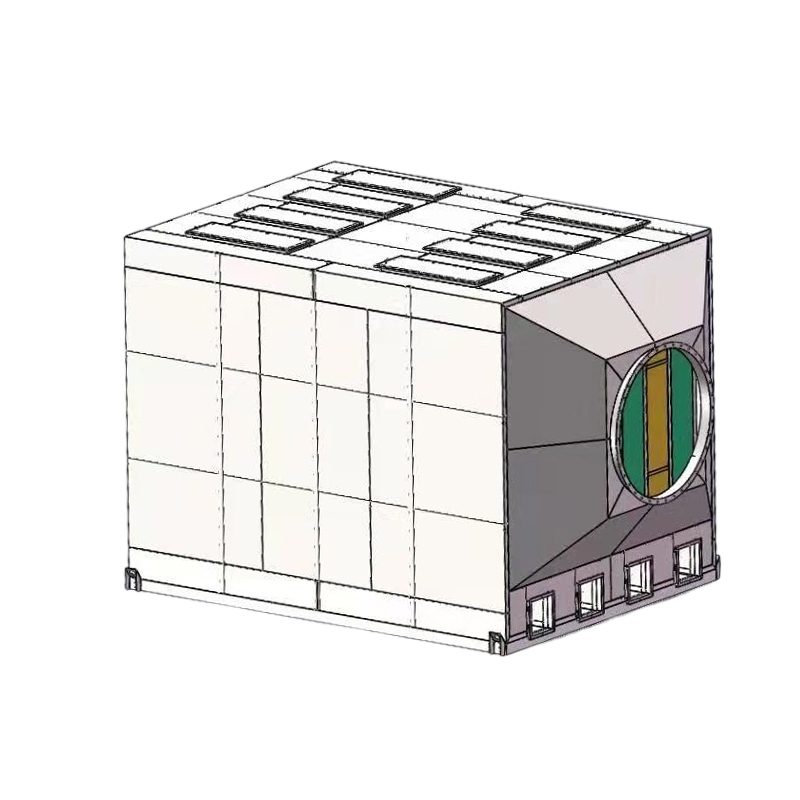
A baghouse uses long cylindrical bags. Depending on the media, it can handle a wide temperature range: polyester is practical up to roughly 130 °C, while fiberglass and PTFE media extend well beyond that. Baghouses tolerate moderate to heavy dust loads and are the default choice for grinding, welding, polishing, and material handling.
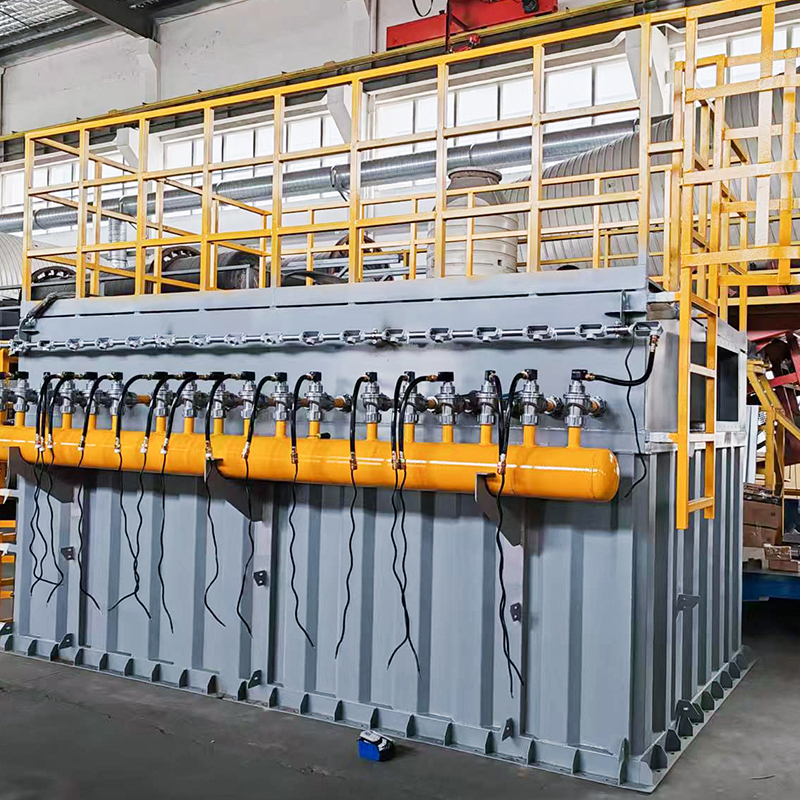 Pulse Jet Baghouse Dust Collector for Dry, Fine DustThis dry-type baghouse handles fine, non-ffibrous dust across industries like steel, foundries, and power plants. Its woven or felt filter bags suit moderate to heavy loads, making it a reliable default for grinding and material handling.View Product →
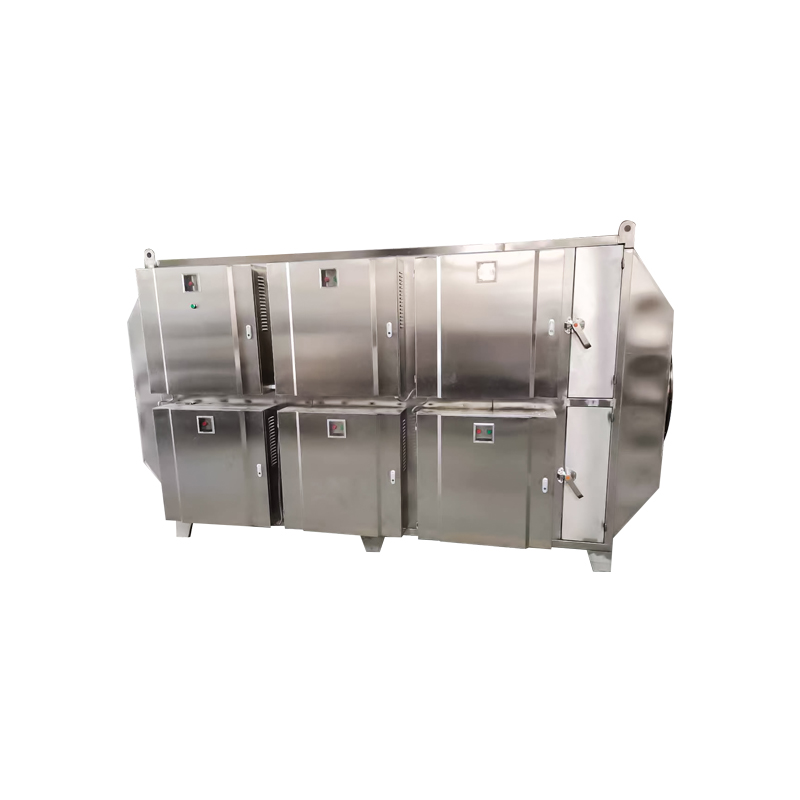
A cartridge collector uses pleated elements in a compact housing. The pleats multiply the available filtration area, so a cartridge machine fits more media into a much smaller footprint and achieves very high efficiency on fine and submicron dust. The tradeoff is that the media is more sensitive to moisture, oil mist, sparks, and abrasive particles, all of which can blind or erode the elements ahead of schedule.
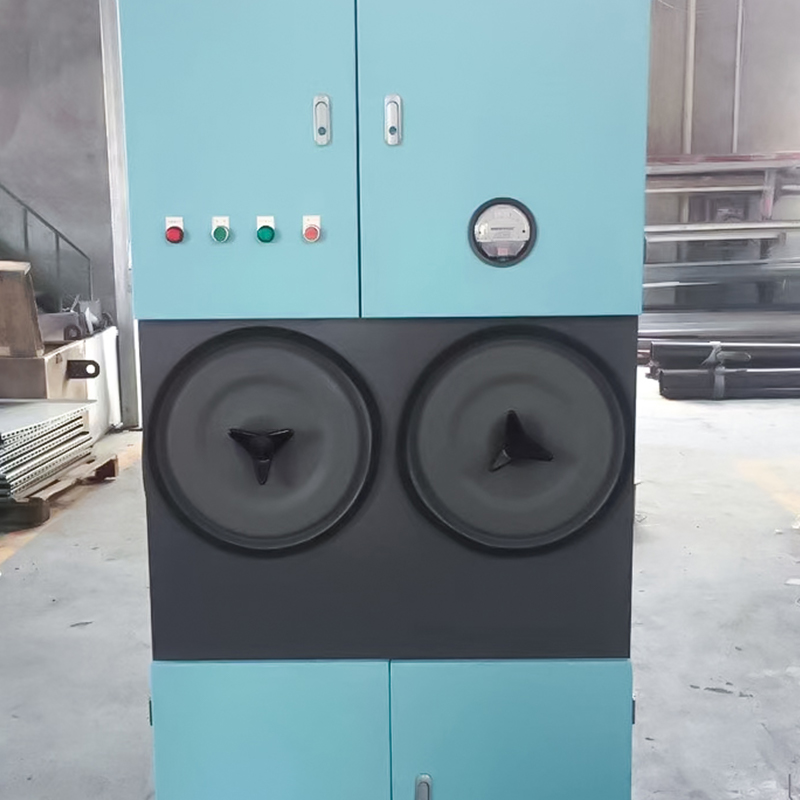 Cartridge Dust Collector with Pleated Filter ElementsPleated cartridges pack more media into a compact footprint, achieving high efficiency on fine and submicron dust. Ideal where space is limited, but sensitive to moisture, oil mist, sparks, and abrasives, so consider operating conditions carefully.View Product →
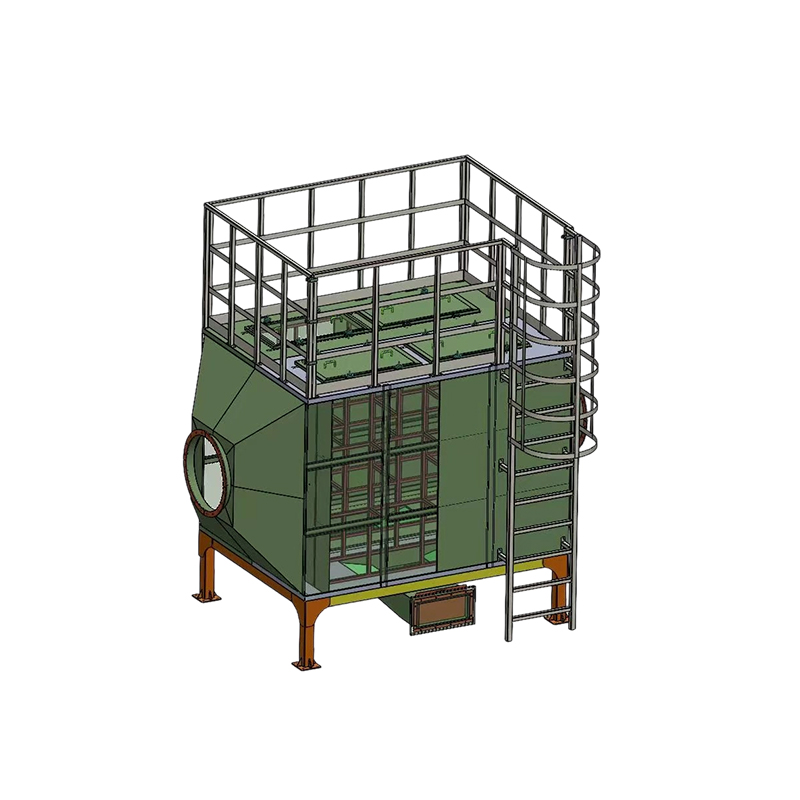
Wet collectors scrub dust from the gas stream with water or another liquid. They are a strong option for combustible metal dusts, sticky or hygroscopic dusts, and processes where a liquid treatment stage already exists downstream. The tradeoffs are real: water treatment, sludge handling, and the need for corrosion-resistant construction.
An electrostatic precipitator charges particles in a high-voltage field and collects them on oppositely charged plates, achieving very high efficiency on submicron particles with low pressure drop. This makes ESPs attractive for very large gas volumes in industries such as power generation, cement, and metallurgy. The tradeoffs are higher capital cost, a larger footprint, and more demanding maintenance. Most plants facing a conventional dust problem should verify that a properly designed filter or wet collector cannot meet the duty before moving to an ESP.
| Type | Collection Mechanism | Effective Particle Range | Strengths | Limitations |
|---|---|---|---|---|
| Mechanical (cyclone) | Centrifugal force | Above 10 microns | Rugged, low cost, handles abrasive dust | Efficiency drops below 5 microns |
| Baghouse | Fabric bags with pulse cleaning | 0.5-10 microns | High efficiency, wide media options, handles heavy loads | Media temperature limits, bag replacement |
| Cartridge collector | Pleated media | 0.3-5 microns | Compact footprint, very high fine-dust efficiency | Media sensitive to moisture and abrasion |
| Wet scrubber | Liquid capture | 0.5-10 microns | Safe for combustible dust, handles sticky dust | Water treatment, sludge, corrosion |
| Electrostatic precipitator | Electrostatic charge | 0.01-1 micron | Very high fine-particle efficiency, low pressure drop | High capital cost, complex maintenance |
The fastest way to narrow the equipment options is to characterize the dust before comparing machines. Four properties drive the decision:
Writing these four characteristics down before talking to suppliers makes the selection process substantially faster and less dependent on price comparisons. Plants that skip this step usually buy on airflow and price, which is how mismatches like the one at the fabrication shop come about. If you are at that stage, our guide on how to choose the right dust collector equipment walks through the same decision logic in more detail.
A collector that suits the dust can still perform poorly if the fan is undersized or the duct layout creates dead zones. Of all the peripheral components, the fan is the most consequential: it must deliver the required air volume at every hood while overcoming the pressure loss of the hoods, the duct, the collector housing, and the filter media. For typical industrial dust, duct velocity should stay above roughly 18 m/s, and higher, around 20 to 25 m/s, for heavy or abrasive material, to keep particles from settling in horizontal runs.
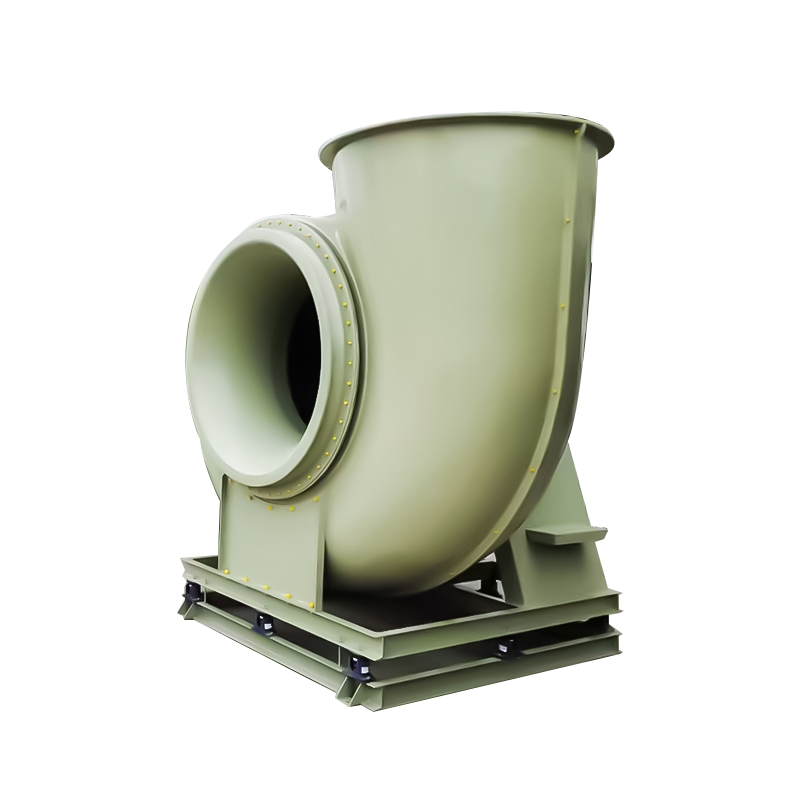
 Carbon Steel Centrifugal Fan for Dust Collection SystemsThis centrifugal fan delivers the static pressure needed to overcome duct and filter resistance. Placed after the collector, it handles filtered air, extending impeller life. Suitable for high-pressure, high-airflow, and abrasive applications.View Product →
Centrifugal fans are the standard duty for dust collection because they develop the static pressure that ductwork and media demand. For most installations, the fan is placed after the collector so it handles filtered air rather than abrasive dust-laden air, which also extends impeller life.
The purchase price of dust collector equipment is the smallest part of its lifetime cost. Fan energy, filter media, and downtime dominate, and all three are locked in by design decisions made before the purchase.
The equipment type matters less than the logic around it. Define the dust, size the entire air path from hood to stack, and choose a collector whose media, cleaning mechanism, and materials suit the duty. When those steps are done in order, the equipment becomes a predictable part of the operation. When they are skipped, the same equipment becomes a source of maintenance and compliance risk regardless of brand or price. Start by putting the dust on a lab bench: measure particle size, moisture, temperature, and combustibility, then work through the system one stage at a time. Once the dust characteristics are clear, discuss the options with an application engineer before finalizing the specification.
Request for a call today